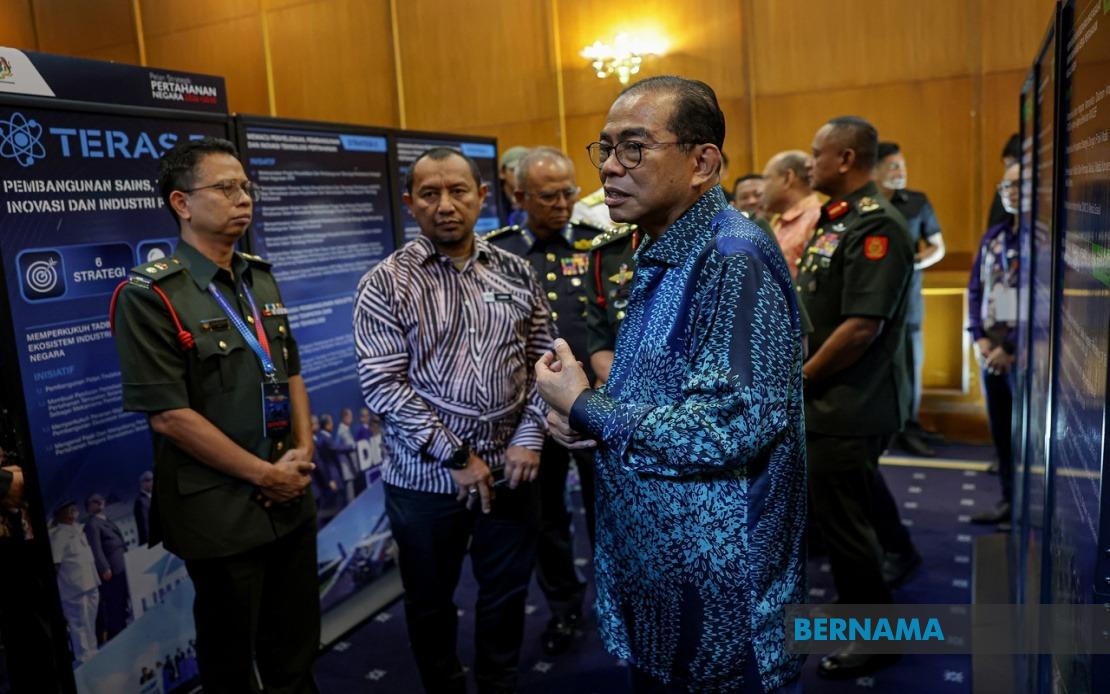
Malaysia is mobilising diplomatic channels to address a significant financial liability arising from the termination of its agreement to procure the Naval Strike Missile system from Norway's Kongsberg Defence & Aerospace AS. Defence Minister Datuk Seri Mohamed Khaled Nordin disclosed that both the Defence and Foreign Ministries have formally communicated Malaysia's position and intended strategy to the Norwegian government, signalling a structured approach to what represents a potentially costly dispute for the country's defence budget.
The cancellation of the NSM procurement arrangement triggered compensation claims that Malaysia must now navigate carefully, balancing its financial obligations against its strategic interests and fiscal constraints. By engaging the Norwegian government as a facilitator, Malaysia is leveraging bilateral diplomatic relationships to encourage the contractor to reach a negotiated settlement. This approach reflects recognition that direct negotiation between Malaysia's Defence Ministry and Kongsberg Defence & Aerospace may benefit from third-party mediation, particularly when the contractor's home government becomes involved in facilitating discussions.
The minister emphasised Malaysia's commitment to resolving the matter by ensuring proper notification protocols were followed from the outset. His statement underscores that the government recognises the urgency and importance of addressing the claim expeditiously, rather than allowing the dispute to escalate or create longer-term friction in Malaysia-Norway relations. The Foreign Ministry's formal request for Norway to assume a mediating role represents a calculated diplomatic move, transforming what could become an adversarial legal dispute into a negotiated resolution framework.
This dispute emerged at a time when Malaysia is actively refreshing its defence strategy through the newly launched National Defence Strategic Plan and Defence Capability Blueprint 2026-2030, launched alongside the minister's statement. The timing highlights how legacy defence procurement decisions continue to consume resources and political attention even after contracts are terminated. The cancellation likely reflected shifting strategic priorities, budget constraints, or changed operational requirements, yet the financial consequences persist and demand resolution.
The Parliamentary Public Accounts Committee has already weighed in on the matter, receiving a special briefing from the Defence Ministry and subsequently urging the government to strengthen both mitigation and diplomatic efforts. The PAC's intervention suggests parliamentary concern about the magnitude of the potential compensation liability and its implications for national finances. The committee's emphasis on safeguarding Malaysia's fiscal sovereignty while pursuing fair resolution acknowledges the tension between defending the country's interests and avoiding protracted, costly litigation.
Compensation disputes arising from defence contract cancellations are notoriously complex, often involving technical disputes about contractual obligations, the legitimacy of termination grounds, and calculations of damages. The Naval Strike Missile system represented significant defence procurement expenditure, and proportionate compensation claims could amount to millions of ringgit or more. For Malaysia, a developing economy managing multiple defence modernisation priorities, such unplanned liabilities can strain resources allocated to active programmes and operations.
The involvement of Norway's government signals that both nations recognise the relationship's broader strategic importance and that preserving bilateral ties takes precedence over escalating conflict over a single contract. Norway, as a NATO ally with substantial defence industry interests, has incentives to support orderly resolution that protects its contractor's reputation while demonstrating reasonableness to other potential customers in Southeast Asia and elsewhere. From Malaysia's perspective, maintaining cordial relations with Norway and respecting its mediation efforts could yield more favourable settlement terms than adversarial litigation would provide.
Defence Minister Tan Sri Malek Razak Sulaiman's presence at the strategic plan launch alongside Defence Minister Mohamed Khaled Nordin reflects the high-level attention this matter commands within Malaysia's defence establishment. The Chief of Defence Force's participation signals that the compensation dispute is understood as affecting broader defence capability and modernisation objectives. The strategic context matters: as Malaysia develops comprehensive defence planning for 2026-2030, unresolved liabilities from previous decisions must be cleared from the balance sheet to enable confident commitment to new procurement initiatives.
Southeast Asian defence procurement frequently involves contracts with European suppliers, and Malaysia's experience with the NSM cancellation will be observed by regional neighbours facing similar decisions about foreign defence acquisitions. The way Malaysia manages this dispute—whether through expensive litigation, negotiated settlement, or compromise—could influence how other nations in the region approach their own defence supplier relationships and contractual dispute resolution. A protracted, acrimonious dispute might discourage other Southeast Asian nations from engaging European defence contractors, whereas a professional resolution might reinforce confidence in orderly commercial relationships.
The government's commitment to utilising diplomatic mechanisms rather than immediately pursuing arbitration or litigation suggests confidence in negotiating a reasonable outcome. Such an approach typically yields faster resolutions and lower legal costs than formal dispute procedures, though it requires both parties to demonstrate flexibility. For Malaysia, the strategic calculus likely favours reaching settlement within reasonable parameters rather than pursuing a lengthy international legal battle that could occupy senior defence officials' attention for years while the compensation claim remains unresolved.
Moving forward, the success of Malaysia's approach will depend on several factors: Norway's willingness to actively mediate, Kongsberg Defence & Aerospace's openness to settlement negotiations, and the flexibility both sides demonstrate regarding acceptable compensation figures. The Defence Ministry's public framing of the effort as one pursued through proper diplomatic channels and with genuine commitment to resolution may constrain Malaysia's negotiating position somewhat, yet it also demonstrates seriousness and good faith that could encourage reciprocal reasonableness from the Norwegian side.
The broader implication for Malaysian defence policy is that contract terminations, however strategically justified, carry financial and diplomatic consequences that demand careful management. As Malaysia continues modernising its armed forces and selectively engaging international defence suppliers, learning from this experience will prove invaluable for structuring future contracts in ways that minimise disputes and provide clearer exit mechanisms if requirements change.

