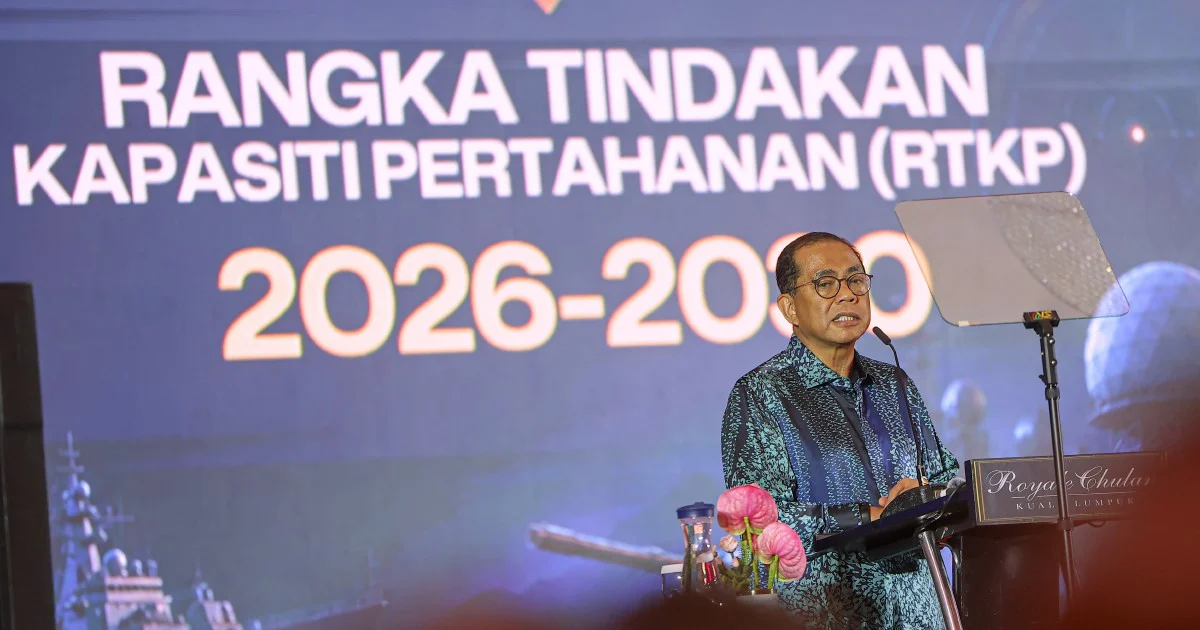
Malaysia's Defence Ministry has signalled its commitment to resolving the complications arising from Norway's decision to revoke its missile supply agreement for the country's Littoral Combat Ship programme, according to Defence Minister Datuk Seri Mohamed Khaled Nordin. The statement represents an important acknowledgement of the diplomatic complexity surrounding a defence acquisition that has encountered multiple procurement obstacles over recent years.
The Littoral Combat Ship initiative represents a substantial defence investment intended to modernise Malaysia's naval capabilities and strengthen the country's maritime security posture across the Straits of Malacca and the South China Sea. The programme has already faced considerable delays and cost escalations since its initial conception, making the Norwegian missile contract termination yet another setback for a project that remains critical to Malaysia's long-term defence architecture. The LCS programme comprises multiple vessels designed to conduct coastal operations and provide flexible maritime response capabilities.
Norway's decision to cancel the missile supply component reflects broader geopolitical tensions and international arms control considerations. Norway, a member of NATO and the European Union, operates under strict export control regulations governing military technology transfers. The cancellation signals either a reassessment of political conditions surrounding the sale or compliance concerns related to international weapons transfer frameworks that Norway must navigate as a Western alliance member.
For Malaysia, the termination creates immediate operational challenges. The LCS vessels require compatible missile systems to fulfil their intended roles in territorial defence and maritime operations. The search for alternative suppliers introduces both cost implications and timeline uncertainties, potentially extending a project that has already tested government patience and public scrutiny. The defence sector's ability to deliver modern capabilities within realistic budgets and timeframes remains a persistent concern in Malaysian defence policy discussions.
The Defence Minister's statement, while expressing willingness to engage constructively, reflects the diplomatic delicacy required when addressing international defence contracts. Dialogue with Norway offers potential pathways to clarify the cancellation rationale and explore whether conditions exist that might restore the commercial relationship. Such negotiations typically involve technical assessments, political discussions, and potentially revised contract terms that address Norway's specific concerns.
Malaysia's regional defence environment adds urgency to resolving such procurement disruptions. As Southeast Asia confronts rising maritime tensions and geopolitical competition, naval modernisation programmes directly affect a nation's capacity to protect shipping lanes, maritime resources, and territorial integrity. The LCS initiative directly supports Malaysia's ability to maintain effective maritime surveillance and response across strategically vital waters where commercial and security interests intersect.
The broader context of Malaysian defence procurement illustrates recurring challenges in acquiring sophisticated military systems from international suppliers. Budget constraints, technology transfer limitations, domestic political considerations, and shifting international relationships all influence the acquisition landscape. Successfully navigating these complexities requires sustained diplomatic engagement, technical expertise, and strategic patience—resources that defence ministries must carefully allocate across multiple competing priorities.
Engagement with Norway also carries implications for Malaysia's relationship with Western defence suppliers more generally. NATO and European Union countries provide significant portions of sophisticated defence technology available to Asian nations operating outside the Russian and Chinese spheres. Maintaining productive relationships with Western suppliers requires respecting their export control frameworks while advocating for Malaysian security needs and demonstrating reliable stewardship of transferred technologies.
The alternative sourcing question presents both challenges and opportunities. Malaysia might pursue missile systems from other established defence manufacturers, potentially offering greater flexibility or favourable commercial terms. However, introducing new systems requires integration work, training protocols, and supply chain development—all introducing additional costs and delays beyond the Norwegian contract termination itself.
Malaysia's stated readiness to resolve the Norwegian dispute suggests a preference for diplomatic solutions rather than escalating grievances or pursuing contentious dispute mechanisms. This approach reflects pragmatism: maintaining constructive relationships with capable defence suppliers offers long-term advantages that outweigh the costs of temporary setbacks. Such patience, when combined with clear advocacy for Malaysian interests, can yield productive outcomes in international defence negotiations.
The Defence Minister's remarks also implicitly signal Malaysia's determination to advance the LCS programme despite procurement complications. Public commitment to resolution sends reassuring messages to the Malaysian Navy and supporting defence industries that remain invested in the project's ultimate success. This continuity of political backing, even when facing external obstacles, proves essential for maintaining momentum and stakeholder confidence throughout extended defence acquisition cycles.
As Malaysia works toward resolution with Norway, the underlying importance of maritime capabilities remains evident. The Littoral Combat Ships will serve Malaysia's defence establishment for decades, potentially facing evolving threats and operational demands throughout their service lives. Ensuring these vessels receive appropriate weapons systems and maintaining supplier relationships that support long-term sustainment represents critical strategic planning that extends well beyond any individual contract dispute.

