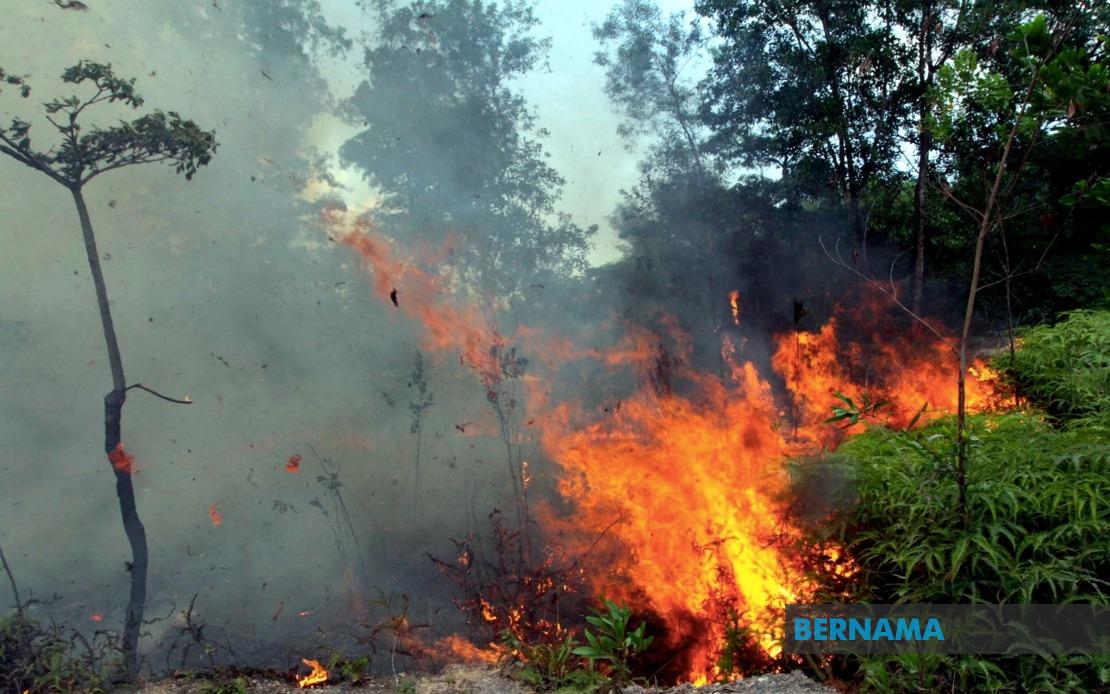
Malaysia is grappling with a sharp escalation in open burning incidents, with the Malaysian Fire and Rescue Department (JBPM) recording 18,432 cases from January through July this year—a dramatic increase from 9,941 cases during the equivalent period in 2023 and notably higher than the 16,294 incidents documented during the same months in 2024. The surge underscores mounting environmental and fire management challenges across the nation as climate patterns shift and land-clearing practices persist despite regulatory efforts.
Datuk Seri Nor Hisham Mohammad, JBPM's director-general, revealed the agency's proactive response to the escalating threat by intensifying surveillance of 183 locations identified as vulnerable to open burning based on historical data spanning five years. This systematic approach reflects growing recognition that reactive firefighting measures alone are insufficient to address the scale of the problem, particularly as fires increasingly involve forests, shrubland, and waste materials that can spread rapidly and consume vast areas.
The most alarming aspect of the current situation centres on 62 designated locations deemed at substantial risk of triggering large-scale conflagrations affecting more than 25 hectares. These zones present particular operational challenges for JBPM's firefighting teams, whose resource deployment capabilities are stretched thin when confronted with fires spanning such expansive areas. The department's explicit concern about mobilising sufficient personnel and equipment to these hotspots highlights systemic constraints in Malaysia's fire management infrastructure, even as demand intensifies.
Geographic distribution of burning incidents reveals worrying patterns across Malaysia's diverse regions. Sarawak currently experiences the most severe and frequent large-scale fires, with particular concentrations in districts including Sri Aman and Mukah, where dense vegetation and challenging terrain compound suppression difficulties. The Peninsular region, whilst recording numerous burning incidents, has generally experienced smaller-scale events. However, Sabah commands special vigilance from fire authorities due to its unique combination of dense vegetation types and mountainous topography that naturally facilitates rapid fire propagation and complicates containment operations.
Kota Kinabalu warrants particular attention within Sabah's fire management hierarchy, with seven major fire locations identified around the city during 2024. These zones figure prominently among JBPM's 62 highest-priority monitoring locations, suggesting that Sabah's capital region faces recurring fire episodes that demand sustained preventive and preparedness interventions. The concentration of high-risk areas in Sabah reflects both the state's ecological characteristics and patterns of land use that generate burning incidents at disproportionate rates compared to other Malaysian regions.
Meteorological conditions constitute a primary driver of the current burning surge. Nor Hisham identified elevated temperatures in specific areas as a fundamental contributing factor to the increased open burning incidents. Hot, dry conditions naturally amplify both the incidence of fires and their intensity once ignited, whether through negligence, deliberate land clearing, or agricultural practices. This climatic dimension carries implications extending beyond immediate firefighting demands, touching on broader environmental sustainability and climate adaptation challenges facing Malaysia and the region.
Perhaps most significantly, JBPM is preparing for anticipated weather disturbances linked to the Super El Niño phenomenon expected to manifest in the Pacific region beginning in November. Weather forecasting models suggest Malaysia will experience the meteorological effects of this climatic event during the third or fourth week of January next year. The department's early preparedness initiatives acknowledge that Super El Niño conditions typically generate prolonged dry periods and elevated temperatures across Southeast Asia, conditions that historically correlate with dramatic increases in forest fires and burning incidents. Malaysian authorities are effectively signalling that the current burning crisis may intensify further once Super El Niño effects take hold.
The implications for Malaysia are substantial and multi-dimensional. Immediate concerns centre on air quality degradation, particularly in regions downwind from active burning zones, with cross-border haze affecting neighbouring countries and imposing health costs across the region. The disruptions extend to aviation operations, public health systems managing respiratory complications, and economic productivity losses across multiple sectors. Beyond acute impacts, the prevalence of open burning contributes to long-term environmental degradation, biodiversity loss, and soil degradation that compromises future agricultural productivity and ecosystem services.
For Southeast Asia more broadly, Malaysia's burning crisis exemplifies transnational environmental challenges that demand coordinated regional responses. Haze from Malaysian fires regularly drifts across borders into Singapore, Brunei, and Indonesia, creating diplomatic tensions and public health emergencies beyond Malaysia's territorial jurisdiction. The pattern reflects how environmental degradation in one nation inevitably affects neighbours, necessitating collaborative prevention, monitoring, and suppression frameworks that transcend traditional national boundaries.
The JBPM's monitoring strategy targeting 183 vulnerable locations represents a shift toward evidence-based fire prevention rooted in historical patterns. By identifying zones prone to burning incidents and concentrating surveillance resources accordingly, authorities can theoretically intervene more effectively at earlier stages, preventing incidents from escalating into large-scale conflagrations. However, this preventive framework succeeds only if coupled with meaningful enforcement of open burning prohibitions, education campaigns discouraging deliberate burning, and economic incentives encouraging alternative land-management practices that eliminate burning entirely.
Longer-term solutions require addressing underlying drivers of open burning, including pressures on land holders to clear vegetation rapidly and economically, agricultural practices reliant on burning for pest management or land preparation, and inadequate penalties for violators relative to burning's convenience and cost-efficiency. Without addressing these fundamental drivers, even sophisticated monitoring systems may merely document escalating environmental crises rather than preventing them. The convergence of increased burning incidents, anticipated Super El Niño effects, and limited infrastructure for comprehensive suppression operations suggests Malaysia faces a critical juncture requiring urgent policy intervention and resource allocation to avert potentially catastrophic fire seasons.

