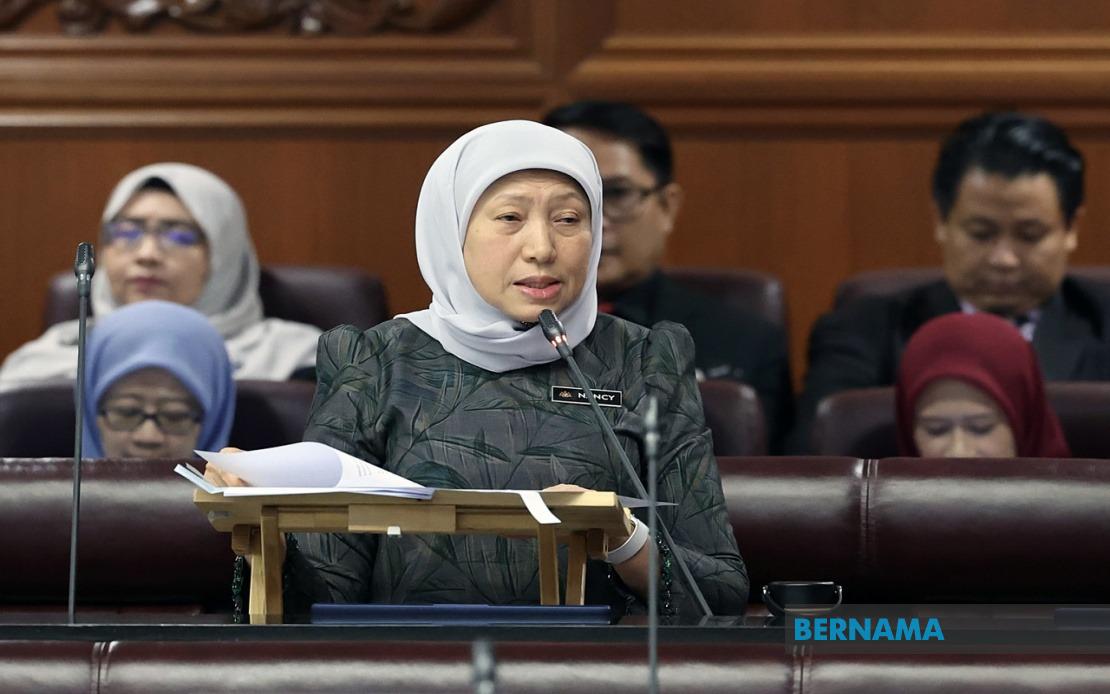
Malaysia has begun a comprehensive review of the Child Act 2001 (Act 611) in response to 159 recommendations issued by the United Nations Committee on the Rights of the Child (UNCRC). The initiative, announced by Minister Datuk Seri Nancy Shukri during a Dewan Negara session, marks a significant effort to modernise the country's legal framework governing child protection and align domestic legislation with international conventions on children's rights.
The recommendations from the UNCRC's Concluding Observations cover a broad spectrum of concerns affecting Malaysian children, extending beyond legislative amendments to encompass enhanced safeguarding mechanisms against exploitation and abuse, as well as more robust enforcement of existing child protection provisions. The scope of these suggestions indicates that the UN body identified gaps not only in the legal architecture but also in how Malaysia implements and operationalises its child welfare commitments on the ground.
Minister Shukri outlined that the ministry recognises the necessity of integrating UNCRC guidance into the ongoing legislative review process. The recommendations will be carefully examined to ensure they translate into concrete improvements in how the law protects vulnerable children, provides appropriate care and rehabilitation services, and ensures meaningful participation of young people in decisions affecting their lives. This approach reflects Malaysia's commitment to the principle of the best interests of the child, a cornerstone of international child rights jurisprudence.
Crucially, the review will adopt a collaborative, multi-agency framework rather than being confined to the Ministry of Women, Family and Community Development alone. This structural decision reflects an understanding that child protection transcends the mandate of any single government department. Effective safeguarding requires coordination across health, education, law enforcement, social services, and judicial systems. By involving relevant stakeholders from across government, the review process can identify systemic barriers and ensure that reforms address interconnected challenges.
The specific areas under examination reveal where Malaysia sees room for improvement. The ministry will scrutinise recommendations concerning child protection protocols and reporting mechanisms, which are essential for ensuring that instances of abuse reach authorities promptly and are handled with appropriate sensitivity and expertise. The review will also examine child court procedures to determine whether current processes adequately protect children's dignity and psychological wellbeing during legal proceedings involving them as victims or witnesses.
Family and community-based care provisions represent another focus area, reflecting international recognition that institutional care should be a last resort and that children thrive best within supportive family or community environments. Similarly, rehabilitation and follow-up support mechanisms will receive attention, acknowledging that recovery from trauma or involvement in the justice system requires sustained, tailored intervention rather than one-off interventions.
The review will also clarify and potentially restructure the roles of parents, guardians, and relevant government agencies in child welfare matters. This examination of institutional responsibilities is particularly important in Malaysia's context, where the intersection of federal and state jurisdictions, as well as varying capacities across different agencies, can sometimes create confusion about accountability and coordination.
A critical component involves strengthening mechanisms for cross-agency collaboration and improving how different government bodies respond to child welfare concerns. In practice, this means establishing clearer communication pathways between schools, hospitals, police, and child protection officers, as well as developing shared training standards and case management protocols. Enhanced responsiveness—making sure that interventions reach children in need quickly and effectively—depends on these operational improvements.
For Malaysian children and families, the implications of this review process are substantial. A modernised Child Act 2001 could better address contemporary challenges such as online exploitation, trafficking, child labour in informal sectors, and protection of refugee and migrant children. It may also introduce stronger provisions regarding children's right to expression, access to justice, and participation in decisions affecting them, moving beyond a purely protective paradigm to one that respects children's agency.
The timing of this review also reflects Malaysia's engagement with global child rights frameworks. As a signatory to the Convention on the Rights of the Child and subject to periodic UNCRC scrutiny, Malaysia's legislative reforms signal the government's willingness to measure itself against international benchmarks. However, the real test will lie in implementation—whether new or amended provisions translate into tangible improvements in how Malaysian institutions detect, prevent, and respond to threats to child safety and wellbeing.
The multi-agency approach signals that Malaysia recognises child protection as a cross-cutting governance issue rather than a narrow legislative matter. This perspective aligns with contemporary best practices in jurisdictions that have successfully improved child safety outcomes. However, coordinated implementation requires robust inter-agency memoranda of understanding, adequate resourcing, and sustained political commitment beyond the review phase.
For Southeast Asia more broadly, Malaysia's systematic engagement with UNCRC recommendations could influence regional approaches to child protection. The region contains significant numbers of vulnerable children affected by poverty, trafficking, and displacement, and stronger legal and institutional frameworks in one country can set standards and demonstrate feasible approaches that others might adapt.
The success of this initiative will ultimately be measured not by the comprehensiveness of legislative amendments alone, but by whether children in Malaysia experience tangible improvements in protection, access to justice, and opportunities to develop safely and realise their potential. The UNCRC recommendations provide a roadmap; the challenge now lies in translating that guidance into effective governance and service delivery that reaches every vulnerable child.

