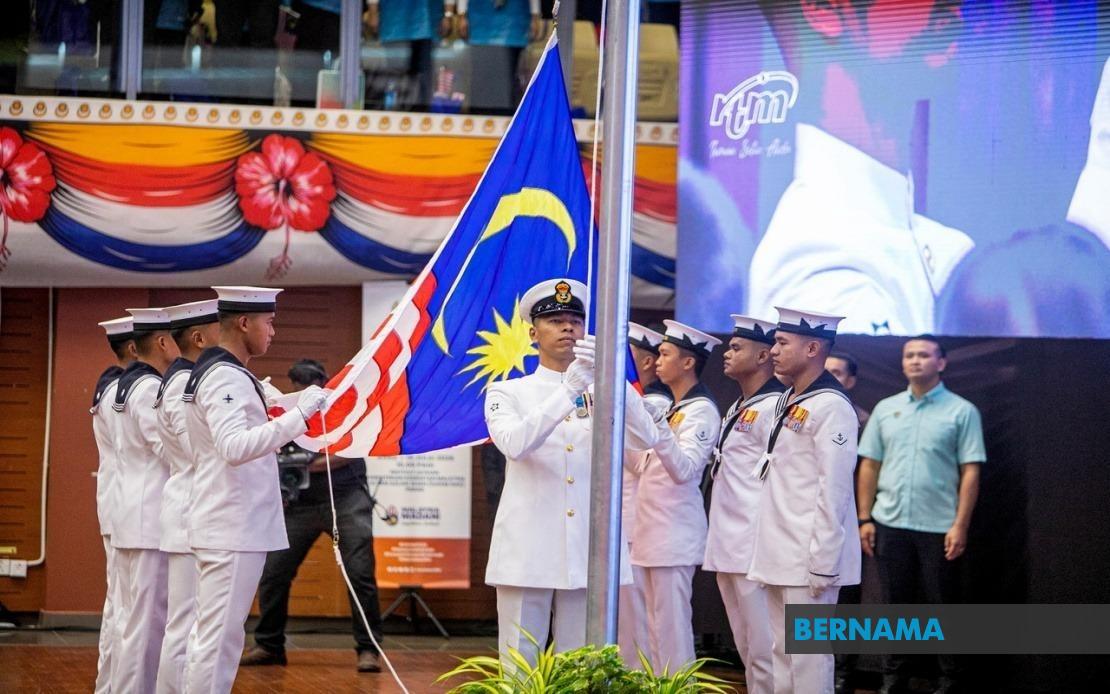
Malaysia has resumed the symbolic Jalur Gemilang raising ceremony as the centrepiece of the 2026 National Month campaign launch, marking a return to the patriotic tradition after a two-year absence. The ceremony took place at the Sultan Azlan Shah Ministry of Health Training Institute in Tanjung Rambutan, Ipoh, where Prime Minister Datuk Seri Anwar Ibrahim presided over proceedings on July 19 to officially commence the nationwide Fly the Jalur Gemilang initiative.
The revival of this ceremonial practice signals a renewed emphasis on national unity and patriotic expression as Malaysia approaches its dual national celebrations in the coming months. The ceremony underscores the government's commitment to rekindling traditional observances that strengthen Malaysians' connection to their national identity, particularly during the significant countdown to National Day on August 31 and Malaysia Day on September 16.
As the centrepiece of the event, a nine-member Royal Malaysian Navy team from the Lumut Base, led by Chief Petty Officer Mohamad Razif Aliff Md Yusof, received the national flag from Prime Minister Anwar in a symbolic handover gesture. This transfer represented the formal commencement of the nationwide campaign, with the military contingent hoisting the Jalur Gemilang—measuring 1.82 metres by 3.65 metres—while the national anthem Negaraku played, creating a solemn moment that encapsulated the ceremonial nature of the occasion.
The Jalur Gemilang raising ceremony holds deep significance in Malaysia's national traditions, functioning not merely as a procedural observance but as a unifying moment that brings public attention to themes of national pride and collective identity. The decision to restore this practice after the two-year hiatus reflects a broader governmental strategy to reinvigorate such ceremonies as mechanisms for fostering patriotism and social cohesion across the diverse Malaysian population.
Following the flag-raising, ILKKM SAS trainee Muhammad Ammar Mohd Asri recited the Rukun Negara pledge, reinforcing the constitutional and philosophical foundations upon which the nation stands. Guests maintained respectful posture throughout the proceedings, standing as the national anthem was sung—a symbolic gesture that reflected the ceremony's intent to cultivate patriotic sentiment and underscore citizens' relationship with national institutions and symbols.
The Fly the Jalur Gemilang campaign encourages Malaysians to display the national flag prominently throughout the National Month, transforming public and private spaces into visible expressions of national unity. This grassroots dimension of the campaign extends beyond ceremonial formalities, inviting ordinary Malaysians to participate actively in demonstrating their patriotic commitment through tangible displays of the flag.
Adding a cultural dimension to the celebrations, singer and composer Faizal Tahir unveiled "Aku Berjanji" as the official theme song for the 2026 National Day and Malaysia Day festivities. The song became available for public download through the Merdeka360 portal from midday on July 19, providing Malaysians with a contemporary cultural expression that complements the traditional ceremonial elements of the national celebration.
The National Month and Fly the Jalur Gemilang campaign represents an annual juncture where Malaysia consolidates its national narrative through coordinated patriotic programming and public engagement. The campaign's annual recurrence creates predictability and anticipation, allowing citizens and institutions to prepare meaningful contributions to the broader celebration of nationhood. This structured approach enables both government bodies and private organisations to align their activities with the national calendar, amplifying the resonance of patriotic messaging.
For Malaysian readers, the revival of the Jalur Gemilang ceremony holds particular relevance as the nation navigates contemporary challenges relating to social polarisation and national cohesion. By deliberately reinstating ceremonial traditions and coordinating national celebrations, the government attempts to create shared moments of unity that transcend sectarian or partisan divisions. The participation of military personnel, health trainees, and cultural figures in these proceedings sends deliberate signals about the inclusive nature of Malaysian patriotism.
The timing of the campaign's launch—more than a month before National Day—provides extended opportunity for the patriotic messaging to permeate public consciousness and influence social behaviour around flag display and national commemoration. This extended temporal window allows government agencies, corporate entities, and community organisations to coordinate promotional activities and educational initiatives that deepen public understanding of national history and constitutional values.
Regionally, Malaysia's emphasis on ceremonial patriotism and flag-based national identity resonates with broader Southeast Asian trends where governments similarly employ symbolism and ritual to strengthen national identity amid economic integration and cultural globalisation. The deliberate choice to revive traditional ceremonies after a hiatus demonstrates awareness that such practices require conscious institutional maintenance to retain their cultural potency and public resonance. The campaign's integration of contemporary cultural production, through Faizal Tahir's official theme song, illustrates efforts to make patriotic expression relevant to younger demographics while maintaining connection to established traditions.
As Malaysia approaches August 31 and September 16, the National Month campaign will unfold through a series of programmed activities and celebrations across the country. The Jalur Gemilang raising ceremony, through its reinstatement and Prime Ministerial endorsement, establishes the ceremonial and symbolic framework within which these celebrations will unfold, signalling to the broader public that the government considers this observance sufficiently important to merit formal restoration and institutional support.

