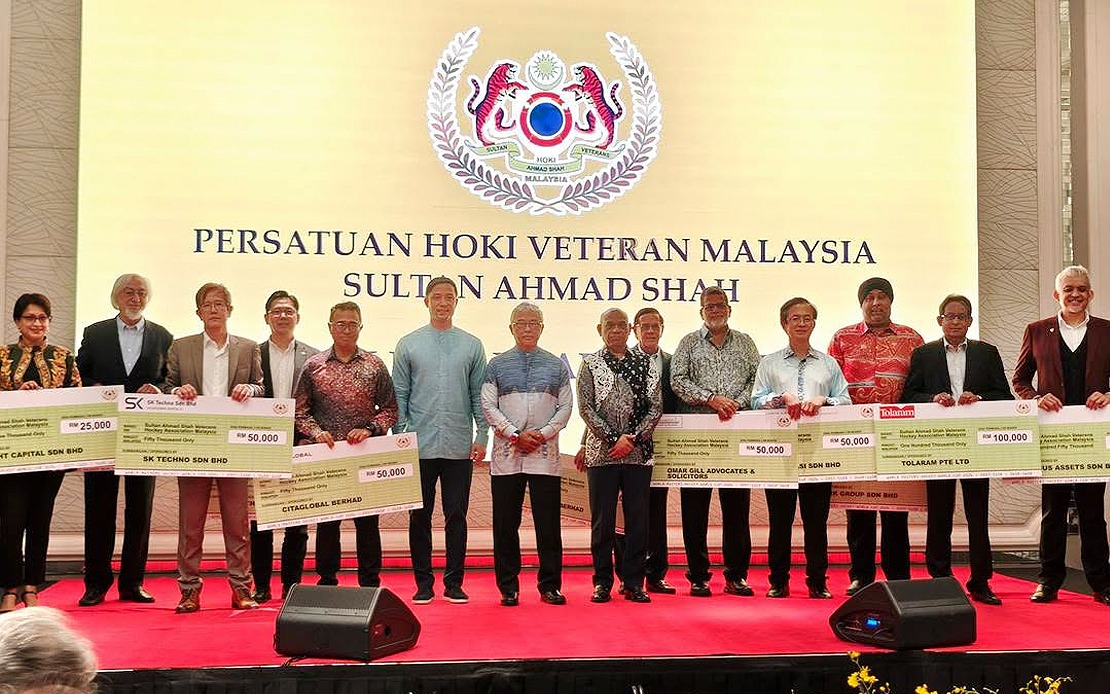
Malaysia's veteran hockey contingent has received a significant financial injection of RM1.36 million as the nation gears up for the 2026 Masters Hockey World Cup, a prestigious international competition scheduled to unfold across the Netherlands and Belgium from July 22 to August 16. The funding announcement was made during a Royal High Tea Ceremony, underscoring the strategic importance of the event and reflecting institutional support for Malaysia's continued participation in global veteran sports. The announcement was graced by Sultan of Pahang, Al-Sultan Abdullah Ri'ayatuddin Al-Mustafa Billah Shah, who serves as Patron of the Sultan Ahmad Shah Malaysian Veteran Hockey Association.
The Sultan Ahmad Shah Malaysian Veteran Hockey Association, through its president Tengku Arif Temenggong Tengku Fahad Mu'adzam Shah, will deploy the funds strategically to support Malaysian athletes competing across five distinct age categories. According to the association leadership, the financing package has been assembled through consolidated contributions from multiple stakeholders, reflecting broad community and institutional commitment to maintaining Malaysia's standing in international veteran hockey. The allocation addresses the multifaceted logistical and operational challenges inherent in organising international sports participation at this scale.
The financial support encompasses several critical operational areas essential for competitive success. Accommodation arrangements for the Malaysian contingent throughout the tournament period will be funded, alongside comprehensive travel logistics connecting Malaysia to both host nations. Tournament preparation initiatives, including specialised training and equipment procurement, will receive dedicated resources. Additionally, the association has prioritised financial assistance for veteran players facing personal economic constraints, recognising that participation barriers extend beyond official team expenses. This inclusive approach reflects a deliberate strategy to ensure that talented former national players are not excluded from international competition due to financial hardship.
The tournament structure reflects the comprehensive scope of veterans hockey competition globally. Athletes aged forty will compete at HC Schiedam in the Dutch city of Schiedam, while the forty-five and fifty-year-old categories will participate at HC Rotterdam, with all these matches concluding by August 1. The sixty-year-old cohort will contest at HC Olympia in Brasschaat, Antwerp, Belgium, while the most senior sixty-five-year-old category will take place at BHV Push in Breda, the Netherlands, extending competition through August 16. This geographic distribution across multiple venues and nations demonstrates the international coordination required for such championships.
The Masters Hockey World Cup represents the pinnacle of international competition for veteran athletes in the sport, held biennially and drawing elite teams from across the globe. The 2026 edition marks the eighth iteration of the championship since the contemporary Masters Hockey World Cup framework was established in 2012. That founding moment represented a significant institutional development, emerging from the merger of two established international bodies: the International Masters Hockey Association and the World Grand Masters Association. This consolidation created a unified, globally recognised competitive structure that has since legitimised and professionalised veteran hockey on the international stage.
Malaysia's participation in Masters Hockey reflects the nation's enduring strength in field hockey, a sport with deep historical roots in the country. Veterans competitions provide pathways for former national team players to maintain elite sporting engagement and represent their country at advanced career stages. The investment in veteran athletes also serves broader soft power objectives, extending Malaysia's athletic presence and diplomatic reach through international sporting forums. For the players themselves, Masters Hockey World Cup competition represents an opportunity to showcase sustained excellence and compete against the world's best veteran athletes across multiple age-bracket divisions.
The funding announcement carries implications beyond immediate tournament logistics. By securing institutional financing and patronage from the highest levels of the Malaysian state, the veteran hockey association has strengthened the programme's institutional foundation. This financial commitment signals that the Malaysian sports establishment values continuity and legacy pathways for former elite athletes. Such arrangements create incentive structures encouraging long-term athletic development, knowing that competitive pathways exist even after careers with national senior teams conclude. For younger athletes observing career trajectories, the existence of robust veteran competitions and adequate funding provides reassurance about long-term engagement opportunities within their sporting discipline.
Regionally, Malaysia's participation in global veteran hockey championships contributes to Southeast Asia's athletic profile. The region remains somewhat underrepresented in international veteran sports competition, despite significant population bases and hockey heritage. Malaysian success at the Masters World Cup generates regional visibility and inspiration for other Southeast Asian nations considering investment in veteran sports programming. The tournament itself, hosted across European venues, connects Malaysia to established global sporting networks and standards, maintaining competitive benchmarks and international engagement that might otherwise recede as athletes age out of traditional national team structures.
The financial support package also reflects recognition that veteran athletes require different support models than their younger counterparts. Many former national players balance continued competitive engagement with work and family responsibilities, making dedicated financial assistance for travel and accommodation genuinely transformative. By addressing these practical barriers explicitly, Malaysia's veteran hockey association demonstrates sophisticated understanding of participation dynamics. This approach potentially maximises the number of competitive players available for selection, strengthening squad quality and expanding the pool of potential representatives across the five age categories competing simultaneously at the championship.
Looking ahead to the July tournament, Malaysian veteran hockey teams will represent the nation across a compressed but intensive competition schedule, with matches for the younger age categories concentrating in early August. The RM1.36 million investment represents measurable institutional commitment to ensuring Malaysian representation meets appropriate competitive standards. Beyond the immediate 2026 championship, this funding initiative may establish precedent for sustained veteran sports investment, potentially influencing future allocation decisions within Malaysia's broader sports financing frameworks and encouraging other national associations to prioritise veteran athlete support.

