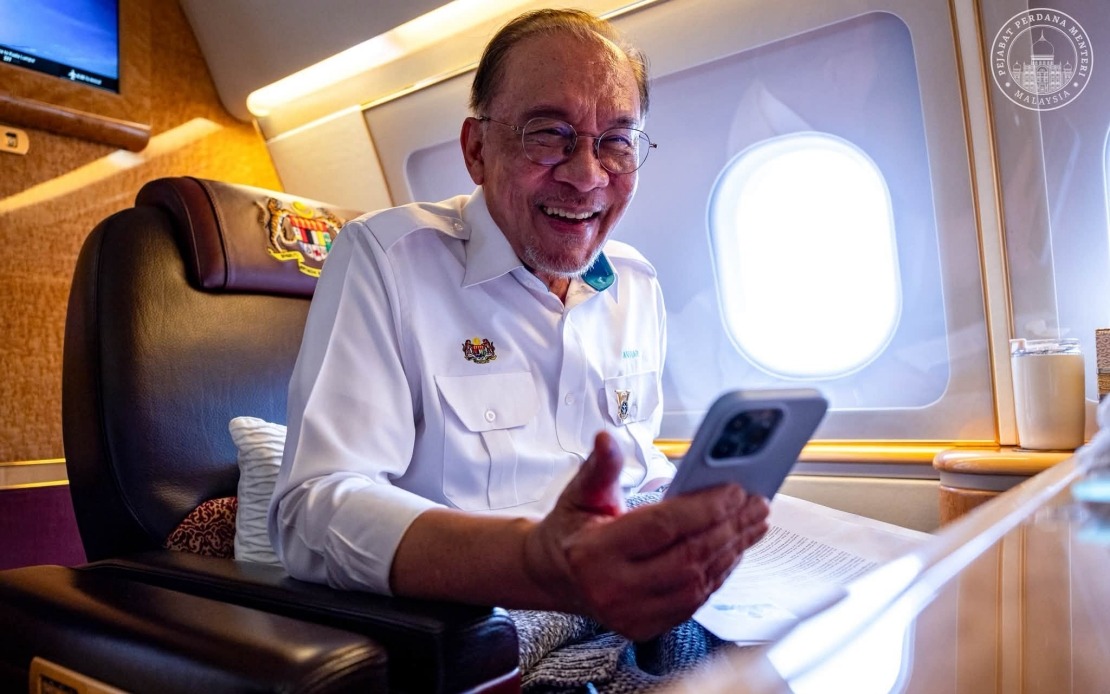
Prime Minister Datuk Seri Anwar Ibrahim announced that Malaysia stands prepared to welcome Formula 1 back to the Sepang International Circuit, ending a nine-year absence from the prestigious international motorsport calendar. The Kingdom of Bahrain will host the Formula 1 Gulf Air Bahrain Grand Prix at the Malaysian venue from October 2 to 4, representing a significant diplomatic and sporting development for the region. The announcement underscores Malaysia's continued capacity to deliver world-class international events while simultaneously strengthening bilateral ties with Bahrain.
The Prime Minister characterised the arrangement as far more than a straightforward hosting arrangement for a sporting spectacle. According to Anwar, the initiative reflects the profound friendship and mutual confidence shared between Malaysia and Bahrain, two nations with longstanding diplomatic and economic partnerships. He expressed deep gratitude toward His Royal Highness Prince Salman Hamad Al Khalifa, the Crown Prince and Prime Minister of Bahrain, alongside the broader Bahraini government and populace for placing their trust in Malaysia's capacity to stage such a significant event at the internationally recognised Sepang facility.
Anwar disclosed that he engaged directly with key stakeholders instrumental in bringing this event to Malaysia. Conversations with both Crown Prince Salman Hamad Al Khalifa and Formula 1 president and chief executive officer Stefano Domenicali provided opportunities to discuss the collaborative framework underpinning this partnership. These high-level discussions facilitated the agreement between the three parties: the Malaysian government, the Kingdom of Bahrain, and Formula 1's governing structures, including the International Automobile Federation, positioning Sepang as the venue for what promises to be a prestigious October racing calendar fixture.
For Malaysia, the return of Formula 1 carries substantial strategic significance in an increasingly competitive landscape for hosting major international sporting competitions. The nation has invested considerably in maintaining the Sepang International Circuit as a world-class facility capable of meeting the stringent technical and operational requirements demanded by modern Formula 1 racing. The nine-year interval since Malaysia last hosted the championship represents a considerable gap, making this October event a notable milestone in reasserting the country's position within the global motorsport ecosystem and demonstrating that Malaysian infrastructure remains fit for international competition at the highest levels.
The diplomatic dimensions of this arrangement merit particular attention for Malaysian observers. Bahrain's decision to stage its Grand Prix at a foreign circuit represents an unconventional arrangement, yet it reflects broader regional cooperation and trust between the two nations. This arrangement signals to the international community that Malaysia maintains robust relationships across the Gulf Cooperation Council region and remains a preferred destination for major international undertakings, even when such events carry geopolitical implications or sensitivities.
Anwar emphasised Malaysia's commitment to demonstrating its world-class infrastructure credentials and operational excellence during the October event. The Malaysian government intends to leverage this occasion as a platform for showcasing the nation's hospitality standards and technical capabilities to a global audience. Formula 1 events attract international media coverage and prominent international figures, offering Malaysia substantial promotional opportunities beyond the immediate sporting context. The visibility associated with hosting such a prestigious championship carries implications for Malaysia's broader standing in international business, tourism, and diplomatic spheres.
The strengthening of Malaysia-Bahrain relations through this sporting collaboration represents another dimension of the arrangement's significance. Anwar characterised the partnership as a vehicle for deepening bonds between the two nations, moving beyond transactional sporting arrangements toward substantive relationship-building. Such cooperation across multiple domains, including motorsport and international event hosting, contributes to the broader pattern of Southeast Asian and Gulf cooperation that increasingly characterises regional diplomacy and economic partnerships in the contemporary geopolitical environment.
For the Malaysian motorsport community and enthusiasts, the return of Formula 1 to Sepang represents a major development after years of absence. The event will inject considerable economic activity into the Klang Valley region, generating employment opportunities, accommodation demand, and commercial activity around the racing calendar dates. Local tourism operators, hospitality providers, and allied service sectors stand to benefit substantially from the influx of international visitors, teams, media personnel, and officials accompanying a Formula 1 championship race.
The operational complexities of hosting a Formula 1 Grand Prix extend considerably beyond the visible racing elements. Sepang International Circuit and associated Malaysian authorities must coordinate extensive security arrangements, traffic management, accommodation logistics, and medical facilities across the October 2 to 4 period. The Malaysian government's capacity to manage these multifaceted requirements simultaneously across a major metropolitan area demonstrates the administrative sophistication required for hosting international events of this calibre.
Beyond the immediate sporting and diplomatic considerations, this arrangement reflects Malaysia's strategic positioning within the broader Southeast Asian and Asia-Pacific motorsport landscape. As the region experiences growing economic development and increasing interest in premium sporting events, Malaysia's ability to host Formula 1 establishes it as a regional leader in international event management capabilities. This positioning carries long-term implications for attracting additional major sporting competitions, conferences, and international gatherings to Malaysian venues in subsequent years.
The announcement also signals Malaysia's recovery and resilience in the post-pandemic international events sector. Major international sporting competitions faced considerable disruption and scheduling challenges during global health crises, making the successful staging of Formula 1 at Sepang an indicator of Malaysia's restored capacity to manage complex international operations. This demonstration of capability arrives at a strategic moment when many nations worldwide are competing aggressively to attract high-profile international events that generate economic returns and global visibility.
The October Formula 1 event at Sepang International Circuit will undoubtedly generate significant discussion among Malaysian observers regarding the nation's motorsport heritage and future positioning. While Malaysia hosted Formula 1 regularly for many years previously, the nine-year absence created something of a hiatus in the national motorsport consciousness. The return of Grand Prix racing to Malaysian soil provides an opportunity for renewed engagement with international motorsport, potentially inspiring younger generations of Malaysian motorsport enthusiasts and professionals while reconnecting established fans with the pinnacle of automotive competition.

