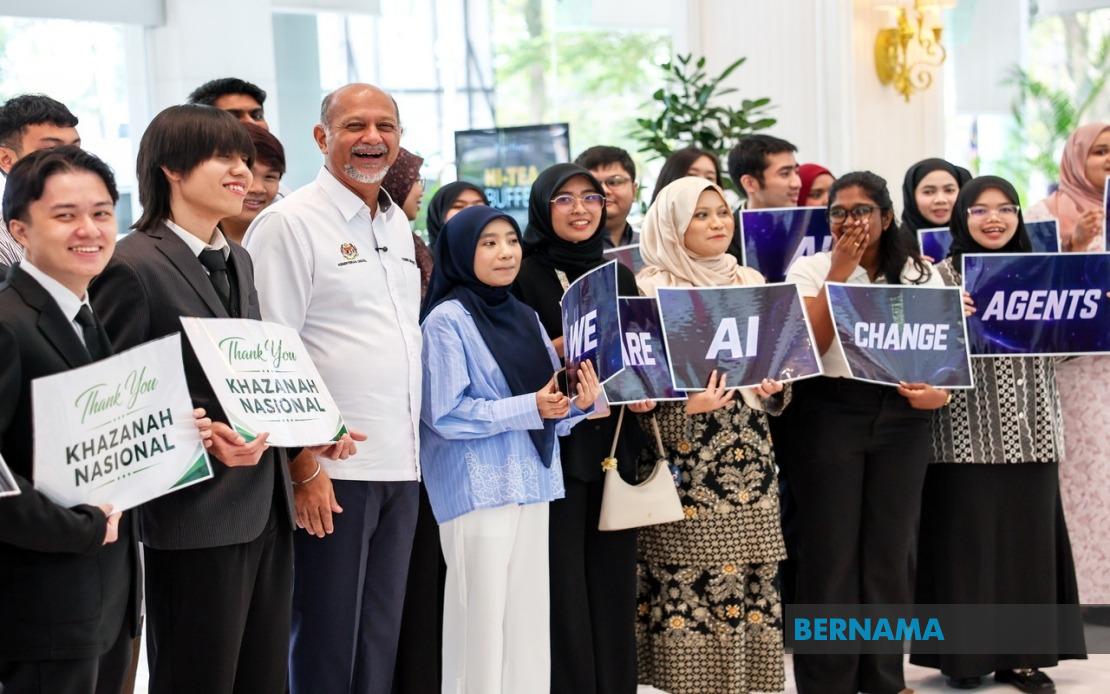
Malaysia is abandoning its historically reactive approach to technology regulation in favour of forward-planning strategies designed to position the nation as an artificial intelligence leader by 2030, Digital Minister Gobind Singh Deo announced at the AI-Ready Malaysia Summit 2026 in Petaling Jaya on Wednesday. The government's shift represents a fundamental departure from traditional governance practices that typically addressed technological issues only after they emerged, a framework increasingly unsuitable given the velocity of innovation reshaping global industries and economies.
Gobind's statement marks a critical inflection point for Southeast Asia's largest economy. For decades, Malaysian policymakers have operated within a familiar paradigm: responding to crises with emergency legislation, enforcement actions, and remedial policies. This reactive posture, while occasionally effective, consistently left the nation playing catch-up with technological developments originating elsewhere. The Digital Minister's acknowledgment that "this approach needs to change" signals recognition among top officials that proactive governance—anticipating problems and embedding solutions before they manifest—has become essential for maintaining competitive advantage in the global digital economy.
The establishment of AI Malaysia represents the institutional embodiment of this strategic reorientation. Rather than serving as another advisory body producing consultative reports, the organization functions as a dedicated implementation engine tasked with architecting the technological and regulatory infrastructure Malaysia requires to transition from technology consumer to technology leader. By concentrating focus on six priority sectors—agriculture, transport, and healthcare among them—AI Malaysia concentrates resources on domains where artificial intelligence deployment offers tangible economic and social returns while managing associated risks systematically.
The sectoral prioritization reflects sophisticated strategic thinking. Agriculture remains critical for rural employment and food security across Malaysia and the broader region. Transport infrastructure challenges plague urban centres from Kuala Lumpur to Bangkok, with autonomous systems and AI-driven logistics offering efficiency gains. Healthcare systems across Southeast Asia face demographic pressures and resource constraints that intelligent diagnostics and administrative automation could meaningfully address. By targeting sectors with immediate practical utility, Malaysia establishes early-mover advantages rather than pursuing abstract technological prowess disconnected from economic reality.
Gobind's emphasis on anticipatory policymaking and prospective legislation underscores the sophistication now expected of governments navigating technological disruption. Rather than waiting for algorithmic bias to produce documented harm, regulatory failures to spark public outcry, or security breaches to demand legislative responses, Malaysian authorities are drafting frameworks designed to prevent foreseeable complications. This requires sustained investment in technical expertise within government, foresight capabilities among policy analysts, and genuinely collaborative relationships between bureaucrats and technology sector participants—a cultural shift that extends beyond ministerial rhetoric into institutional practice.
The multi-layered approach Gobind outlined encompasses awareness, accessibility, and adoption as sequential yet interconnected priorities. Public understanding of artificial intelligence remains limited across Malaysia and Southeast Asia more broadly, with many citizens experiencing AI applications without recognizing their role or understanding underlying mechanisms. Building foundational technological literacy—explaining what artificial intelligence is, how it functions, and what practical benefits it delivers—precedes meaningful adoption. Without this awareness foundation, even accessible and affordable AI solutions struggle to achieve meaningful penetration beyond early adopters and technology-focused enterprises.
Accessibility demands explicit attention to equity and inclusion. If AI-driven transformation becomes available only to affluent urban populations and multinational corporations, Malaysia risks deepening existing digital divides while generating social tensions around technological progress. Gobind's assertion that government must "ensure that the technology ecosystem is accessible and can be used by all segments of society, is not too costly and is easy to obtain" recognises that genuine national-level competitiveness depends on broadbased technological capability rather than isolated pockets of excellence. This frames technology not merely as an economic opportunity but as a social responsibility issue, with implications for Malaysia's cohesion and stability.
The cost dimension merits particular emphasis for Malaysian readers. Regional technology adoption has historically been constrained not by availability or even comprehension, but by pricing structures that make cutting-edge solutions unaffordable for small enterprises, rural applications, and public sector agencies operating under budget constraints. The government's signaled commitment to affordability suggests recognition that sustainable AI deployment requires pricing architectures aligned with regional income levels rather than globally-calibrated corporate pricing. This may necessitate public investment in shared infrastructure, subsidized access to government-validated tools, or regulatory frameworks encouraging local technology providers to compete with international incumbents on price as well as functionality.
For Southeast Asian economies observing Malaysia's technological strategy, this approach offers both a model and a competitive signal. Thailand, Vietnam, and Indonesia are simultaneously developing their own AI ambitions and regulatory frameworks. Malaysia's emphasis on proactive policymaking and sectoral targeting creates a template other regional governments may emulate or attempt to surpass. Conversely, success in implementing AI Malaysia's agenda could position Malaysia as a regional innovation hub and technology policy thought leader, attracting investment, talent, and partnership opportunities currently flowing toward more established centres.
The sustainability of Malaysia's strategic shift ultimately depends on institutional consistency and adequate resource allocation. Announcing proactive AI governance differs fundamentally from implementing it. Government agencies require sustained funding for technical talent, international engagement, and continuous policy refinement as technology evolves. Political leadership must weather inevitable criticism when regulations burden incumbent industries or when early-stage interventions produce unintended consequences. The genuine test of Malaysia's commitment to proactive technology governance will emerge not in summit speeches but in the detailed legislation, regulatory frameworks, and implementation mechanisms that translate strategic vision into institutional reality across coming years.

