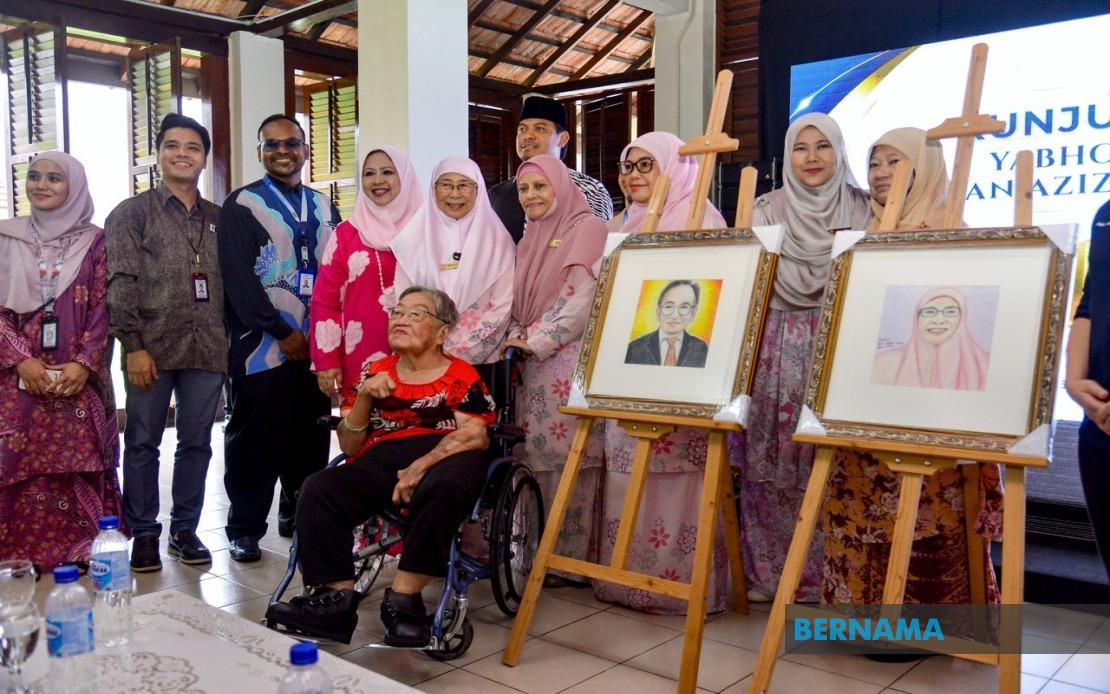
The National Leprosy Control Centre (PKKN) in Sungai Buloh has reached a significant milestone as it commemorates a century of medical service, prompting calls from prominent national figures to safeguard its legacy for future generations. Datuk Seri Dr Wan Azizah Wan Ismail, the Prime Minister's wife, visited the institution to mark the occasion and underscored the importance of treating this historic facility as a living testament to Malaysia's medical achievements and the nation's broader healthcare evolution.
Established in 1926, the Sungai Buloh centre represents far more than merely a treatment facility for a single disease. Throughout its hundred-year existence, the institution has documented and witnessed some of the most pivotal moments in the country's public health narrative. From its early years when leprosy posed a significant public health challenge, through to its modern role in contemporary medicine, the centre encapsulates the transformation of Malaysian healthcare practice and the country's capacity to address infectious diseases through systematic, compassionate approaches.
During her visit, Dr Wan Azizah engaged directly with staff and residents, spending time understanding the day-to-day operations while also receiving a portrait painted by a resident—a gesture that underscores the human dimension often overshadowed by institutional histories. This interaction reflects a broader recognition that heritage preservation encompasses not just physical structures, but also the stories and dignity of those who have been part of the centre's journey across the decades.
The case for preservation extends beyond mere nostalgia or architectural appreciation. As Dr Wan Azizah articulated, the centre warrants continued investment in both conservation of its heritage structures and simultaneous modernisation of its healthcare delivery capabilities. This dual approach acknowledges that historical preservation need not mean freezing an institution in time; rather, it means recognising its past significance while ensuring it remains medically relevant and operationally effective.
Malaysia's success in controlling leprosy represents a remarkable public health victory. The country achieved leprosy elimination status in 1994—a designation that placed it among a select group of nations worldwide to accomplish this feat. The current prevalence rate stands at 0.15 cases per 10,000 population, substantially below the World Health Organisation's elimination threshold. This achievement did not occur through accident; it represents decades of systematic effort, institutional commitment, and sustained funding rooted in facilities like PKKN.
The stigma historically associated with leprosy has also shifted considerably, a transformation that reflects changing scientific understanding and broader societal enlightenment. Modern epidemiology has established that leprosy is not easily transmissible and is readily treatable with multidrug therapy regimens developed over recent decades. Public perception has correspondingly evolved, though Dr Wan Azizah's emphasis on this point suggests that residual misconceptions may persist among portions of the population, making educational efforts through heritage sites potentially valuable.
Beyond its primary leprosy mission, PKKN demonstrated institutional flexibility and national service capacity by converting facilities to serve as a COVID-19 ward in 2020. This adaptation illustrates how heritage institutions can remain operationally dynamic, leveraging their infrastructure and expertise to address emergent health threats. Such responsiveness indicates that preservation and modernisation are not opposing imperatives but complementary aspects of institutional stewardship.
For Malaysian readers and policymakers, the preservation of PKKN carries implications for how the nation values its medical heritage more broadly. Many Southeast Asian countries grapple with balancing heritage conservation against developmental pressures and fiscal constraints. Malaysia's approach to PKKN could establish a template for other regional health institutions seeking to maintain historical significance while serving contemporary populations.
The hundred-year milestone also provides opportunity for institutional reflection and public education. Through heritage programming, museum exhibits, and archival preservation, the centre can document its own history for scholars, public health professionals, and the general public. Such documentation ensures that future generations understand both the scientific advances that made leprosy elimination possible and the human stories of patients, healthcare workers, and administrators who sustained this vital institution across changing political, social, and epidemiological landscapes.
Dr Wan Azizah's advocacy, delivered through her position as chair of KASIH Malaysia and her proximity to governmental decision-making, suggests that preservation efforts may receive institutional and potentially financial support. Her call combines recognition of healthcare achievement with cultural stewardship—framing PKKN not merely as a medical facility but as a national asset worthy of dedicated conservation resources alongside operational modernisation.

