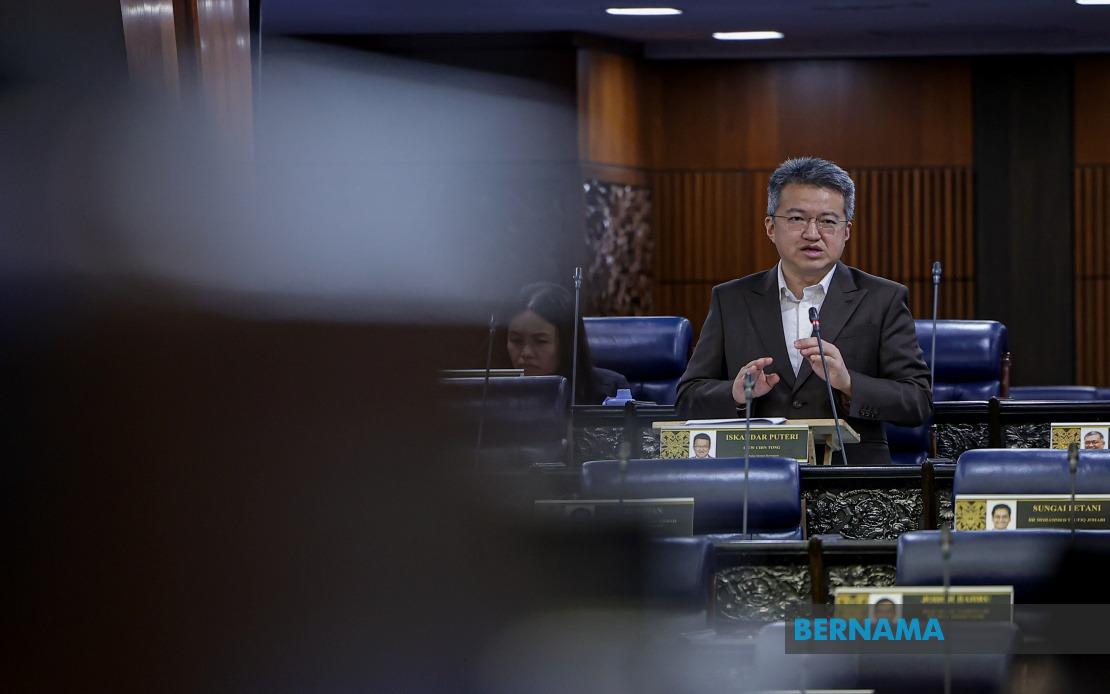
Malaysia's government is pursuing an extensive overhaul of its governance and public administration systems to restore the nation's battered international reputation and prevent a recurrence of the 1Malaysia Development Berhad scandal that cost taxpayers billions. Deputy Finance Minister Liew Chin Tong outlined these institutional safeguards during parliamentary Question Time, emphasising the Anwar Ibrahim administration's commitment to rebuilding investor confidence that was severely undermined by the 1MDB affair.
The reputational damage inflicted by 1MDB extended far beyond Malaysia's borders, triggering investigations by foreign enforcement agencies, generating sustained global media scrutiny, and prompting cross-border legal proceedings that cast the nation's governance standards in an unfavourable light. The scandal raised serious questions among international observers regarding the integrity of Malaysia's public institutions and the oversight mechanisms governing public finances. This erosion of trust has presented ongoing obstacles to efforts aimed at attracting foreign investment, enhancing the country's competitive position globally, and maintaining confidence among market participants in the strength of national economic institutions and fiscal management.
At the legislative forefront of these reform efforts stands the Public Finance and Fiscal Responsibility Act 2023, which establishes stricter requirements for managing government finances and incorporates mechanisms designed to curtail the misuse of public resources. This landmark legislation represents a fundamental shift in how Malaysia approaches fiscal discipline, creating a more robust legal architecture to govern the handling of state funds. The statute reflects lessons learned from the 1MDB debacle, where inadequate oversight and insufficient accountability frameworks enabled the diversion of vast sums from their intended developmental purposes.
Complementing this legislative initiative, the government has reformed the Audit Act to substantially expand the operational scope and investigative authority of the Auditor-General. The revised framework adopts what Liew described as a "follow the public money" methodology, permitting auditors to trace government expenditures across multiple agencies and entities with greater thoroughness. This enhanced auditory capacity should enable more penetrating examinations of how public funds are deployed throughout the government apparatus, reducing the likelihood that large-scale financial irregularities could escape detection.
Beyond these foundational measures, the administration is progressing with the development of a Government Procurement Bill aimed at introducing greater transparency and competitive rigour into the process by which government agencies select suppliers and award contracts. Simultaneously, officials are overhauling the legal framework governing state-owned enterprises, recognising that SOEs represent a significant portion of the public sector and require clarified governance standards to prevent mismanagement. These complementary initiatives collectively target the structural vulnerabilities that the 1MDB scandal exposed.
The financial toll of the 1MDB crisis has weighed heavily on government budgets. Since 2017, successive administrations have directed RM18.7 billion from both operating and development expenditure streams toward meeting the accumulated financial obligations stemming from the scandal. This figure underscore the massive fiscal burden that poor governance decisions imposed on the nation. When the MADANI Government assumed office in March 2023, it faced an immediate crisis requiring the allocation of RM13 billion from the development budget specifically to redeem USD3 billion in bonds that the government had guaranteed on behalf of 1MDB. This single redemption consumed approximately 13.1 per cent of the government's entire development budget allocation for that fiscal year, crowding out resources that might otherwise have funded education, infrastructure, healthcare, and other developmental priorities affecting ordinary Malaysians.
Despite these substantial inherited liabilities, Liew pointed to positive macroeconomic outcomes resulting from the governance improvements. Malaysia has attracted record levels of approved foreign investment and achieved notable performance in merchandise trade metrics under the reformed framework. The country's standing in international competitiveness rankings has also improved, suggesting that investors and analysts view the institutional reforms as credible commitments to better governance. These improvements indicate that despite the enormous financial drag of managing the 1MDB aftermath, the government's reform agenda is generating confidence among external stakeholders.
The comprehensive nature of the reform programme reflects an understanding that durably restoring Malaysia's governance reputation requires action across multiple domains simultaneously. Piecemeal reforms targeting only one aspect of the public administration would be insufficient to convince sceptical international audiences that systemic vulnerabilities had been adequately addressed. Instead, the government is pursuing synchronised changes to legislation governing fiscal management, audit authority, procurement procedures, and SOE oversight. This multi-pronged approach demonstrates recognition that the 1MDB scandal was not merely an isolated instance of individual misconduct but rather reflected broader deficiencies in institutional checks and balances.
For Malaysian readers and investors, these governance initiatives carry significant practical implications. A more robust regulatory environment surrounding public finances and government contracting potentially reduces opportunities for the type of large-scale misappropriation that 1MDB exemplified. Enhanced audit authority creates a more credible mechanism for detecting financial irregularities. Tighter fiscal discipline frameworks constrain the discretionary room within which officials might otherwise redirect public funds toward unauthorised purposes. Collectively, these mechanisms reduce systemic risk and should gradually rebuild confidence in Malaysian institutions.
The international dimension remains crucial. Foreign investment decisions increasingly incorporate governance and institutional quality assessments alongside conventional financial metrics. Countries perceived as having weak oversight mechanisms and high corruption risk face higher capital costs and reduced foreign direct investment inflows. Malaysia's efforts to demonstrate institutional strengthening through legislative reform and expanded oversight mechanisms address these investor concerns directly. As the governance reforms mature and their implementation record accumulates, external perceptions of Malaysia's commitment to institutional integrity should continue improving, facilitating greater capital inflows and economic growth opportunities for the nation.

