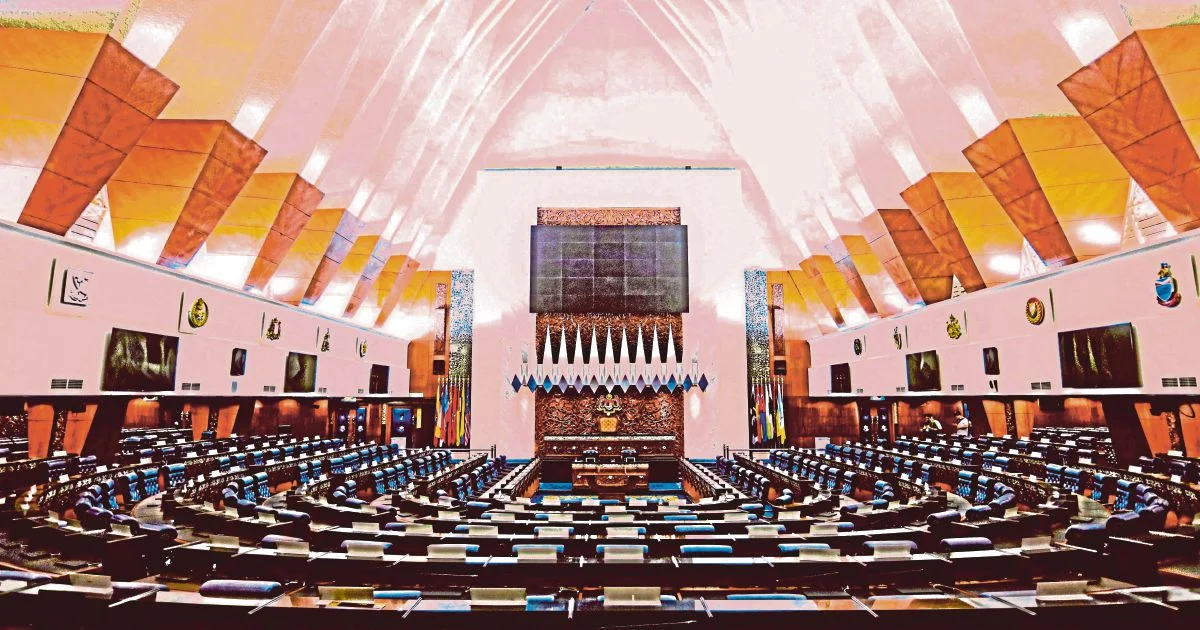
Lawmakers in the Dewan Rakyat are poised to scrutinise two interconnected policy challenges that bear significantly on Malaysia's economic expansion and geopolitical standing: the advancement of the Malaysia-Thailand Border Economic Zone and the cascading consequences of instability in the Strait of Hormuz.
The Malaysia-Thailand Border Economic Zone represents a strategic initiative aimed at unlocking dormant economic potential along the shared frontier separating the two nations. This collaborative framework seeks to transform what has historically been a peripheral region into a vibrant hub of cross-border commerce, investment, and shared development. The zone encompasses areas in southern Thailand and northern Peninsular Malaysia, where geographic proximity and complementary economic structures offer genuine opportunities for mutual prosperity. Parliamentary focus on this initiative underscores the government's commitment to deepening regional integration and fostering prosperity beyond Malaysia's traditional economic heartlands.
Investors and policymakers view the Border Economic Zone as a mechanism to harness comparative advantages on both sides of the frontier. The region possesses natural resources, labour availability, and strategic positioning along key trade corridors that could attract manufacturing, logistics, and tourism ventures. However, translating conceptual frameworks into tangible investment flows requires resolving regulatory harmonisation, customs procedures, and infrastructure connectivity. Today's parliamentary discussion will likely examine progress on these practical enablers and identify remaining bottlenecks that impede realisation of the zone's potential.
The Strait of Hormuz crisis presents a more immediate and unpredictable challenge to regional stability and Malaysia's economic interests. Through this strategic waterway passes roughly one-third of global seaborne traded oil, making it one of the world's most critical energy chokepoints. Prolonged tensions in the region create uncertainty in energy markets and heighten risks for commercial shipping navigating these waters. For Malaysia, which imports much of its energy and relies heavily on maritime trade, disruptions to Hormuz shipping lanes carry tangible consequences for fuel costs, inflation, and overall economic performance.
Recent geopolitical friction surrounding the Strait reflects broader strategic competition and periodic incidents involving tankers and military vessels. These developments create insurance cost pressures, potential supply chain disruptions, and downside risks to global economic growth—all factors that reverberate through Malaysian ports and petrochemical facilities. The government's interest in parliamentary deliberation on this matter reflects the need to assess Malaysia's exposure, coordinate with regional partners on maritime security, and explore contingency arrangements should access to Gulf oil supplies face serious disruption.
The interplay between these two topics reveals interconnected dimensions of Malaysia's regional strategy. A flourishing Border Economic Zone depends partly on stable supply chains, predictable energy costs, and secure maritime lanes. Conversely, economic vitality within the zone could support maritime security cooperation and resilience-building across Southeast Asia. Parliamentary examination allows legislators to weigh immediate security and economic vulnerabilities against longer-term development ambitions.
From a broader Southeast Asian perspective, Malaysia's parliamentary attention to Hormuz tensions signals the region's vulnerability to external shocks emanating from the Middle East. Unlike more insulated economies, Southeast Asian nations depend substantially on secure access to Gulf energy supplies and rely on maritime routes transiting chokepoints like Hormuz for critical trade flows. Malaysian voices in regional forums carry weight on energy security and maritime safety, making today's domestic debate part of a wider conversation shaping ASEAN positions on Middle Eastern stability.
The Border Economic Zone discussion also reflects evolving Thailand-Malaysia relations and the capacity of both nations to collaborate on shared objectives despite historical tensions. The zone represents a departure from zero-sum thinking and demonstrates commitment to addressing mutual challenges through economic integration. Parliamentary support for this initiative signals confidence in bilateral relationships and recognition that prosperity flows from cooperation rather than confrontation.
Lawmakers are expected to probe into specific metrics: timeline for infrastructure completion, target foreign direct investment, employment generation, and institutional arrangements governing dispute resolution. They will also likely question contingency planning regarding Hormuz disruptions, strategic oil reserves, diversification of energy suppliers, and coordination with ASEAN counterparts on maritime security arrangements. These enquiries reflect legitimate parliamentary oversight of major policy initiatives affecting national welfare.
The timing of parliamentary debate on these dual challenges is instructive. It demonstrates Malaysian commitment to proactive engagement with both opportunities and risks characterising the contemporary regional environment. Rather than treating borderlands as peripheral zones neglected by central authority, the government is channelling policy focus and resources toward unlocking their potential. Simultaneously, parliamentary scrutiny of external threats underscores the need for comprehensive risk assessment and coordinated response mechanisms.
What emerges from today's discussions will likely include renewed commitments to accelerating Border Economic Zone implementation, calls for enhanced regional dialogue on maritime security, and potentially announcements regarding energy security measures or diversification strategies. These outcomes will shape investor confidence, business planning decisions, and Malaysia's positioning within regional cooperation frameworks in coming months.

