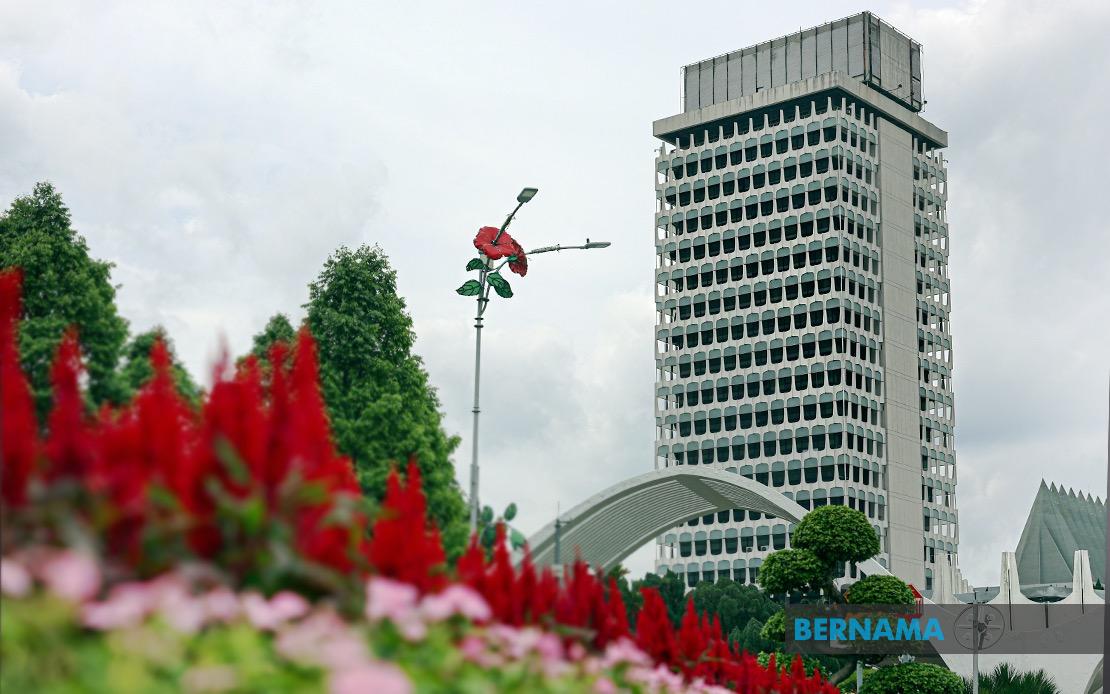
Parliament reconvenes today with two geopolitical and economic matters commanding significant legislative attention: the Malaysia-Thailand Border Economic Zone and fallout from the protracted Strait of Hormuz tensions. These issues underscore growing concerns about trade corridors, maritime security, and how Malaysia positions itself amid regional instability and bilateral economic ventures.
During the Ministers' Question Time, which begins at 10 am, Datuk Adnan Abu Hassan, the Kuala Pilah member representing the Barisan Nasional coalition, will press the Prime Minister on concrete economic gains anticipated from the BEZ initiative. His inquiry extends beyond headline figures to probe mechanisms protecting smaller enterprises and communities in border districts, reflecting longstanding anxieties that major infrastructure projects inadvertently sideline local populations who lack capital or networks to participate meaningfully in cross-border commerce.
The Malaysia-Thailand BEZ represents a significant venture to deepen bilateral integration, but implementation details remain opaque to many stakeholders. Adnan's line of questioning suggests parliament intends to demand clarity on how prosperity will cascade through supply chains and reach micro, small and medium enterprises rather than concentrating in the hands of large corporations already positioned to exploit new market access. This reflects a broader debate across Southeast Asia about ensuring inclusive development when states deregulate border zones.
Simultaneously, Datuk Rosol Wahid from Hulu Terengganu, representing the Perikatan Nasional opposition bloc, will ask the Prime Minister to articulate the government's formal assessment of how the Strait of Hormuz crisis threatens Malaysia's macroeconomic equilibrium and political stability. This question carries substantial weight given Malaysia's deep dependence on maritime trade through one of the world's most critical chokepoints. The Strait carries roughly one-third of global liquefied natural gas shipments and substantial crude oil volumes; any prolonged disruption ripples across energy markets and supply chains globally.
For Malaysia specifically, the Hormuz situation holds direct implications. The nation imports crude oil and liquefied natural gas, with disruptions feeding into energy costs, electricity generation expenses, and ultimately inflation pressures affecting ordinary households. Beyond economics, the crisis signals broader geopolitical fractures in the Middle East, creating uncertainty for Malaysian diaspora communities, investment portfolios, and potential diplomatic complications if tensions escalate further. Rosol's query implicitly demands that government articulate contingency arrangements and diplomatic strategies rather than remaining reactive.
The parliament sitting will also address highway safety following the Simpang Renggam incident in Johor on June 1. Datuk Yusuf Abd Wahab, representing the GPS party in Tanjong Manis, will question the Transport Minister on nationwide measures to combat illegal street racing. While superficially distinct from the BEZ and Hormuz matters, this reflects parliament's broader preoccupation with governance across infrastructure, from international corridors to domestic road safety.
Beyond question time, proceedings will introduce two significant Bills. The Statistics Bill 2026, tabled by the Economy Minister, signals government intent to modernise data collection and statistical frameworks, potentially supporting evidence-based policymaking on regional development and trade. The National Trust Fund Bill 2026, from the Finance Minister, addresses resource management and transparency in government wealth stewardship, matters increasingly scrutinised by legislators and constituents demanding accountability.
Most substantially, the parliament will receive the Parliamentary Special Select Committee report on constitutional amendments separating the Attorney General and Public Prosecutor roles. Datuk Seri Azalina Othman Said, the Minister in the Prime Minister's Department overseeing Law and Institutional Reform, will table this document. The committee conducted seven meetings to refine the proposal, incorporating improvements designed to reinforce institutional independence, integrity, and accountability for the Public Prosecutor's office. These constitutional changes carry profound implications for Malaysia's judicial architecture, affecting how prosecution decisions are made and checked, with ramifications for rule of law and public confidence in justice systems.
The separation of these historically combined roles addresses longstanding critiques that concentrating prosecutorial and attorney functions in one office risks politicisation and undermines judicial independence. International best practices in common-law jurisdictions typically maintain this separation to ensure impartial prosecution. Malaysia's move towards alignment with such standards reflects legislative recognition that institutional design directly influences citizens' faith in legal systems and governance.
The current parliamentary session, running sixteen days from June 22 through Thursday, provides extended opportunity for substantive deliberation on these interconnected themes: regional economic integration, geopolitical risk management, infrastructure governance, and constitutional reform. Each reflects tensions between Malaysia's ambitions as a developing economy pursuing growth through cross-border partnerships and deeper anxieties about ensuring such development remains sustainable, inclusive, and underpinned by robust institutions.
For Malaysian stakeholders and observers, today's proceedings offer windows into how parliament weighs competing priorities. The BEZ discussion signals commitment to Thailand cooperation but also parliamentary vigilance about protecting smaller businesses. The Hormuz inquiry demonstrates awareness that Malaysia's prosperity depends partly on global stability beyond its borders, requiring sophisticated diplomatic and economic risk management. Constitutional amendments suggest commitment to institutional strengthening as prerequisite for sustained development. Together, these items sketch parliament's vision of Malaysia navigating regional integration, geopolitical complexity, and internal governance challenges simultaneously.

