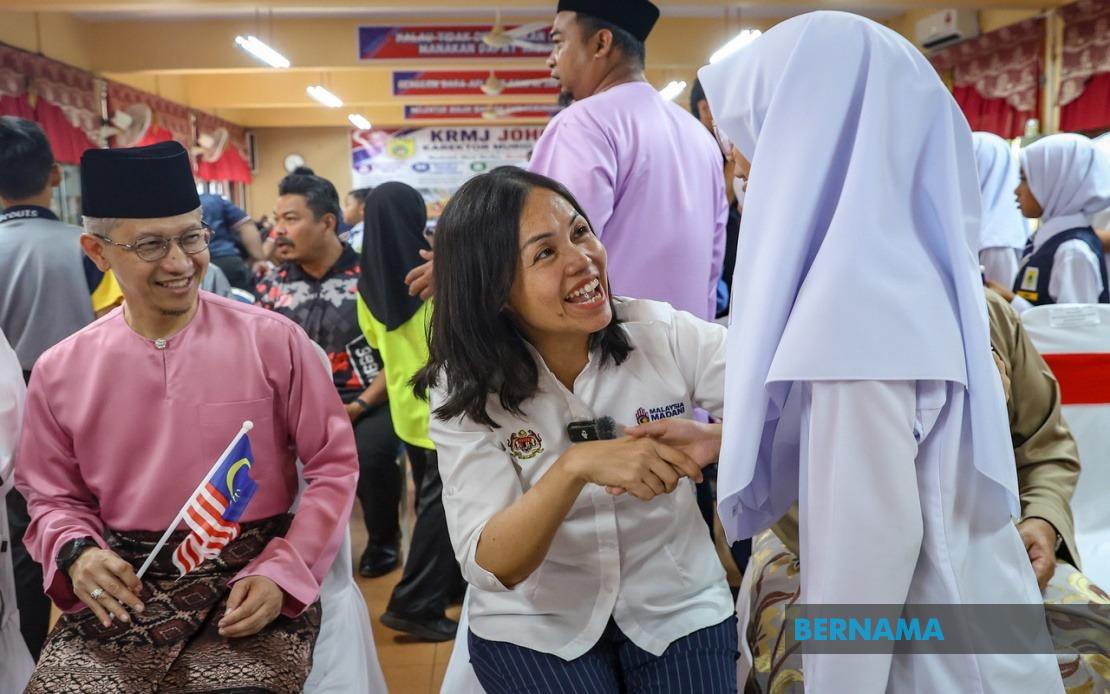
The Malaysian Ministry of Communications has identified bolstering the nation's film industry as a key budgetary priority for 2027, Deputy Minister Teo Nie Ching announced on Wednesday during a temple inspection visit in Kulai. While concrete details remain under wraps pending formal negotiations with the Ministry of Finance next week, Teo indicated that preliminary discussions have already flagged the film sector as a beneficiary of increased government backing.
The ministry's enthusiasm for supporting Malaysia's creative industries reflects growing recognition of cinema's contribution to both cultural soft power and economic output. The film industry generates revenue across production, distribution, exhibition, and ancillary sectors, while serving as a platform for Malaysian storytelling on regional and international stages. Teo's emphasis on the "orange economy"—a policy framework encompassing creative and cultural industries—signals alignment with broader government efforts to diversify economic drivers beyond traditional manufacturing and services.
Teo cautioned against premature announcements regarding specific budget allocations, stressing that confirmation depends on forthcoming consultations with the Finance Ministry. Her measured approach reflects the bureaucratic reality that departmental budget proposals undergo rigorous scrutiny before final approval, and ambitious requests often face adjustment based on overall government fiscal constraints. The timing of these discussions, coming months before Budget 2027's formal presentation, suggests the communications sector is positioning early to secure adequate funding within potentially constrained fiscal parameters.
The deputy minister framed the ministry's approach around policy innovation rather than simply increasing expenditure. She emphasized that effective support mechanisms—whether through tax incentives, production grants, or infrastructure development—matter more than raw allocation figures. This distinction is crucial for Malaysia's film sector, which faces competition from regional production hubs offering generous incentives and tax breaks. Thailand, the Philippines, and Vietnam have all scaled up support for film and content production in recent years, making Malaysia's policy and funding environment increasingly relevant to investors' location decisions.
Sector observers note that strategic government investment in film production can generate multiplier effects throughout the economy. A well-supported local film industry attracts international co-productions, creates employment across skilled and semi-skilled categories, and generates downstream revenue through tourism, hospitality, and equipment rental. The communications ministry's focus on maintaining industry momentum while expanding its contribution to GDP suggests policymakers recognize these broader economic linkages.
Malaysia's film sector has experienced uneven growth in recent years, with production volumes fluctuating and international competitiveness varying by genre. Local box office performance has been pressured by streaming platforms and regional competition, while production costs have risen. Enhanced government support could address bottlenecks in financing, talent development, and infrastructure access. Several regional films have achieved pan-Asian success, demonstrating audience appetite for Malaysian stories when production quality meets international standards.
Beyond the film industry discussion, Teo's Kulai visit included inspection of construction progress at Sri Maha Mariamman Temple, where the Religious Affairs Division allocated RM248,560 in 2025 following a 2024 application under the Non-Muslim Houses of Worship (RIBI) scheme. She distributed food baskets to twenty B40 households and disadvantaged community members, activities reflecting the constituent service component of her parliamentary duties. These community engagement activities, typical for Malaysian lawmakers, provide opportunities to address local concerns while maintaining political visibility.
The RIBI allocation program itself deserves attention as complementary to film industry support in demonstrating government commitment to cultural preservation and community welfare across multiple domains. Malaysia's multicultural framework requires sustained investment in religious and cultural infrastructure maintenance, with the RM248,560 allocation representing targeted support for a specific community facility. This parallel to film industry backing illustrates broader government philosophy of supporting cultural sustainability alongside economic development.
For the film industry specifically, the path forward likely involves sector consultation before Budget 2027's November presentation. Industry bodies representing producers, distributors, exhibitors, and technical professionals typically engage with government during budget formulation, advocating for priorities such as increased production financing, tax incentives for international co-productions, and infrastructure development. Communications Ministry outreach to these stakeholders will inform the formal Finance Ministry submission.
Regional context matters considerably for Malaysian film policy. Singapore's government-backed Media Development Authority actively cultivates content production through grants and infrastructure investment, while Indonesia's larger domestic market provides scale advantages. Thailand's generous film incentives have attracted major regional productions. Malaysia's policy environment must balance international competitiveness with cultural objectives and budgetary constraints, requiring carefully calibrated support mechanisms rather than blanket spending increases.
The 2027 budget allocation decision will signal government commitment to positioning Malaysia as a regional content production destination. Enhanced support could encourage local producers to expand project scope, attract international partnerships, and invest in technical capabilities. Conversely, inadequate funding might result in continued brain drain toward better-resourced regional competitors, a concern frequently raised by Malaysian film professionals seeking greater domestic opportunity.
Teo's announcement, while preliminary, indicates the communications sector anticipates favorable reception from the Finance Ministry, though she appropriately stopped short of guarantees. Budget negotiations involving multiple stakeholder interests invariably involve compromise, and film industry funding must compete with healthcare, education, infrastructure, and defense priorities. The deputy minister's framing emphasizes policy effectiveness and economic contribution, arguments designed to strengthen the communications ministry's position during upcoming negotiations.
The ultimate outcome of these budget discussions will reveal government prioritization of Malaysia's creative economy within broader fiscal parameters. Whether enhanced allocations materialize, the Communications Ministry's explicit commitment to film industry support represents acknowledgment of cinema's cultural and economic significance, establishing a foundation for sustained sector development regardless of specific 2027 figures.

