Malaysia's disaster management infrastructure is undergoing a significant overhaul with the rollout of 15 permanent disaster relief centres (PPKB) across nine states, marking a strategic shift in how the nation handles emergency situations. The phased implementation, which commenced this year, represents a departure from the traditional reliance on school buildings as makeshift evacuation shelters during floods—a practice that has long disrupted the academic calendar for students nationwide.
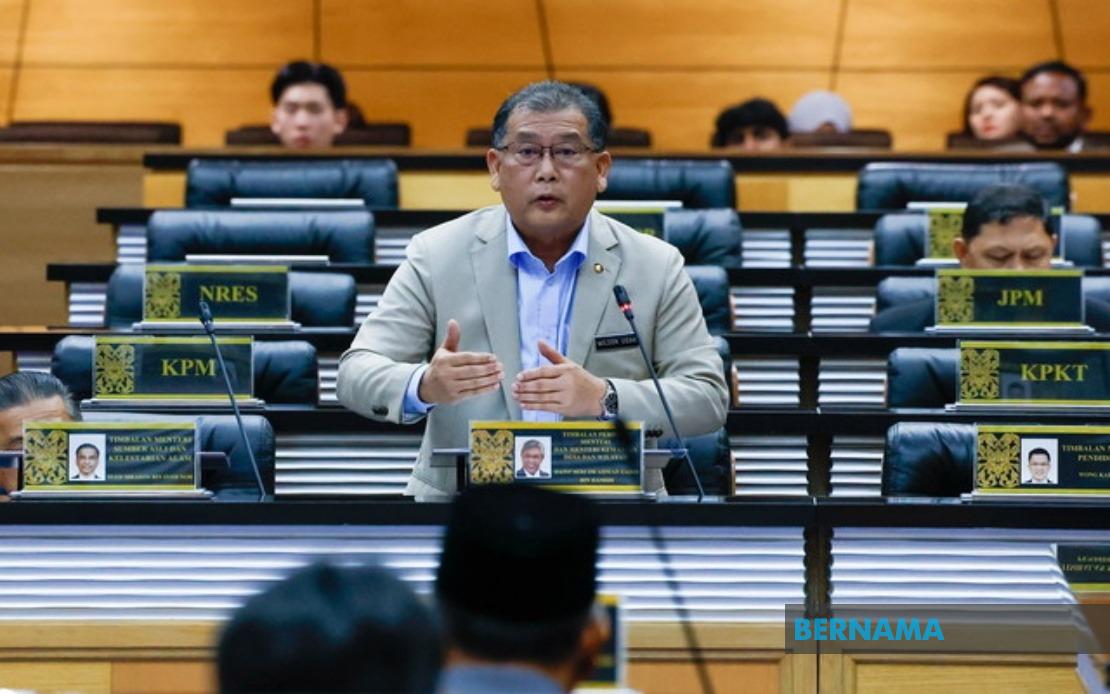
Deputy Digital Minister Datuk Wilson Ugak Kumbong, representing the Ministry of Rural and Regional Development, disclosed that the initiative is progressing at varying speeds. Two facilities in Johor and Pahang are already operational, while nine additional centres remain under active construction. The remaining four are still navigating procurement and planning phases, suggesting the programme will take several years to reach full capacity. This staged approach allows authorities to learn from early implementations and refine operational procedures before scaling up nationwide.
The dual-purpose design concept, formalized in 2023, represents innovative thinking in public asset utilisation. These centres function as community gathering spaces during non-emergency periods, hosting events and activities that serve local residents. This model maximises resource efficiency and ensures facilities generate social value year-round rather than remaining dormant between disasters. The National Disaster Management Agency (NADMA) is actively securing additional development allocations to expand the programme beyond the current nine states, with Perak specifically mentioned as a target area for future expansion.
Each facility has been designed with comprehensive disaster response capabilities in mind. The standard configuration includes a main hall accommodating up to 500 displaced persons, separate dining and food preparation areas, medical treatment rooms, and facilities specifically designed for persons with disabilities. The inclusion of prayer rooms (surau) and dedicated spaces for vulnerable populations—such as separated children or victims experiencing trauma—reflects a more psychologically informed approach to disaster management than previous ad hoc arrangements. This holistic design recognises that emergency sheltering involves not merely housing people but attending to their physical health, spiritual needs, and emotional wellbeing.
The selection process for new centres prioritises geographical vulnerability. Authorities have identified areas with a demonstrated history of severe flooding as primary candidates for facility placement. However, the decision-making process involves multiple layers of governance. Proposals first require endorsement from State Disaster Management Committees (JPBN), which possess intimate knowledge of local conditions and disaster patterns. These recommendations then proceed to NADMA for technical evaluation and final approval, ensuring centres are positioned where they can maximise lives protected and assistance delivered.
While permanent infrastructure remains under development, the government has simultaneously invested in upgrading temporary measures. NADMA approved RM4.44 million in April to enhance facilities at 25 selected temporary relief centres (PPS) located within Ministry of Education premises. This investment acknowledges that temporary arrangements will remain necessary during the transition period and potentially as overflow capacity during exceptionally severe events. Additionally, the ministry has established a maintenance fund providing up to RM50,000 for facility improvements at PPS locations activated following the Northeast Monsoon season, ensuring readiness during the subsequent flood season.
For Malaysian readers particularly in flood-prone regions, the implications are substantial. The reduction in school-based sheltering means younger students will miss fewer instructional days, allowing them to maintain academic continuity during family crises. Parents displaced by flooding will benefit from purpose-built facilities offering privacy, hygiene standards, and comfort levels superior to gymnasium or classroom conversions. The professional management of permanent centres, equipped with trained personnel and proper supply chains, should significantly improve the quality of emergency assistance provided to affected communities.
The expansion of this infrastructure also carries regional significance for Southeast Asia. Malaysia's experience with monsoon flooding—which also affects Thailand, Cambodia, and Vietnam—demonstrates how permanent disaster centres can serve as a model for more resilient regional approaches. The integration of community facility functions alongside emergency shelter capabilities offers a cost-effective blueprint that neighbouring countries struggling with seasonal inundation might adapt to their own contexts and fiscal constraints.
Deputy Minister Ugak emphasised that disaster management cannot rest solely upon government agencies. He articulated a "whole-of-government and whole-of-society" approach that distributes responsibility across federal and state administrations, private sector partners, and community organisations themselves. This framework recognition is crucial for Malaysia, where informal settlements and rural communities often possess their own disaster response mechanisms that, if formally integrated, could strengthen overall resilience. The success of the permanent centres programme will ultimately depend upon how effectively these various stakeholders coordinate during actual emergencies.
The financial commitment and infrastructure development signal serious intent from federal authorities to modernise disaster response capabilities. However, programme success metrics will extend beyond construction timelines. True effectiveness will manifest in swifter evacuations, reduced mortality during major flood events, fewer school disruptions, and improved recovery trajectories for affected populations. As climate change patterns intensify precipitation events across Southeast Asia, Malaysia's investment in permanent disaster infrastructure may prove instrumental in protecting vulnerable communities and demonstrating scalable solutions for regional peers facing similar challenges.

