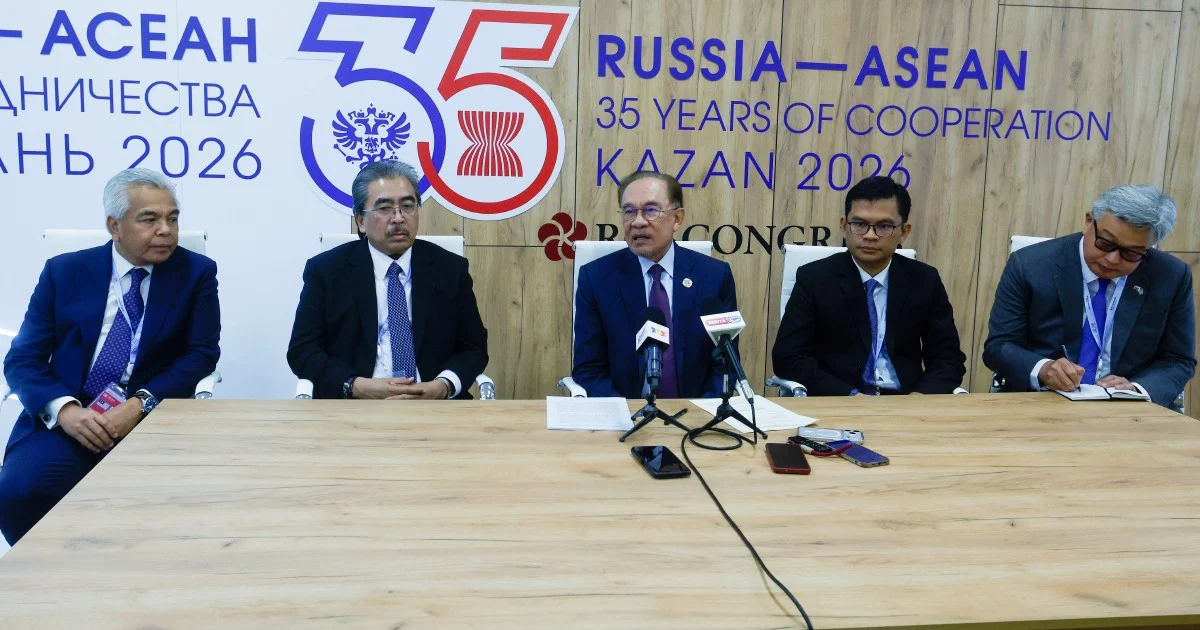
Prime Minister Datuk Seri Anwar Ibrahim has directed government agencies to accelerate the implementation of visa-free travel arrangements for Russian visitors, signalling a deliberate pivot toward boosting Malaysia's tourism recovery in the post-pandemic era. Speaking on the matter, the Prime Minister emphasised that expediting this initiative forms a crucial component of broader efforts to reinvigorate the country's tourism sector, which has remained under pressure as international travel patterns continue to normalise and shift.
The decision reflects Malaysia's strategic recognition of Russia as a significant source market for international tourism. Russian visitor arrivals have historically represented a substantial revenue stream for the Malaysian tourism industry, and reactivating this corridor through simplified travel procedures addresses both economic and diplomatic objectives simultaneously. By removing visa requirements for Russian nationals, Malaysia positions itself as a more accessible destination compared to regional competitors vying for the same tourist demographics.
This directive arrives at a moment when Malaysia's tourism sector is undergoing deliberate reconstruction following pandemic-induced disruptions. The government has consistently prioritised tourism as a key economic driver, with international arrivals serving as both direct revenue generators and indirect catalysts for employment across hospitality, transportation, and retail sectors. The Prime Minister's intervention suggests recognition that bureaucratic procedures, however minor, can deter potential visitors when competing destinations offer streamlined alternatives.
The timing of Anwar Ibrahim's announcement carries geopolitical nuance, given existing regional complexities and Malaysia's long-standing commitment to non-alignment in international affairs. By facilitating visa-free entry for Russian tourists, Malaysia demonstrates its capacity to maintain pragmatic bilateral relationships across diverse geopolitical divides while prioritising national economic interests. This approach aligns with Malaysia's broader diplomatic framework of engaging multiple powers without compromising sovereign interests.
From a practical standpoint, visa-free arrangements require coordination across multiple government agencies, including the Ministry of Tourism, the immigration department, and border control authorities. The Prime Minister's explicit instruction to expedite implementation suggests these bodies will receive heightened priority and resources to overcome any administrative hurdles that might otherwise delay the rollout. Such coordination challenges are not uncommon when introducing new travel policies, particularly those affecting bilateral relationships.
The Russian tourist market brings specific characteristics that make it valuable to Malaysia's recovery strategy. Russian visitors typically undertake longer stays compared to tourists from certain other markets and demonstrate consistent spending patterns across accommodation, dining, shopping, and recreational activities. Moreover, Russia's geographic location and time zones make Malaysia an attractive destination for holiday seekers seeking warm-climate escapes, positioning the country competitively within the Southeast Asian tourism landscape.
Regional implications merit consideration, as neighbouring countries including Thailand, Vietnam, and Indonesia have similarly pursued enhanced accessibility for international markets. Malaysia's move to facilitate Russian visitor entry reflects competitive positioning within the Southeast Asian tourism hierarchy. By removing friction from the travel process, Malaysia can capture market share from destinations that maintain more stringent entry requirements, thereby accelerating economic recovery in tourism-dependent communities.
The broader context of Malaysia's economic recovery strategy demonstrates tourism's prominence in government priorities. As the nation navigates post-pandemic economic challenges and seeks sustainable growth pathways, high-value tourism sectors receive particular attention. The Russian market, combined with other traditional source countries, can contribute meaningfully to employment, foreign exchange earnings, and tax revenues that support public services and infrastructure development.
Implementing visa-free arrangements also reduces administrative burden on Malaysian missions abroad, freeing consular resources for other priority matters. Russian citizens currently residing in Malaysia or other countries can now more easily undertake leisure travel without navigating lengthy visa application procedures, thereby increasing spontaneity in travel decision-making and potentially boosting visitor numbers beyond what conventional visa applications would generate.
Industry stakeholders within Malaysia's tourism sector have consistently advocated for simplified entry procedures as a competitive necessity. Hotels, airlines, tour operators, and attractions have recognised that reducing barriers to entry directly impacts their revenue streams and business viability. The Prime Minister's directive addresses these practical concerns while signalling government commitment to supporting the tourism ecosystem through policy enablement rather than solely through financial incentives.
Successful implementation of this initiative will likely influence policy considerations regarding other source markets. Should visa-free arrangements for Russian tourists yield positive outcomes in visitor numbers and spending patterns, the government may explore similar arrangements with other nationalities, systematically expanding Malaysia's appeal as a accessible destination. This precedent-setting nature of the current directive carries implications extending beyond Russian tourism alone.
Looking ahead, the expedited timeline for implementation will determine whether Malaysia can capitalise on this opportunity before the tourist season peaks. Government agencies must establish clear procedures, train personnel, and coordinate across borders seamlessly. The success of this initiative will be measurable through visitor arrival statistics and tourism revenue data, metrics that will inform future policy decisions regarding travel facilitation.