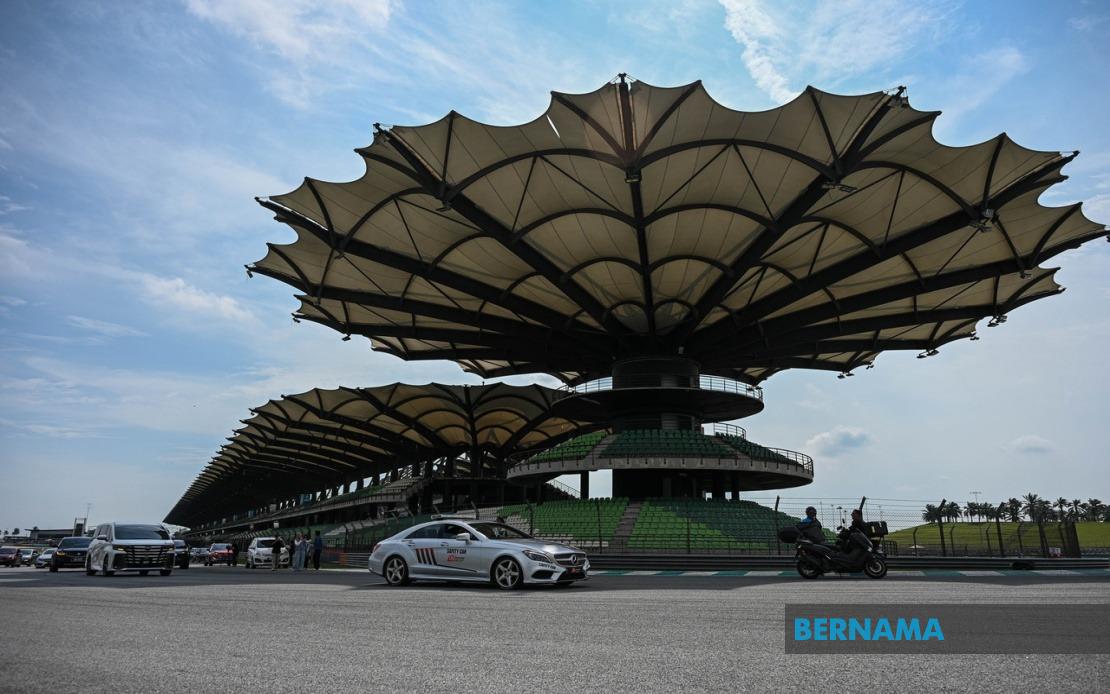
Malaysia has been chosen to stage the Formula 1 Gulf Air Bahrain Grand Prix in October following disruptions to the 2026 championship schedule, in an arrangement that reflects the deepening partnership between Kuala Lumpur and Manama across governance, motorsport, and economic cooperation. The race will take place at the Sepang International Circuit (SIC) from October 2 to 4, representing a watershed moment for regional motorsport as the Bahrain Grand Prix ventures beyond its home circuit for the first time since its establishment in 2004, while maintaining its official identity and branding.
The decision carries pronounced diplomatic significance, rooted in the strengthening relationship between Malaysia's royal and political leadership and their Bahraini counterparts. The arrangement reflects the personal ties between His Majesty King Hamad bin Isa Al Khalifa and His Majesty Sultan Ibrahim, King of Malaysia, which gained fresh momentum during Sultan Ibrahim's state visit to Bahrain in 2025. Equally important has been the strategic alignment between Crown Prince and Prime Minister Prince Salman bin Hamad Al Khalifa and Malaysian Prime Minister Datuk Seri Anwar Ibrahim, whose coordinated approach proved instrumental in bringing the proposal to fruition.
Bahrain's Ambassador to Malaysia, Dr Waleed Khalifa Al Manea, has characterized the collaboration as exceptional in its scope and implications, emphasizing how it transcends traditional sporting exchanges. He stated that the arrangement demonstrates the elevated trust and collaborative foundation between both nations, while simultaneously showcasing Malaysia's proven capability in delivering world-class motorsport events and Bahrain's recognized expertise in international racing operations. This complementary positioning of each nation's strengths creates a partnership that neither could replicate independently, underscoring the intentional and strategic nature of the agreement.
The relocation to Malaysia marks a significant return for Formula 1 at SIC, which last hosted the Malaysian Grand Prix in 2017 when Max Verstappen of Red Bull Racing secured victory. Between 1999 and 2017, the Sepang venue functioned as the established home of Malaysian Grand Prix racing, earning its place as one of Asia's most respected and prestigious Formula 1 locations. The circuit's hiatus from the championship calendar over the past nine years had left Malaysian motorsport enthusiasts without a home Formula 1 fixture, making this October event a restoration of the country's status as a major global racing destination.
An intriguing architectural continuity links the two venues. Both SIC and the Bahrain International Circuit were designed by Hermann Tilke, the renowned German circuit architect whose work has shaped contemporary motorsport venues worldwide. This shared design heritage adds a subtle symbolic dimension to the arrangement, as if the two circuits form part of a unified vision despite being separated by thousands of kilometres.
The hosting arrangement is anticipated to generate extensive ancillary benefits extending well beyond the racing itself. Connectivity improvements will be foundational to this expansion, with new direct flights by Gulf Air between Bahrain and Kuala Lumpur launching specifically to support the event. These aviation routes promise to facilitate enhanced tourism flows, investment opportunities, and hospitality sector growth, positioning both cities as linked hubs in a broader regional economic network. The arrangement creates opportunities for collaboration across multiple sectors including aviation, transport, media, and the broader tourism ecosystem.
From a Malaysian perspective, the return of Formula 1 to SIC after nearly a decade of absence presents an opportunity to reinvigorate the nation's motorsport infrastructure and rebuild international visibility for the Sepang facility. The venue's technical capabilities and proven track record of flawless event delivery remain undiminished, and hosting a race carrying the prestigious Bahrain branding potentially attracts a broader audience cohort than a rebranded Malaysian Grand Prix might have achieved. The event also provides a platform for Malaysian hospitality and service sectors to showcase their capabilities to an international audience of racing professionals, media personnel, and affluent motorsport enthusiasts.
For Bahrain, the arrangement represents creative problem-solving regarding championship calendar constraints while maintaining the race's institutional identity and prestige. Rather than ceding its Formula 1 fixture entirely or accepting a different calendar slot at home, Bahrain has negotiated a temporary relocation that preserves the Gulf Air Bahrain Grand Prix nomenclature and allows the event to proceed as scheduled. This approach demonstrates diplomatic sophistication, transforming a potential scheduling conflict into an opportunity for bilateral advancement.
The international motorsport community has responded positively to the announcement, with Formula 1 teams and drivers expressing enthusiasm through social media engagement and nostalgic references to their previous Sepang experiences. This goodwill reflects broader recognition that both venues meet the exacting standards demanded by contemporary Formula 1 operations, and that the relocation serves legitimate championship scheduling objectives rather than representing a compromise on sporting quality.
The October 2026 event will be executed according to the highest international standards, ensuring that the racing product matches what global audiences expect from Formula 1 competition. The mobilization of Malaysian event management expertise, combined with Bahraini racing heritage, creates operational confidence. The coordination between both governments, their motorsport authorities, and international governing bodies demonstrates that the practical challenges of hosting a championship round in an unfamiliar location have been thoroughly addressed through systematic planning.
From a Southeast Asian regional perspective, Malaysia's selection reinforces the subregion's continued relevance to global motorsport. While other Asian venues compete for Formula 1 calendar slots, the Sepang arrangement demonstrates Malaysia's sustained capability to command championship events through reliable infrastructure, professional management, and strong government backing. This positioning benefits not merely Malaysia but enhances the region's collective standing in international sports diplomacy and event hosting.
The broader context of Malaysia-Bahrain relations extends beyond motorsport into defence, economic, and educational cooperation, with shared Islamic heritage and participation in multilateral forums creating deeper institutional connections. The Bahrain Grand Prix relocation thus functions as a visible manifestation of relationships that operate across numerous diplomatic and economic channels. For both nations' populations, it represents a tangible, exciting expression of partnership that transcends the technical dimensions of international relations.
Looking forward, the October event will serve as a testing ground for how well Malaysia and Bahrain can coordinate on major international initiatives, potentially establishing precedents for future collaborative ventures. The success or challenges encountered will likely inform discussions about whether similar arrangements might be replicated in subsequent years or applied to other bilateral projects. For Malaysian motorsport enthusiasts, the prospect of witnessing Formula 1's premier drivers and teams competing at Sepang once again represents the culmination of years of anticipation, restoring the circuit to its proper place within the championship landscape.

