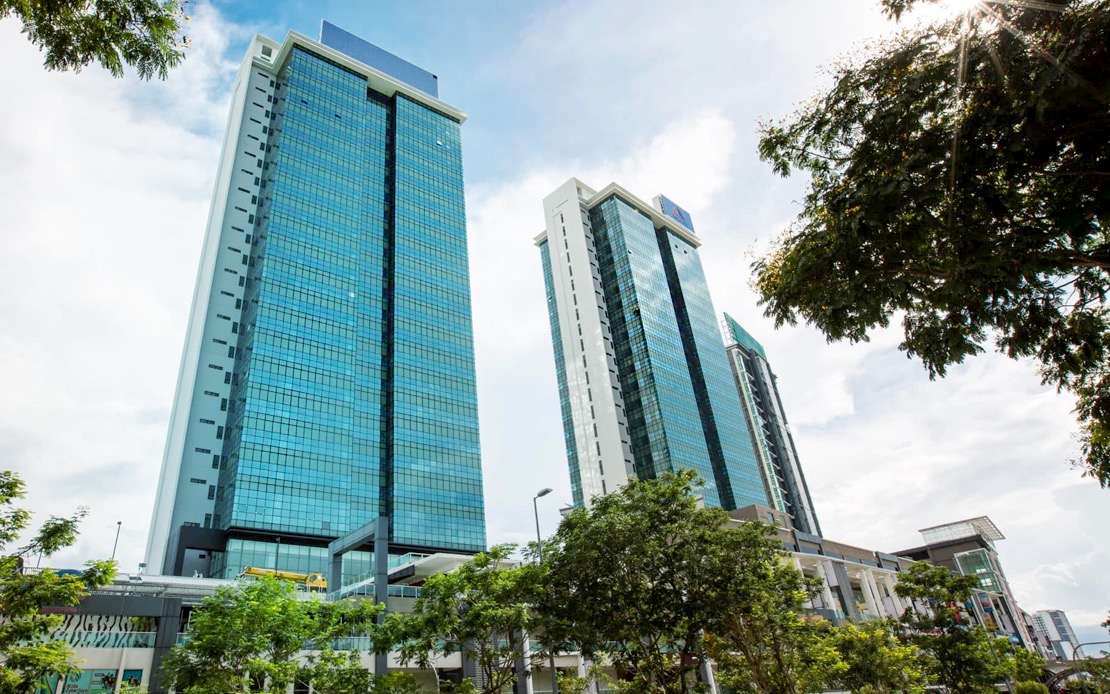
Malaysia is positioning itself as a thought leader in global telecommunications governance by hosting the International Regulatory Conference 2026 next month, a significant step in elevating the country's influence over how the digital world will be regulated and governed. The two-day gathering, scheduled for July 21 and 22 at the Shangri-La Kuala Lumpur, will bring together regulators from multiple jurisdictions, telecommunications industry executives, and policy experts to examine the complex landscape of emerging digital technologies and their regulatory implications.
The conference carries particular weight for Malaysia at a time when the Southeast Asian region is grappling with rapid digital transformation, competing interests between innovation and consumer protection, and the need to establish clear regulatory frameworks that serve as models for other developing economies. By hosting this event under the theme "Shaping the Next Digital Era: Regulation, Resilience and Trust," the Malaysian Communications and Multimedia Commission is signalling its commitment to stewarding a balanced approach to regulation that protects public interests while enabling technological progress.
Communications Minister Datuk Seri Fahmi Fadzil is expected to formally launch the conference, lending ministerial weight to the proceedings and underscoring the government's backing for MCMC's international regulatory engagement. This endorsement reflects a broader strategic commitment to ensuring Malaysia's regulatory voice is heard in global forums where standards and best practices are established. For a middle-income nation competing for digital investment and talent, demonstrating regulatory sophistication and stability is crucial to attracting international technology companies and fostering a thriving digital economy.
The substantive agenda promises robust discussion of several interconnected challenges confronting modern digital societies. Participants will examine how regulators can craft frameworks that address emerging technologies while managing the tension between protecting freedom of expression and safeguarding national security on social media platforms—a perennial dilemma for governments worldwide. The conference will also delve into data privacy protections, a matter of increasing urgency as digital transactions proliferate across the region and citizens become more conscious of how their personal information is collected and used.
The speaker roster reflects the interdisciplinary nature of digital regulation, drawing expertise from multiple sectors and perspectives. Derek John Fernandez, a member of MCMC, will contribute the regulator's viewpoint, while Dr Farah Nini Dusuki from the Human Rights Commission of Malaysia will represent civil society concerns around rights protection. Saskia Blume of the United Nations Children's Fund brings international development expertise, particularly regarding the protection of minors in digital spaces, a concern increasingly prominent in regulatory debates across developed and developing nations.
The inclusion of Dr Vivek Jason Jayaraj from the Ministry of Health suggests the conference will address health-related dimensions of digital regulation, potentially touching on misinformation concerning medical matters and the public health implications of digital platforms. Noelle de Guzman from the Internet Society will provide insights into Asia-Pacific regional approaches, offering comparative context for how different economies are tackling similar challenges. Dr Lai Siew Tim's participation as a clinical psychologist indicates serious consideration of the psychological and social impacts of digital technology, particularly on vulnerable populations.
Technology sector representation comes through Rizwan Hussain of IBM Quantum Sales for the Asia-Pacific and Japan region, ensuring that advanced technology companies can share their perspectives on regulatory requirements and innovation constraints. This balance between public sector, civil society, international organisations, and private sector participants creates space for constructive dialogue that acknowledges the legitimate interests of all stakeholders rather than privileging any single viewpoint.
The conference builds upon the inaugural International Regulatory Conference held in 2024, establishing it as a recurring platform where Malaysia can deepen its role as a regional convener on digital governance matters. By institutionalising this gathering, MCMC is creating infrastructure for ongoing dialogue rather than treating regulatory discourse as episodic. This approach aligns with how other advanced regulators in developed economies have established forums for peer-to-peer learning and collective problem-solving on regulatory challenges.
For Malaysian stakeholders, the conference represents an opportunity to understand how global regulatory trends may eventually shape the local business environment. Companies operating in telecommunications, digital services, content platforms, and adjacent sectors will benefit from exposure to international regulatory thinking and the chance to anticipate future policy directions. Policymakers attending can observe how other jurisdictions are handling similar dilemmas, potentially informing Malaysia's own regulatory evolution.
The emphasis on "resilience" in the conference theme points to growing concerns about digital infrastructure vulnerability and the regulatory frameworks needed to protect critical systems from disruption. In Southeast Asia, where digital infrastructure development remains uneven across countries and where cybersecurity threats are mounting, this discussion holds particular relevance. The focus on "trust" acknowledges that sustainable digital ecosystems require public confidence in both the platforms themselves and the regulatory systems governing them.
Moreover, by hosting this conference, Malaysia contributes to establishing clearer norms around digital governance at a moment when such norms remain contested globally. Countries are pursuing divergent regulatory philosophies, from strict data localisation requirements to varying approaches to content moderation and surveillance. Malaysia's platform provides space to explore whether consensus is possible on fundamental principles or whether the digital world will inevitably fragment into competing regulatory regimes.
The broader geopolitical context matters as well. As major powers compete for influence over global digital governance standards, smaller nations like Malaysia can play an important bridging role by hosting forums that bring together diverse perspectives. This positions the country as a neutral convener rather than an actor pursuing narrow strategic interests, enhancing its soft power and credibility in international affairs.
The International Regulatory Conference 2026 thus represents more than a technical gathering of telecommunications specialists. It reflects Malaysia's ambition to lead regional thinking on how societies should govern the digital economy as it becomes increasingly central to development, security, and social cohesion. The success of this conference will likely influence whether Malaysia can establish itself as a reference point for digital regulatory innovation in Southeast Asia and beyond.

