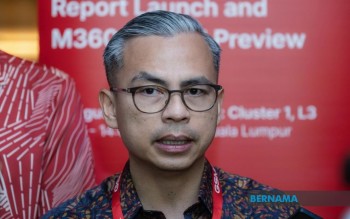
Malaysia has been selected to host M360 ASEAN 2026, a landmark telecommunications and digital innovation summit that will take place in Kuala Lumpur on September 9 and 10. This assignment represents a significant endorsement of the nation's standing within Southeast Asia's rapidly evolving technology landscape and is poised to elevate Malaysia's profile as a regional leader in digital infrastructure and artificial intelligence development.
Communications Minister Datuk Seri Fahmi Fadzil highlighted the strategic importance of the occasion, emphasising that hosting the GSMA-organised event constitutes a notable honour for the country. The gathering will attract a diverse cross-section of stakeholders from across the ASEAN bloc, including telecommunications operators, technology vendors, industry specialists, investment firms, academic institutions, and government delegations. This convergence of decision-makers and innovators provides Malaysia with a unique platform to showcase its regulatory frameworks and technological capabilities to influential regional players.
The selection carries particular significance because M360 ASEAN 2026 will be the inaugural edition held in Malaysia and, more broadly, the first instance of this summit being hosted anywhere within ASEAN territory. This pioneering status positions Kuala Lumpur as the epicentre for regional dialogue on digital sector priorities during a critical period of technological transition. The timing arrives as Southeast Asia grapples with accelerating digital transformation and the need for coordinated approaches to emerging opportunities and challenges.
According to projections presented by GSMA, mobile technologies and associated services are forecast to contribute approximately US$1.4 trillion to the Asia-Pacific economy by 2030, representing a substantial 40 per cent increase from the current US$1 trillion baseline. This trajectory underscores the outsized economic importance of telecommunications infrastructure and digital services to regional prosperity. For Malaysia, these figures illustrate why positioning itself as a thought leader in these domains carries tangible implications for attracting investment and fostering innovation ecosystems.
The summit agenda will address four converging priorities that are fundamentally reshaping how digital economies function across the region. The rapid proliferation of artificial intelligence capabilities stands foremost among these concerns, as nations and enterprises scramble to harness AI's potential whilst managing associated risks. Malaysia's participation in charting a regional response to AI governance and implementation will enhance its voice in shaping technology standards and best practices.
Decline in public and institutional trust in digital systems and platforms constitutes the second priority, reflecting widespread concerns about data privacy, cybersecurity breaches, and platform accountability. This issue resonates deeply throughout Southeast Asia, where rapid digitalisation has sometimes outpaced the development of robust consumer protections and regulatory guardrails. Malaysian policymakers can leverage the forum to highlight their own approaches to rebuilding digital confidence and to learn from peers addressing similar challenges.
The third convergence concerns the imperative to construct more resilient digital infrastructure capable of withstanding disruptions, whether from natural disasters, cyber attacks, or technical failures. ASEAN nations have demonstrated vulnerability to infrastructure breakdowns that undermine economic activity and public services. Hosting discussions on infrastructure hardening and redundancy provides Malaysia with an opportunity to position itself as a centre for technical expertise and systems thinking.
Finally, the rising emphasis on digital sovereignty reflects ASEAN's desire to develop indigenous technological capabilities rather than remaining dependent upon non-regional technology giants. This agenda aligns closely with Malaysia's own strategic technology initiatives. The summit will facilitate dialogue on how ASEAN nations can build competitive domestic industries whilst maintaining international competitiveness—a delicate balance that Malaysia's own experience can illuminate.
Fahmi stressed that M360 ASEAN 2026 will furnish a venue for comprehensive regional dialogue regarding the future orientation of the digital economy. Participants will examine mechanisms for extending connectivity infrastructure across more remote and underserved areas whilst simultaneously establishing frameworks for responsible AI deployment. The emphasis on responsible innovation reflects growing awareness that technological advancement divorced from ethical consideration risks creating unforeseen social and economic dislocations.
Beyond the formal agenda, the summit offers Malaysia soft power advantages in the region. Hosting showcases the nation's conference infrastructure, hospitality capabilities, and regulatory sophistication to international audiences. The event will generate media coverage amplifying Malaysia's technological narrative and may catalyse follow-on investments from firms seeking regional hubs.
For Malaysian enterprises in telecommunications, software development, and digital services, the influx of senior regional visitors and international investors presents networking and business development opportunities. Local companies can demonstrate innovations and competencies to potential partners and clients without geographic barriers.
The selection also reflects confidence in Malaysia's political and economic stability during a period when some regional uncertainty persists. The GSMA's decision to locate this premier ASEAN event in Kuala Lumpur sends a signal about Malaysia's institutional capacity and commitment to supporting the regional technology agenda. This endorsement carries weight as other nations compete for status and investment within Southeast Asia's digital economy.

