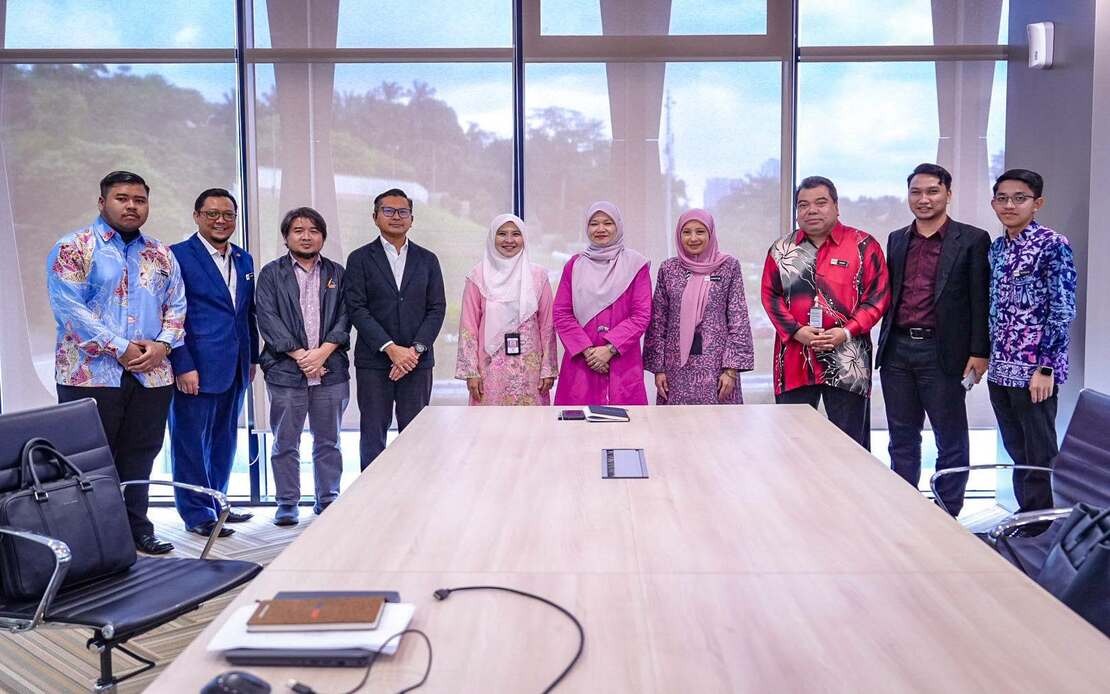
Malaysia's Education Ministry is preparing to deploy a nationwide advocacy initiative centred on three critical pieces of child protection legislation, signalling a renewed commitment to safeguarding young people within the education system. Education Minister Fadhlina Sidek announced the plans following consultations with the Human Rights Commission of Malaysia (SUHAKAM), during which officials discussed implementation strategies for raising awareness about the Child Act 2001, the Anti-Bullying Act 2026, and the Sexual Offences Against Children Act 2017.
The collaboration represents an escalation of efforts to address persistent concerns around student safety. During the meeting convened in Kuala Lumpur, delegations led by SUHAKAM's Children's Commissioner Dr Farah Nini Dusuki and Dr Mohd Al Adib Samuri highlighted existing challenges in Malaysian schools, particularly surrounding bullying incidents and sexual harassment. The acknowledgment of these issues underscores the growing recognition that systemic action through education channels can effectively reach both students and educators at critical touchpoints.
The initiative's scope encompasses all three legislative frameworks that constitute Malaysia's primary defences against child exploitation and mistreatment. The Child Act 2001 establishes foundational protections for minors, while the Anti-Bullying Act 2026 addresses peer-to-peer harm that has increasingly become a flashpoint in schools nationwide. The Sexual Offences Against Children Act 2017 criminalises various forms of sexual misconduct, yet awareness gaps remain significant among younger populations who may not recognise warning signs or understand reporting mechanisms available to them.
Fadhlina's commitment to positioning child welfare as non-negotiable reflects broader governmental concern about gaps between legislative provisions and ground-level enforcement. Schools serve as ideal platforms for such advocacy, given their capacity to reach entire cohorts systematically. Rather than relying solely on reactive policing or judicial interventions, this proactive educational approach aims to build protective cultures where children understand their rights and possess confidence in institutional safeguards.
The partnership with SUHAKAM proves particularly valuable given the commission's independent mandate and expertise in monitoring human rights compliance. SUHAKAM's involvement lends credibility to the initiative and positions it beyond ministerial self-interest, suggesting genuine accountability mechanisms will accompany the advocacy rollout. The commission's track record of scrutinising systemic failings means recommendations emerging from these discussions likely incorporate hard-won lessons from previous cases where institutional blindspots enabled harm.
Southeast Asia's education sector has grappled with endemic bullying and safety concerns for years, making Malaysia's structured response noteworthy. Regional peers including Thailand and the Philippines have implemented similar campaigns, yet implementation remains inconsistent across different states and school types. Malaysia's centralised education system, while sometimes criticised for rigidity, provides structural advantages for uniform advocacy deployment—ensuring rural and urban schools receive comparable messaging and training.
The timing of this initiative aligns with increasing parental and public scrutiny of school safety standards. Documented cases of severe bullying, sexual harassment, and institutional cover-ups have generated sustained media attention and triggered parliamentary questions. By channelling resources toward preventive awareness rather than perpetually responding to crises, the Education Ministry demonstrates learning from previous shortcomings. However, advocacy programmes succeed only when buttressed by tangible changes in how schools investigate complaints and hold perpetrators accountable.
Implementation specifics remain undisclosed, but effective rollout will require training educators to deliver age-appropriate content, establishing clear reporting pathways, and ensuring confidentiality protections encourage disclosure. Teachers themselves often lack expertise in recognising abuse indicators or handling disclosures appropriately; professional development cannot be an afterthought. Additionally, programmes must acknowledge that Malaysian school contexts include diverse socioeconomic backgrounds, religious orientations, and family structures—messaging that resonates across this spectrum requires cultural sensitivity.
For Malaysian families, this advocacy expansion represents tangible evidence that institutions are investing in prevention rather than waiting for tragedies to necessitate reactive reform. Children equipped with knowledge about their statutory protections and confidence in reporting structures become more resilient against exploitation. Parents gain reassurance that schools actively reinforce messages about bodily autonomy and appropriate boundaries that families convey at home.
Regional observers will watch Malaysia's implementation closely, particularly whether advocacy translates into measurable changes in reporting rates, disciplinary outcomes, and student perceptions of safety. Paradoxically, initial surges in reported incidents often accompany successful awareness campaigns—as previously unreported abuse surfaces—potentially creating short-term public relations challenges before reflecting genuine improvement. Sustaining political will through such phases proves critical.
The undertaking also reflects evolving recognition that child protection transcends any single agency. Schools cannot solve problems originating in homes or communities, yet they occupy unique positions as regular touchpoints for vulnerable young people. SUHAKAM and the Education Ministry's coordinated approach models the inter-institutional collaboration increasingly essential for addressing complex social issues. Success ultimately depends on follow-through: converting ministerial announcements into classroom reality, equipping educators with resources, and maintaining momentum across electoral cycles.

