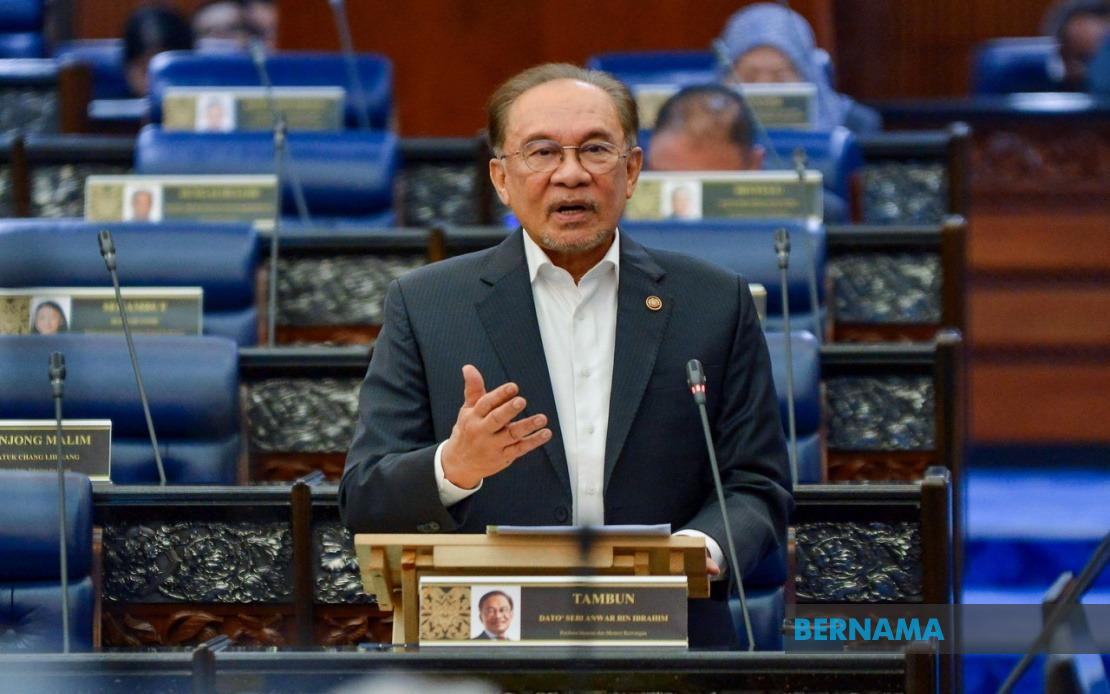
Prime Minister Datuk Seri Anwar Ibrahim has pledged that Malaysia's government will continue to carefully assess the genuine need for foreign workers while prioritising job opportunities for local workers, striking a balance between protecting employment for citizens and addressing legitimate sectoral labour shortages. Speaking in parliament on July 14, Anwar acknowledged the complex challenge facing policymakers: how to support businesses that genuinely require foreign expertise and labour without displacing Malaysian workers or enabling the exploitation and corruption that has long characterised parts of the foreign worker system.
The Prime Minister's statement reflects growing tension between competing economic pressures. Small and medium enterprises across construction, manufacturing, hospitality, and agriculture have increasingly reported difficulties finding sufficient workers to fill vacancies, with some sectors claiming they cannot expand operations or complete projects without access to foreign labour. Simultaneously, concerns persist among Malaysian youth and workers about job scarcity and fair wages, making the issue politically sensitive and requiring careful calibration of policy responses.
Anwar stressed that any expansion of foreign worker quotas would require stringent coordination between the Ministry of Human Resources and the Ministry of Home Affairs, with security considerations forming a crucial component of decision-making. This inter-ministerial approach signals an intention to move beyond ad-hoc hiring practices toward a more systematic evaluation process. The government's emphasis on security reflects longstanding concerns about irregular workers, human trafficking networks, and the potential for foreign workers to become vectors for criminal activity or extremism if not properly vetted and monitored.
A significant aspect of the government's framework involves prioritising existing foreign workers already employed and residing in Malaysia. Rather than automatically approving new foreign worker recruitment, the administration intends to ensure that vacant positions are first offered to legal migrant workers already in the country. This approach aims to maximise economic utility of migration policy while reducing the administrative burden and security risks associated with large-scale new recruitment drives. It also reflects recognition that millions of foreign workers already integrated into Malaysian society represent an established workforce that could be redeployed to address sector-specific shortages.
Anwar's comments directly addressed concerns about foreign worker syndicates, which he characterised as a longstanding burden on the economy and a mechanism through which individuals have accumulated illicit wealth. These criminal networks, which profit by illegally recruiting, documenting, and placing foreign workers while extracting substantial fees, have drawn international criticism and contributed to human rights abuses. By acknowledging this problem and signalling intent to address it, the Prime Minister recognised both the moral dimension of foreign worker exploitation and its economic costs to legitimate businesses and workers.
Enforcement mechanisms form the cornerstone of the government's approach. Anwar committed to strengthening action against foreign workers who violate labour laws, immigration regulations, or criminal statutes, emphasising that enforcement would apply equally regardless of nationality or ethnicity. This statement carries particular significance given historical tensions surrounding the treatment of Rohingya and other vulnerable migrant communities in Malaysia, suggesting the government intends to maintain a principles-based approach rather than allowing discrimination to guide policy application.
The government has also identified concerning trends regarding foreign professional workers, particularly in emerging sectors such as artificial intelligence and digital technology. Anwar revealed that some companies have exploited the approval process for bringing in skilled foreign experts by hiring workers whose actual roles and qualifications do not match the expertise categories for which they were approved. This regulatory arbitrage represents both a loss of opportunity for Malaysian workers seeking careers in high-value sectors and a drain on national resources supporting professional development initiatives. The government's stated intention to tighten entry requirements for foreign professional workers aims to close these loopholes while ensuring that genuine expertise gaps are addressed through legitimate channels.
For Malaysian policymakers, the balancing act reflects broader challenges facing the region's middle-income economies. As Malaysia seeks to develop high-skill sectors including artificial intelligence, advanced manufacturing, and digital services, competition for specialized talent intensifies internationally. Yet simultaneously, concerns about underemployment among Malaysian graduates and youth unemployment remain pressing social issues. The government's approach attempts to thread this needle by maintaining selective openness to foreign expertise while implementing stronger safeguards against abuse and displacement of local workers.
The implications for businesses are mixed. Companies operating in genuinely labour-intensive sectors with documented shortages may eventually gain access to additional foreign workers, provided they navigate the strengthened bureaucratic requirements and demonstrate that recruitment has followed established channels and prioritised existing foreign workers. However, those seeking to import workers as a cost-reduction strategy or to circumvent domestic labour standards face a more restrictive environment. This distinction between legitimate and exploitative labour migration practices represents the government's attempt to support productive economic activity while combating underground and criminal hiring practices.
Regional observers note that Malaysia's approach differs from neighbouring countries' more restrictive stances toward foreign workers. While Thailand, Singapore, and Vietnam maintain varying degrees of selectivity in foreign worker policies, Malaysia historically has relied relatively heavily on migrant labour across multiple sectors. The government's effort to reassess this dependency while maintaining pragmatic recognition of sectoral needs suggests a gradual recalibration rather than fundamental policy reversal, likely reflecting both economic realities and political pressure to protect local employment.
The government's commitment to joint study by human resources and home affairs ministries suggests timelines for concrete policy adjustments remain uncertain. Nevertheless, Anwar's public reaffirmation of these principles signals clear direction to business sectors and provides a framework for stakeholder engagement. Industries dependent on foreign labour now understand that expansion of worker quotas will require demonstration of genuine need, documentation of recruitment through legal channels, and verification that local workers have been given priority consideration.

