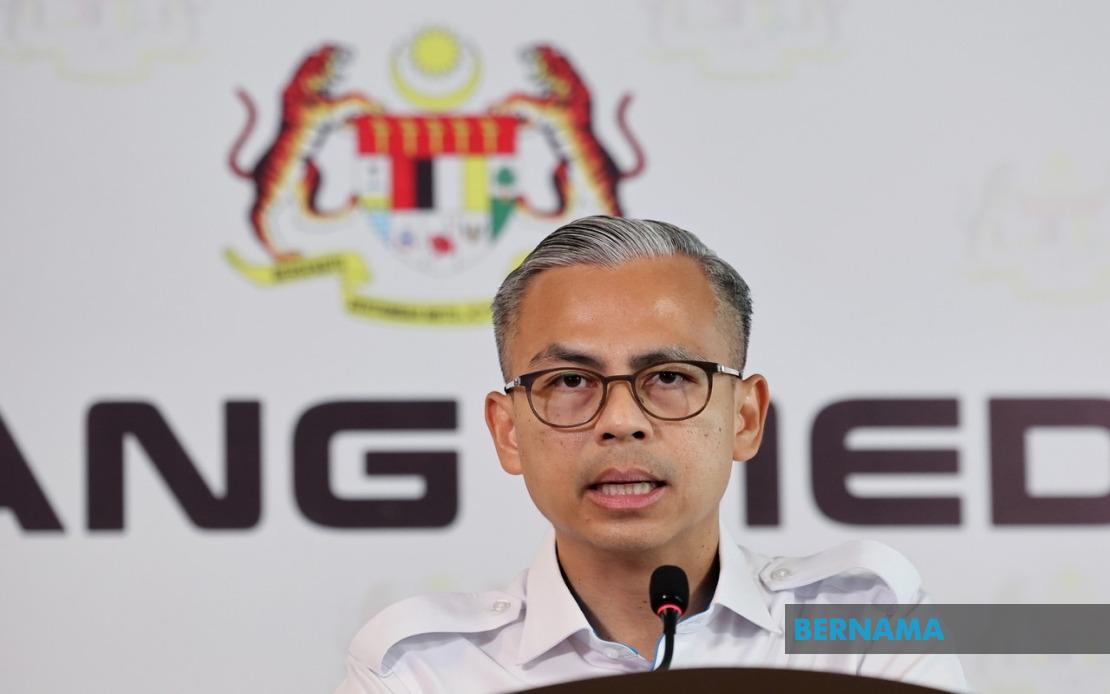
The Malaysian government is moving swiftly to establish a comprehensive regulatory framework for e-commerce platforms operating within the country, with immediate steps to be undertaken by the Finance Ministry and the Ministry of Communications. The decision, announced following a Cabinet meeting in Putrajaya on August 26, represents a significant policy shift as authorities seek to balance consumer protection with support for the rapidly expanding digital commerce sector that has become integral to Malaysia's economy.
Communications Minister Datuk Seri Fahmi Fadzil framed the regulatory initiative as a consumer protection measure, emphasising that the Cabinet's action stems from complaints received by Prime Minister Datuk Seri Anwar Ibrahim from multiple stakeholders. These include individual consumers, representatives from e-commerce platforms themselves, and traditional brick-and-mortar retailers who have raised concerns about the competitive landscape and regulatory gaps. The breadth of this complaint base suggests the government is attempting to address legitimate grievances across the entire spectrum of affected parties rather than targeting specific platforms or business models.
Among the primary concerns driving this regulatory push is the quality and safety compliance of electrical and electronic products sold through digital channels. Fahmi highlighted that certain items offered on e-commerce platforms may not meet Malaysian safety standards, creating potential risks for consumers who purchase without adequate verification mechanisms. This issue has emerged as particularly acute given the exponential growth of cross-border e-commerce, where products sourced from various jurisdictions may not comply with local requirements. The government is emphasising that electrical and electronic goods must meet standards established by SIRIM, the Standards and Industrial Research Institute of Malaysia, which serves as the national standards body.
Another significant regulatory concern centres on the authenticity and proper labelling of halal-certified products sold through digital marketplaces. Malaysia's Muslim-majority population represents the primary consumer base for such products, and ensuring the integrity of halal certification has long been a government priority. Fahmi noted that complaints received have included questions about the legitimate halal status of certain items, suggesting instances where products may be misrepresented as halal-compliant when they do not meet established Islamic dietary requirements. This dimension reflects how e-commerce platforms create unique verification challenges compared to traditional retail environments where regulatory oversight is typically more straightforward.
The government has been careful to clarify that these regulatory measures do not constitute an attempt to shut down or severely restrict e-commerce operations. Instead, Fahmi articulated that the primary objective is ensuring all products offered through digital channels comply with applicable standards and regulations. This nuanced approach reflects recognition that e-commerce platforms contribute substantially to Malaysia's digital economy and provide convenience and accessibility benefits to consumers, particularly in rural areas where traditional retail options remain limited. The regulatory framework therefore aims to enhance rather than hinder the sector's development.
The Malaysian Communications and Multimedia Commission (MCMC) has already accumulated significant data documenting the scale of consumer concerns. Between January 1, 2025 and August 25, 2025, MCMC received 1,964 complaints related to e-commerce platform sales and related matters, with 1,147 filed in 2025 alone. These complaints encompassed various categories including scams, fraudulent transactions, and product safety issues. Specifically, 191 complaints involved electrical or electronic products and only four directly concerned the authenticity of halal status claims, suggesting that while these high-profile issues exist, the broader complaint landscape encompasses a wider range of consumer grievances including fraud and deceptive practices.
Existing regulatory mechanisms within Malaysia already provide partial infrastructure for this expansion. The Inland Revenue Board (IRB) maintains established registration and compliance processes, and the Finance Ministry possesses mechanisms for monitoring financial transactions. The MCMC has developed relevant experience through its previous licensing framework for social media platforms, which offers a template for how to engage with large-scale digital service providers while addressing specific regulatory concerns. Fahmi indicated that similar engagement and discussion models could potentially be adapted for e-commerce operators, suggesting a graduated approach rather than sudden imposition of onerous requirements.
The planned engagement sessions between government agencies and e-commerce platform operators will prove crucial for determining the precise contours of the registration framework. These discussions will need to address practical implementation questions including the mechanics of registration, compliance verification procedures, ongoing reporting requirements, and enforcement mechanisms. The government's indication that it will consult directly with platform operators suggests an attempt to develop proportionate regulations that protect consumers without creating undue operational burdens that might disadvantage Malaysian e-commerce businesses relative to international competitors.
For Malaysian consumers, these regulatory developments carry both immediate and longer-term implications. In the near term, the registration requirements and compliance verification processes should gradually reduce the incidence of substandard or misrepresented products, though consumer vigilance remains essential during the transition period. The regulatory clarity will also provide legal recourse mechanisms for consumers who encounter non-compliant products. Longer-term, these measures may accelerate industry consolidation, potentially benefiting well-established platforms with resources to navigate regulatory requirements while challenging smaller operators with more constrained compliance capacity.
The timing of this regulatory initiative reflects broader regional trends toward greater oversight of digital commerce platforms. Similar regulatory moves have emerged across Southeast Asia as governments balance innovation with consumer protection and taxation concerns. Malaysia's approach, emphasising consultation and gradual implementation rather than sudden restrictions, may serve as a model for regional policymakers seeking to modernise regulatory frameworks without stifling digital economic growth. The effectiveness of this regulatory model will depend significantly on the quality of ongoing engagement between government agencies and platform operators, and the responsiveness of both parties in addressing implementation challenges as they emerge.

