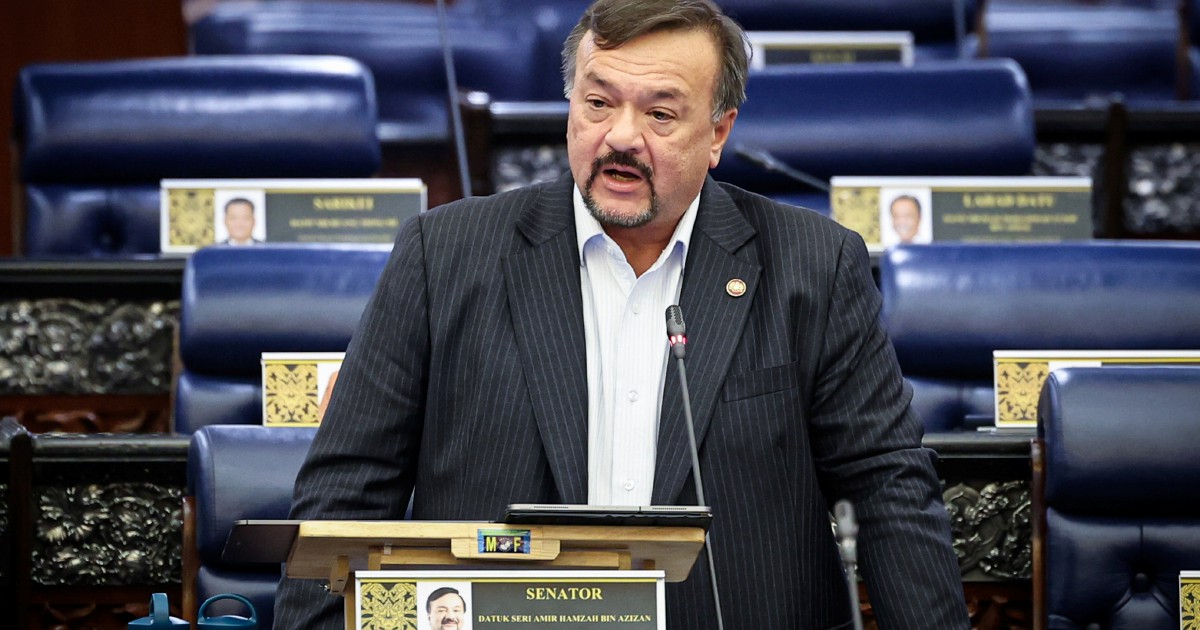
The Malaysian government is examining proposals to establish a coordinated multi-agency task force that would oversee investigations into suspected irregularities at Tabung Haji, according to Finance Minister II Datuk Seri Amir Hamzah Azizan. The move signals growing official concern about the handling of the pilgrimage fund and reflects a commitment to centralising the investigative process across multiple authorities already examining the institution.
Tabung Haji, which manages savings for Malaysian Muslims intending to perform the pilgrimage to Mecca, has faced mounting scrutiny over alleged financial mismanagement and questionable transactions. The institution, which holds deposits from millions of Malaysians, has been at the centre of public debate regarding oversight and corporate governance standards. Establishing a dedicated task force would represent an institutional response to consolidate what has previously been a fragmented approach to investigating concerns.
The rationale for a coordinated task force reflects recognition that separate investigations by different agencies risk duplication of effort, inconsistent findings, and slower progress toward resolving alleged wrongdoing. Financial crimes and institutional misconduct often involve multiple regulatory domains—banking supervision, anti-corruption enforcement, securities oversight, and criminal investigation—each of which may have jurisdictional interests in Tabung Haji's operations. A unified command structure could streamline evidence-gathering, ensure consistent standards of investigation, and prevent gaps in coverage.
For Malaysian depositors and intending pilgrims, the implications are significant. Tabung Haji holds the savings of approximately 7.7 million Malaysians, making it one of the nation's most systemically important financial institutions for a specific demographic. Any loss of confidence in the fund's management or delays in addressing suspected irregularities could undermine public trust and prompt withdrawals that affect the institution's stability. A credible, professional investigation coordinated at the highest administrative level may reassure depositors that their funds are being protected.
The formation of such a task force would also demonstrate political will to address governance failures in state-owned enterprises. Malaysian institutional frameworks have occasionally been criticised for slow or incomplete investigations into corporate misconduct, particularly when government entities are involved. A visible, multi-agency approach sends a signal to the public and to oversight bodies that authorities are treating allegations seriously and deploying resources commensurate with the scale of potential exposure.
International best practice in financial investigations increasingly emphasises cross-agency coordination. In jurisdictions ranging from Hong Kong to Singapore to Australia, coordinated task forces combining regulatory expertise, law enforcement, and forensic specialists have become standard mechanisms for investigating complex institutional failures. Malaysia's consideration of such a model aligns the country with established international approaches and may enhance the quality and credibility of findings.
The timeframe for establishing such a task force and the composition of participating agencies remain unspecified. Potential stakeholders could include the Securities Commission, Bank Negara Malaysia, the Malaysian Anti-Corruption Commission, the Royal Malaysia Police, and the Attorney General's Chambers. Each brings distinct investigative capabilities and mandates. Bank Negara's supervisory expertise, the anti-corruption agency's specialisation in abuse of power, and police investigative resources would collectively provide comprehensive coverage.
Regionally, Malaysia's approach to investigating Tabung Haji has attracted interest from neighbouring economies where pilgrimage funds and religious endowments similarly manage substantial public assets. A professional, transparent investigation could establish a template for how Southeast Asian nations address governance challenges within faith-based financial institutions, many of which face comparable pressures regarding transparency and stakeholder protection.
The government's consideration of this measure also reflects broader conversations within Malaysia regarding institutional accountability and the pace of accountability mechanisms. Public expectations for swift, visible action on allegations have grown, particularly when large pools of public savings are at stake. Delay in investigation can itself erode confidence and contribute to reputational damage extending beyond the institution itself to the government's credibility in financial oversight.
While the formal announcement of the task force has not yet been made, the Finance Minister's statement indicates that policy deliberations are advancing. The establishment of such a body would likely be followed by publication of investigative parameters, timelines, and expected outcomes. Transparency regarding the task force's mandate and composition would be essential to maintaining public confidence in the process.
For investors and analysts monitoring Tabung Haji's corporate governance trajectory, the proposal represents a critical institutional juncture. Effective investigation and remediation of governance failures could facilitate institutional recovery and restoration of public confidence. Conversely, any perception that investigations are incomplete, politically influenced, or inadequately resourced would compound reputational challenges and potentially accelerate the need for structural reform within the pilgrimage fund.

