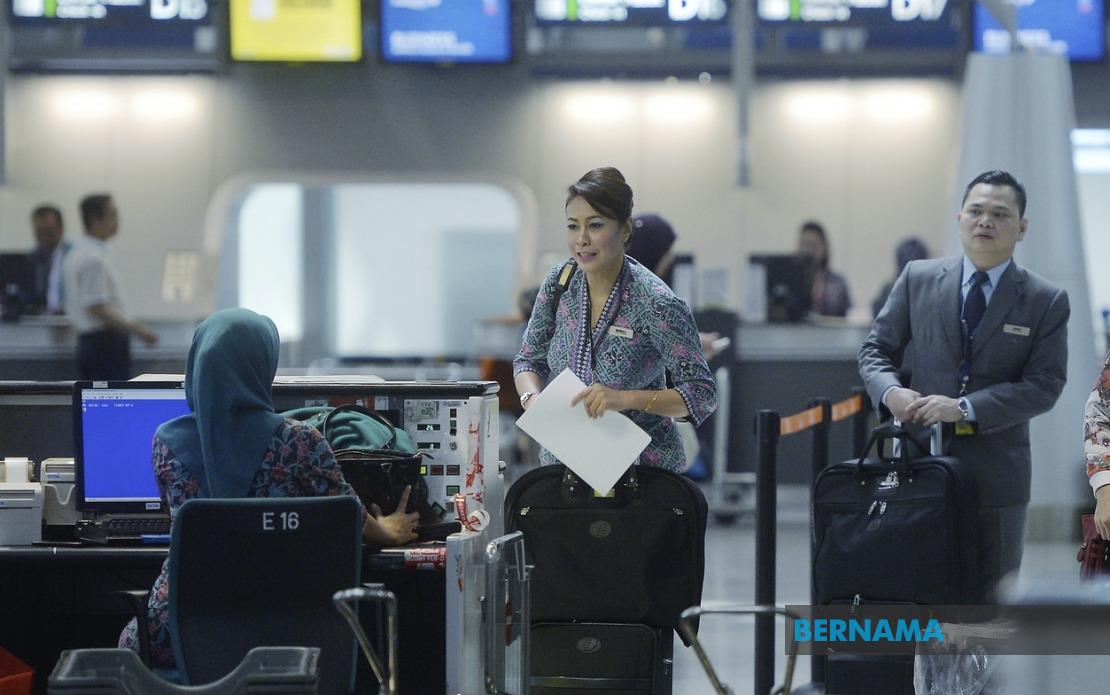
Malaysian authorities are moving to significantly strengthen security screening procedures for pilots and flight crew across the nation's airports, a response to the high-profile case of a Malaysian pilot arrested in Indonesia on suspicion of attempting to smuggle narcotics. Datuk Seri Mohd Shuhaily Mohd Zain, director-general of the Malaysian Border Control and Protection Agency (AKPS), disclosed the enhancement initiative during a press conference in Sepang on August 3, emphasizing that all relevant agencies are treating the matter with considerable gravity.
The decision stems from the arrest of a 39-year-old Malaysian pilot on July 29 at Jakarta's Soekarno-Hatta International Airport after he arrived from a regular passenger flight originating from Kuala Lumpur. According to Indonesia's Director-General of Customs and Excise, Djaka Budi Utama, the pilot was suspected of concealing approximately 25 kilogrammes of ecstasy, valued at around Rp60 billion, within his luggage. The discovery has triggered introspection within Malaysia's aviation security framework and prompted urgent dialogue among key stakeholders.
A coordinating meeting held on August 3 and chaired by Transport Ministry secretary-general Datuk Seri Jana Santhiran Muniayan brought together representatives from AKPS, the Royal Malaysia Police (PDRM), and Malaysia Aviation Group (MAG) to evaluate existing security protocols and identify vulnerabilities. The participation of Malaysia Aviation Group signals the aviation industry's direct involvement in fortifying defences against potential misuse of crew privileges. Mohd Shuhaily confirmed that all three organizations recognize the severity of the breach and are committed to implementing corrective measures.
The particularly troubling aspect of this case lies in the fact that the suspect successfully cleared all security screening procedures at Kuala Lumpur International Airport (KLIA) before his departure on July 28. Standard security protocols, including scanner-based luggage inspection, reportedly revealed no suspicious indicators that would have triggered further investigation. The drugs were not detected during routine screening despite the substantial quantity involved, raising questions about the efficacy of current detection systems and procedural compliance.
Mohd Shuhaily acknowledged this security gap, noting that authorities are still gathering intelligence from PDRM to understand how the suspect managed to circumvent existing safeguards. He explained that the items and luggage in question produced no alarming images during scanner analysis, prompting the pilot to proceed through KLIA without additional scrutiny. This revelation highlights potential blind spots in Malaysia's airport security apparatus and the pressing need for systematic review.
Under the enhanced framework being developed, all pilots and crew members will undergo substantially more rigorous screening procedures going forward. The AKPS director-general indicated that comprehensive vetting measures will be implemented in the near future, though specific details regarding the nature and scope of these additional checks remain under development. The commitment extends beyond technology improvements to encompass broader personnel management protocols.
For Malaysian readers and the broader Southeast Asian aviation community, this development underscores the ongoing tension between operational efficiency and security imperatives at international airports. Pilots and crew members occupy unique positions within airport security ecosystems, as they typically benefit from expedited processing to accommodate tight flight schedules. However, this case demonstrates that such privileges can potentially be exploited for illicit purposes, forcing authorities to recalibrate the balance between convenience and vigilance.
The incident also reflects wider regional concerns about drug trafficking networks that leverage transportation infrastructure and trusted personnel to move contraband across borders. Southeast Asia remains a critical transit corridor for narcotics destined for global markets, and aviation pathways present tempting opportunities for organized criminal syndicates. Malaysian authorities, by taking proactive steps, are signalling their commitment to preventing such exploitation.
The Malaysia Aviation Group's active participation in the remedial effort is noteworthy, as it indicates the private aviation sector's vested interest in maintaining operational integrity and protecting institutional reputation. Airlines depend on public confidence in their security measures, and high-profile incidents involving crew members can erode traveller trust and invite heightened regulatory scrutiny from international aviation bodies.
The timing of these enhancements also reflects Malaysia's broader positioning within global aviation security standards. The International Civil Aviation Organization (ICAO) establishes baseline security requirements that member states must adopt, but individual nations are increasingly expected to exceed minimum standards. Malaysia's decision to strengthen pilot and crew screening demonstrates responsiveness to international best practices and a willingness to adopt stricter measures where vulnerabilities are identified.
Authorities have not yet disclosed the complete scope of enhancements being contemplated, but observers anticipate that revised procedures may include more rigorous background investigations, enhanced biometric systems, random secondary screening protocols, and possibly restrictions on crew members transporting personal luggage through certain airport facilities. The involvement of PDRM suggests that law enforcement intelligence will play an expanded role in vetting aviation personnel.
The case also raises questions about coordination between Malaysian authorities and their Indonesian counterparts in the investigation and prosecution phases. As the arrest occurred in Indonesian territory, cooperation between national agencies will be essential for a comprehensive understanding of how the smuggling operation functioned and whether broader networks are implicated.
Moving forward, the success of Malaysia's enhanced screening regime will depend on effective implementation, adequate resource allocation, and sustained commitment from all stakeholders. AKPS and partner agencies must ensure that new procedures do not create excessive operational disruptions while meaningfully improving security outcomes. The coming weeks will reveal the precise nature of measures being introduced and their likely impact on airport operations and aviation personnel throughout the country.

