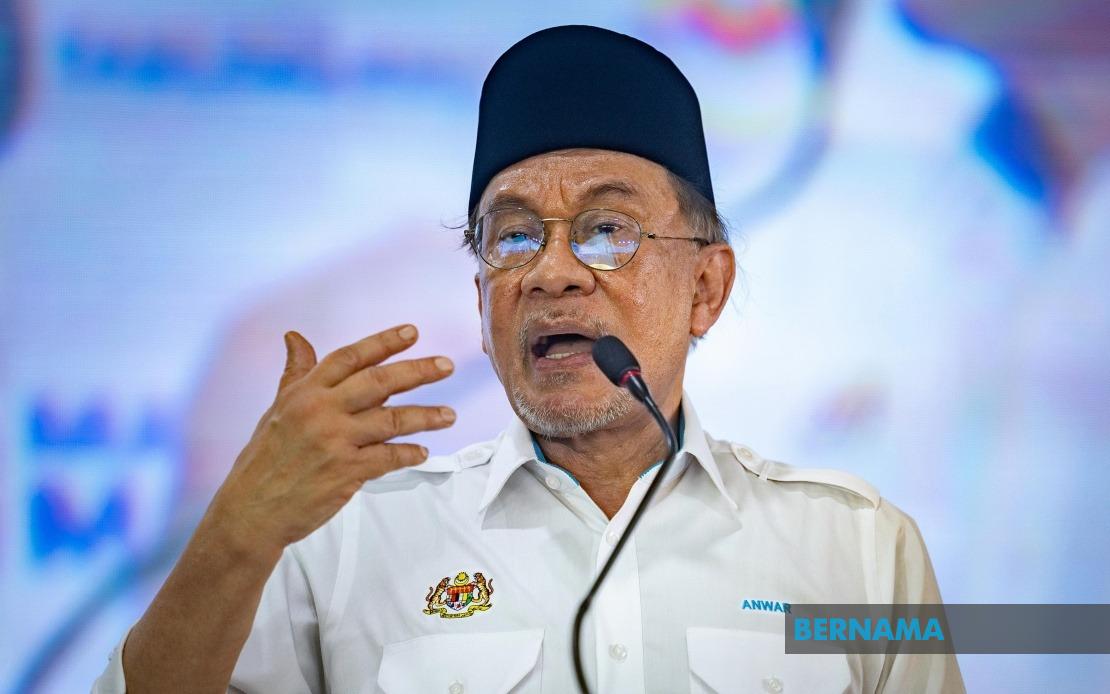
Prime Minister Datuk Seri Anwar Ibrahim has reaffirmed the government's determination to strengthen Islamic and pondok schools throughout Malaysia, pledging sustained investment and support for these traditional educational institutions. Speaking at the 2026 Perak Pondok and Religious Schools Gathering in Ipoh on July 19, Anwar underscored the critical role these establishments play in preserving Islamic heritage while adapting to contemporary challenges facing the nation's education sector.
The Premier acknowledged that pondok schools historically served as vital centres of learning for generations of Malaysians, yet their influence diminished as society modernized and knowledge demands expanded beyond religious disciplines. He recognized that many of these institutions struggled to keep pace with rapid technological advancement and the emergence of new academic fields, creating a widening gap between traditional religious education and skills required in today's digital economy. This gap, if left unaddressed, risks relegating pondok schools to the periphery of Malaysia's educational landscape rather than positioning them as respected contributors to national human capital development.
Despite these challenges, Anwar expressed admiration for religious teachers, pondok administrators, and senior Islamic scholars who have demonstrated remarkable flexibility and forward-thinking vision. These leaders have maintained unwavering commitment to preserving classical Islamic texts and theological traditions while simultaneously embracing opportunities to introduce computer technology and artificial intelligence into their curricula. This dual commitment represents a pragmatic approach that neither abandons Malaysia's Islamic identity nor ignores the practical skills young graduates need to compete in knowledge-based industries.
The Prime Minister's remarks carry particular significance given Malaysia's broader economic transformation agenda. As the nation seeks to position itself as a regional technology hub and develop a competitive digital economy, integrating modern digital skills into religious education becomes strategically important. Students graduating from pondok schools equipped with both classical Islamic training and AI literacy represent a distinctive human resource advantage, capable of serving roles in faith-based technology sectors, Islamic fintech, and other emerging fields that blend spiritual values with technical expertise.
Anwar specifically commended the Malaysia Digital Economy Corporation (MDEC) and the Implementation Coordination Unit (ICU) within the Prime Minister's Department for their collaborative efforts in supporting religious school modernization. These agencies have worked to facilitate technology transfer and capacity-building programmes, helping educators integrate digital tools into teaching methodologies without compromising the spiritual and intellectual foundations of Islamic instruction. Such institutional partnerships demonstrate the government's seriousness about translating policy commitments into tangible, on-ground improvements.
The government's investment in this sector also reflects demographic and social realities within Malaysia. Thousands of students across the country attend pondok schools, many from economically disadvantaged backgrounds for whom these institutions represent their primary path to education. Supporting their development directly addresses equity concerns and ensures that geographic or economic circumstances do not prevent young Malaysians from acquiring skills needed for future employment. Enhanced pondok schools can therefore function as important instruments of social mobility and inclusive growth.
Anwar's pledge came with conditional caveats tied to economic stability and public health—commitments made with the caveat "insya-Allah" and dependent upon continued economic growth. This carefully qualified assurance reflects the administration's awareness that sustained funding for educational infrastructure upgrades requires fiscal headroom. Nevertheless, the public commitment made before religious educators and state officials creates political accountability, making it difficult for successive administrations to abandon these pledges without facing criticism from stakeholders.
The gathering itself, attended by Perak Menteri Besar Datuk Seri Saarani Mohamad, Minister in the Prime Minister's Department (Religious Affairs) Dr Zulkifli Hasan, and Chief Secretary to the Government Tan Sri Shamsul Azri Abu Bakar, underscored the government's institutional commitment to this agenda. The presence of multiple senior officials signals that pondok school development is not a peripheral concern but rather a coordinated policy initiative spanning religious affairs, economic development, and administrative functions.
For Southeast Asian observers, Malaysia's approach offers a model for how Muslim-majority nations can pursue modernization without abandoning religious institutions. Rather than treating traditional Islamic schools as obstacles to development, the MADANI Government frames them as platforms for innovation where spiritual education and technological advancement can coexist. This approach potentially influences regional discussions about balancing religious identity with economic competitiveness.
The specific focus on artificial intelligence and computer technology also positions pondok school graduates to participate in Malaysia's broader vision for becoming a regional AI hub. If successfully implemented, these graduates could contribute to developing AI applications that reflect Islamic ethical principles, addressing growing global concerns about ensuring artificial intelligence development remains aligned with diverse cultural and religious values.
Implementation will prove crucial in determining whether these commitments translate into meaningful improvements. The quality of technology integration, teacher training sufficiency, and resource allocation will ultimately determine whether pondok schools achieve the dual objective of preserving Islamic education while equipping students with competitive skills. Regular monitoring and transparent reporting on progress metrics would help demonstrate substantive commitment beyond rhetorical statements.
As Malaysia navigates the tensions between tradition and modernity, faith-based institutions and secular advancement, the government's investment in pondok school development represents a strategic choice to view these tensions not as contradictory but as complementary. If executed effectively, this approach could create graduates who embody both deep Islamic scholarship and technical prowess, strengthening Malaysia's position as a nation that honors its religious heritage while competing effectively in the global knowledge economy.

