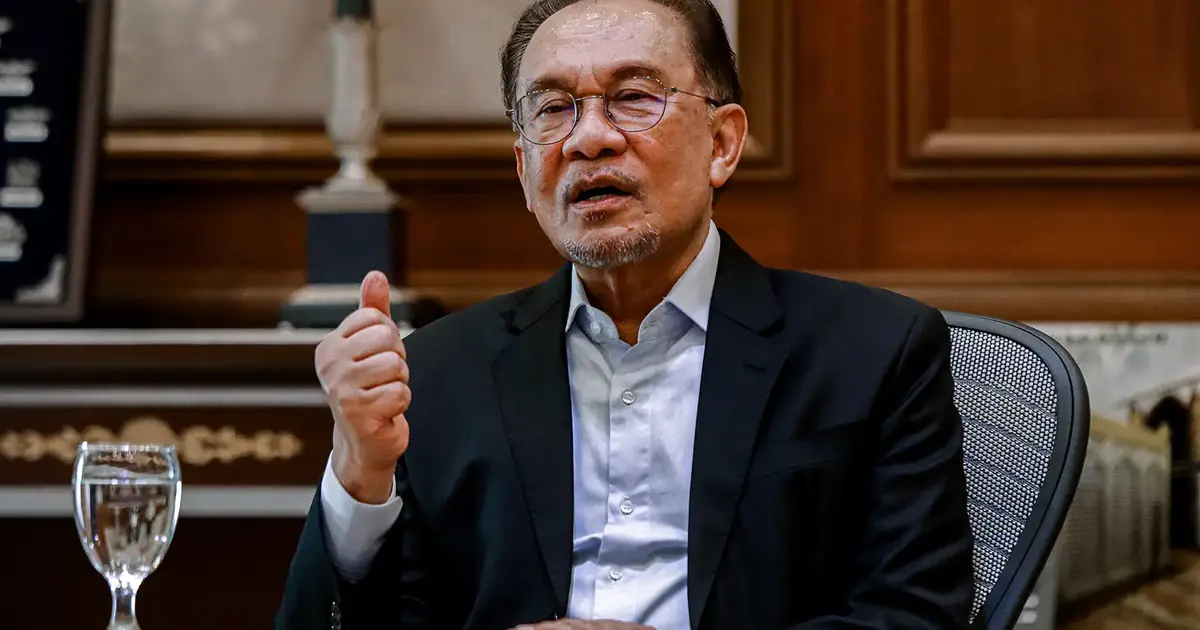
Prime Minister Anwar Ibrahim has served notice that Malaysia will not passively accept what he views as discriminatory or inequitable conduct from European nations, signalling a hardening stance on trade relations and international conduct standards. Speaking with conviction on the matter, Anwar framed the issue not merely as a bilateral concern but as a broader challenge facing the developing world in its dealings with wealthier industrialised powers.
The Prime Minister referenced Malaysia's ongoing defence-related dispute with Norway as a concrete example of the type of treatment that developing nations increasingly find unacceptable. While details of the specific contention remain subject to diplomatic discretion, the invocation of this case underscores Kuala Lumpur's determination to push back against what government officials perceive as unfair or inequitable practices affecting Malaysian interests.
Anwar's statement carries particular weight given Malaysia's position as a significant Southeast Asian economy and a nation with substantial defence procurement needs. The country has long sought to balance relationships with multiple international partners while protecting domestic interests. By raising this matter publicly, the Prime Minister signals that Malaysia is prepared to escalate concerns when diplomatic channels fail to produce satisfactory outcomes.
The thrust of Anwar's remarks suggests that Malaysia will actively pursue alternative avenues rather than accept outcomes deemed unjust. This could encompass diversifying trade relationships, exploring partnerships with other nations, or leveraging multilateral forums to address grievances. For Malaysian businesses and industries dependent on international commerce, such a stance carries both risks and potential benefits depending on how negotiations unfold.
For Southeast Asia more broadly, Anwar's declaration reflects a growing assertiveness among regional governments in challenging what they perceive as outdated power dynamics in international relations. The region has increasingly moved beyond accepting dictates from traditional powers and now expects reciprocal respect and equitable treatment in commercial and diplomatic arrangements. Malaysia's willingness to voice such concerns publicly may embolden other developing nations to similarly stand firm on their principles.
The Norway dispute serves as a useful lens through which to understand contemporary tensions between developed and developing nations. Such disagreements often arise from differing standards, values, or regulatory frameworks that wealthier nations impose without accommodating legitimate concerns of trading partners. When powerful economies leverage their position to enforce conditions unilaterally, smaller nations increasingly find cause to explore alternatives, whether through regional partnerships or entirely different suppliers and markets.
Anwar's positioning also reflects Malaysia's own evolution in international affairs. The country has invested substantially in defence capabilities and procurement relationships with multiple global partners including Europe, North America, and Asia. When perceived unfair treatment threatens these investments or commercial arrangements, Kuala Lumpur now feels sufficiently confident to voice objections and pursue remedies through whatever channels prove most effective.
The implications extend to Malaysia's role in broader geopolitical calculations. As regional powers seek to maintain strategic autonomy, they increasingly resist being pressured into accepting asymmetrical arrangements. European nations and other developed economies seeking to maintain influence in Southeast Asia must therefore adapt their approach, recognising that modern partners expect genuine partnership rather than hierarchical relationships.
For Malaysian readers and businesses, understanding this policy direction matters considerably. Trade negotiations, defence contracts, and technology partnerships increasingly occur against this backdrop of Malaysian assertiveness. Companies engaging with European counterparts may find government support more readily forthcoming if they can demonstrate that Malaysian interests are being properly respected in commercial terms.
The statement also carries implications for how Malaysia positions itself in multilateral trade discussions and international forums. Rather than accepting frameworks crafted primarily by developed nations, Malaysia and like-minded countries increasingly demand meaningful consultation and accommodation of developing nation concerns. This affects everything from environmental standards to labour protections to intellectual property regimes.
Anwar's remarks should be understood as part of a broader recalibration of Malaysia's foreign policy, one that emphasises dignity, reciprocity, and genuine partnership rather than deference. While Malaysia remains open to cooperation with European and other developed nations, such cooperation must now occur on terms that respect Malaysian sovereignty and interests. The Prime Minister's forthright language suggests this is not merely rhetorical positioning but reflects genuine policy intent.
Looking forward, expect Malaysia to pursue the Norway matter with determination while simultaneously seeking to strengthen partnerships with other nations and regional blocs. This approach, combining firmness with pragmatism, reflects how contemporary developing nations increasingly navigate international relations. The era of automatic acquiescence to developed nation preferences appears to be definitively ending, at least as far as Kuala Lumpur is concerned.