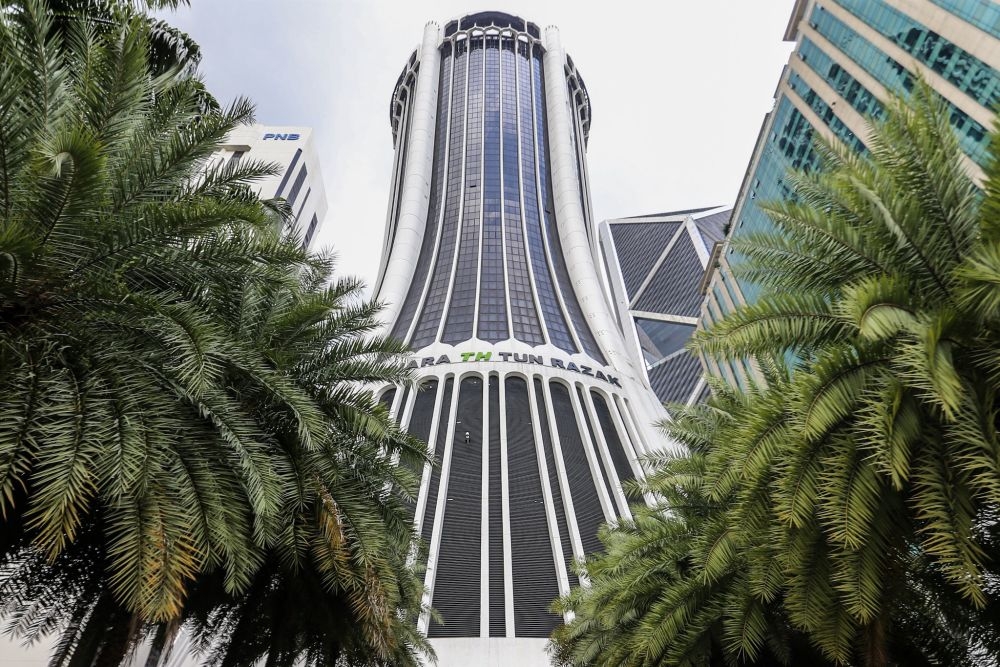
Law enforcement agencies across Malaysia have significantly expanded their investigative efforts into alleged administrative irregularities at Tabung Haji, the national pilgrimage fund, in the wake of findings released by a Royal Commission of Inquiry. The escalation represents a coordinated response involving the Malaysian Anti-Corruption Commission, the Royal Malaysia Police, and the Inland Revenue Board, signalling the severity with which authorities are treating the matter.
The Royal Commission of Inquiry's report has provided enforcement agencies with documented evidence and recommendations that are now forming the basis for expanded criminal and civil investigations. This multi-agency approach reflects the complexity of alleged misconduct at Tabung Haji, which manages billions in funds entrusted by pilgrims preparing for the Hajj journey. The findings have prompted a systematic examination of governance structures, financial controls, and decision-making processes within the institution over an extended period.
Tabung Haji serves a critical social function in Malaysia, allowing ordinary citizens to save and prepare for the Hajj pilgrimage in a structured manner. The fund holds substantial accumulated savings from millions of Malaysians, making it a significant financial institution despite its specialised purpose. Allegations of irregularities therefore carry broader implications beyond administrative concern, potentially affecting public confidence in an institution deeply embedded in the religious and financial lives of Muslim Malaysians.
The MACC's expanded role in the investigation focuses on potential breaches of fiduciary duties, conflicts of interest, and abuse of authority by individuals in positions of responsibility at Tabung Haji. The commission is examining whether decision-making processes prioritised institutional interests above those of fund contributors. The police involvement suggests examination of matters that may constitute criminal conduct under various statutes, while the IRB's participation indicates scrutiny of tax compliance and potential financial improprieties with revenue implications.
This coordinated investigative framework demonstrates how Malaysian authorities coordinate across jurisdictional boundaries when institutional integrity is questioned. The scale of Tabung Haji's operations and the number of Malaysians whose savings are held by the fund create urgency around establishing accountability. Such comprehensive investigation sends a message about institutional expectations and governance standards expected of organisations handling public trust and mass deposits.
For Malaysian pilgrims and their families, the investigation offers some assurance that alleged breaches are being taken seriously. The visibility of multi-agency involvement helps restore institutional confidence that may have been shaken by initial revelations. However, the protracted nature of such investigations means affected contributors may face extended periods of uncertainty regarding potential recovery of losses or remedial measures.
Regionally, Malaysia's response to the Tabung Haji matter reflects broader trends in Southeast Asia regarding institutional accountability and governance reform. Countries across the region have increasingly deployed coordinated investigative teams to address allegations of mismanagement in public and quasi-public institutions. The Malaysian approach provides a template for systematic response when evidence emerges of irregularities in funds entrusted to state-linked entities.
The investigation also highlights vulnerabilities that may exist in oversight mechanisms for specialised financial institutions. Tabung Haji operates within a regulatory framework designed for its specific purpose, but the alleged irregularities suggest that existing controls may require strengthening. Recommendations emerging from enforcement findings could influence how similar institutions across the region structure their governance and accountability mechanisms.
For the broader Malaysian financial sector, the Tabung Haji investigation underscores the importance of robust internal controls, transparent reporting, and genuine independence in audit and governance functions. Other financial institutions and fund managers are likely observing how enforcement agencies handle this case, as it sets precedent for accountability standards. The investigation serves as a practical demonstration of consequences associated with governance failures at scale.
The involvement of multiple agencies also reflects legislative frameworks governing each body's mandate and jurisdiction. The MACC operates under anti-corruption statutes, the police pursue potential criminal conduct, and the IRB examines fiscal compliance. This division of labour, while creating complexity, ensures comprehensive examination of alleged irregularities across different legal dimensions. Coordination mechanisms between these agencies therefore become critical to avoiding investigative gaps or duplication.
Looking forward, the conclusions drawn from investigations into Tabung Haji will likely influence policy discussions around financial institution governance, particularly for entities holding citizen savings. Reform measures may address appointment processes, term limits for leadership, audit independence, and stakeholder representation in decision-making structures. The investigation process itself, regardless of ultimate outcomes, has already prompted examination of systemic vulnerabilities requiring attention.
For Malaysian citizens contributing to Tabung Haji, the investigation underscores the importance of institutional vigilance and periodic external review. The Royal Commission of Inquiry's role in identifying irregularities demonstrates why such mechanisms exist, even when their findings prove uncomfortable. Restoring full confidence in the institution will require not only investigation conclusions but also visible implementation of reforms addressing identified weaknesses and prevention of recurrence.

