Malaysian banks and financial institutions are making environmental, social and governance (ESG) reporting a prerequisite for lending decisions, fundamentally reshaping how companies of all sizes must operate to access capital. The shift reflects a global trend where sustainability considerations have become central to investment decisions, risk assessment and corporate strategy, with lenders using ESG metrics to evaluate creditworthiness alongside traditional financial indicators. This emerging requirement creates both opportunity and challenge for Malaysian enterprises competing in an increasingly sustainability-conscious global marketplace.
According to Prathab V, principal consultant at ESGright Sdn Bhd, this financing trend offers significant advantages for both large corporations and small and medium enterprises willing to comply with ESG reporting standards. Companies demonstrating strong sustainability performance gain preferential access to capital, including from specialized sustainability-focused investment funds. Conversely, those neglecting these requirements risk competitive disadvantage as lenders increasingly favour enterprises with transparent, credible sustainability disclosures over those without documented ESG commitments.
While Bursa Malaysia mandates sustainability statements only for listed companies, unlisted firms benefit strategically from voluntary reporting. The distinction matters less in practice, as financial institutions now apply similar standards across their lending portfolios regardless of listing status. Unlisted companies seeking bank financing increasingly discover that ESG reporting directly influences approval odds, loan terms and interest rates offered. This de facto requirement stems from lenders protecting themselves against environmental and social risks that traditional financial analysis might overlook.
Government and regulatory bodies across Malaysia have actively encouraged businesses to embrace sustainability reporting through various guidelines and industry frameworks. This coordinated approach reflects recognition that Malaysia's economic competitiveness depends on businesses meeting international sustainability standards demanded by foreign buyers, investors and partners. The government's strategy positions Malaysian enterprises to participate successfully in global supply chains and export markets where ESG performance increasingly determines market access.
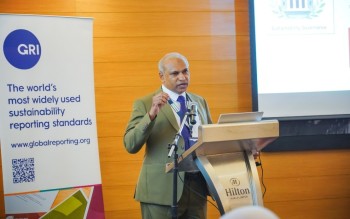
ESGright and the Global Reporting Initiative recently convened approximately forty senior corporate sustainability leaders and industry stakeholders representing combined market capitalisation exceeding RM380 billion. This gathering underscored the concentration of ESG adoption among Malaysia's largest enterprises, though the conversation increasingly extends downward to smaller players. Participants collectively emphasized that sustainability reporting, contrary to common perception, involves manageable costs compared to the competitive advantages gained through improved capital access and market positioning.
Malaysia has established itself as a regional sustainability reporting leader, now ranking among ASEAN's highest in terms of certified GRI professionals. ESGright has expanded to become the fifth-largest GRI professional sustainability trainer globally and ranks third in the Asia-Pacific region, reflecting Malaysia's institutional capacity to support widespread ESG adoption. The government's recent appointment of ESGright as Malaysia's first approved education partner by the International Financial Reporting Standards Foundation signals commitment to developing local expertise in sustainability-related financial disclosures aligned with International Sustainability Standards Board standards.
Small and medium enterprises face particular challenges in navigating increasingly complex sustainability frameworks and disclosure requirements. These businesses typically lack dedicated sustainability departments or external consultants that larger corporations can afford, yet encounter similar lender expectations. GRI chief executive officer Robin Hodess highlighted that developing streamlined, right-sized reporting frameworks tailored to SME capacity would enable smaller firms to progress on sustainability journeys without requiring resources comparable to large multinationals. Supply chain positioning makes this particularly relevant, as larger Malaysian manufacturers increasingly require sustainability compliance from suppliers, creating cascading pressure through the economy.
Suppliers and distributors particularly benefit from sustainability reporting adoption, as documented ESG performance increasingly determines access to supply chain opportunities with major corporate customers. Malaysian companies operating internationally already recognize this dynamic, having observed that foreign purchasers and investors now routinely evaluate supplier sustainability performance. Early adoption of reporting standards strengthens negotiating positions in supply relationships and opens access to procurement opportunities with multinational corporations that embed ESG requirements into purchasing decisions.
Malaysia's largest listed companies have generally embraced sustainability reporting ahead of regulatory mandates, recognizing that international market competitiveness requires meeting the sustainability expectations of foreign consumers, investors and business partners. These early adopters aligned with Global Reporting Initiative Standards before such disclosures became mandatory, demonstrating sophisticated understanding that ESG reporting facilitates international market participation. Their experience illustrates how sustainability reporting functions as competitive infrastructure enabling participation in global commerce.
The proliferation of sustainability reporting frameworks and disclosure standards creates complexity that many companies struggle to navigate effectively. Numerous international standards, regional guidelines and sector-specific requirements can overwhelm corporate compliance teams attempting to satisfy multiple stakeholders simultaneously. Companies need expert guidance to identify which frameworks apply to their business, prioritize disclosures meaningfully and implement internal systems that satisfy reporting obligations while supporting genuine operational improvements.
A critical challenge emerging across Malaysian businesses involves what Prathab V characterizes as "compliance fatigue," where companies encounter expanding reporting requirements that strain resources without necessarily improving sustainability outcomes. The tension between compliance obligations and core business profitability pressures companies to make strategic choices about which sustainability areas merit focused effort. Rather than attempting perfection across all ESG dimensions, companies achieve greater impact by identifying specific areas such as environmental management or biodiversity where they can make meaningful contributions and building reputation around demonstrated excellence in those domains.
Navigating this landscape requires balanced pragmatism: companies must satisfy lender expectations and maintain regulatory compliance while remaining focused on generating shareholder returns. The most successful approach involves examining particular areas where companies possess competitive advantage or face material risk, then developing robust reporting and performance in those domains. This targeted methodology delivers both business value and sustainability impact more effectively than dispersed efforts attempting to address every possible issue superficially.

