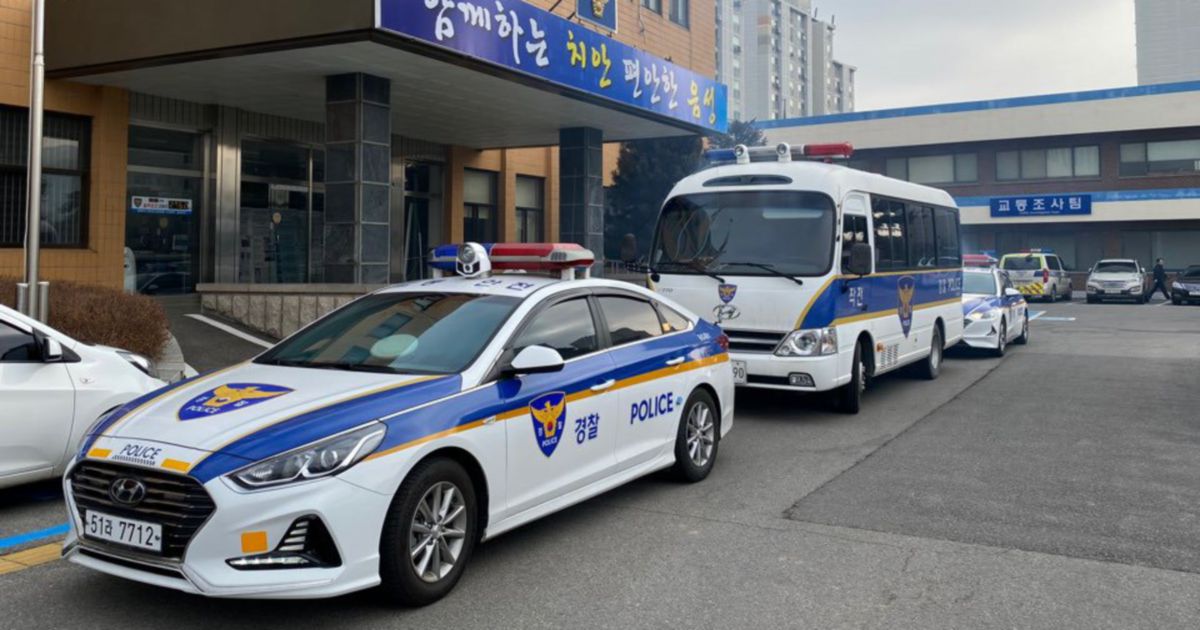
A Malaysian national lost his life following a violent confrontation between two groups of foreign nationals in South Korea's North Chungcheong Province in the early hours of Sunday morning, according to reports. The incident marks a tragic development for the Malaysian community abroad and raises concerns about the safety of citizens travelling or working in South Korea, a popular destination for Malaysian students, workers, and tourists.
The altercation, which erupted on a street in the province, escalated into a brawl that resulted in fatalities and injuries among those involved. Details surrounding the circumstances that triggered the initial dispute remain unclear, though investigators in South Korea are reportedly examining the sequence of events that led to the confrontation. The nature of the conflict—whether it stemmed from personal grievances, workplace disputes, or other factors—has not yet been disclosed by authorities.
In a significant development, another Malaysian individual has been arrested in connection with the incident. The arrest suggests that Malaysian nationals were involved on both sides of the altercation or that investigations have identified him as a key figure in the brawl. The reasons for his detention and whether he will face criminal charges have not been specified, though South Korean authorities are expected to conduct a thorough inquiry into the incident.
The tragedy underscores the vulnerabilities faced by foreign nationals in South Korea, despite the country's reputation as a generally safe destination. Malaysian communities in South Korea, particularly concentrated in major cities and university towns, remain largely law-abiding, yet incidents involving violent altercations among foreigners occasionally surface. Such occurrences highlight the importance of awareness and conflict de-escalation, especially in late-night social settings where alcohol consumption may be involved.
For the Malaysian government, the incident will likely prompt coordinated responses through its diplomatic mission in Seoul. The Malaysian embassy in South Korea typically steps in to provide consular assistance to affected citizens, facilitate communication between families and local authorities, and ensure that Malaysian nationals receive fair treatment under South Korean law. Officials may also investigate whether any welfare or protective measures are needed for other Malaysian nationals in the region.
The victim's family will face the difficult process of repatriating their loved one's remains to Malaysia, a procedure that often involves coordination with South Korean health authorities and Malaysian consular services. The emotional and financial burden on the family will be substantial, and preliminary outreach from Malaysian community organisations in South Korea is anticipated in the coming days.
This incident arrives at a time when Malaysian-South Korean ties remain robust across multiple sectors, including education, trade, and tourism. South Korea continues to be a significant destination for Malaysian students pursuing higher education, and many Malaysian professionals work in manufacturing, technology, and service industries there. The broader bilateral relationship is unlikely to be materially affected by this isolated incident, though it may prompt discussions about the safety and welfare of Malaysian nationals abroad.
For young Malaysians considering working, studying, or living in South Korea, the brawl serves as a sobering reminder of the importance of exercising caution in social settings and being mindful of personal safety. Embassy resources, including information on legal rights and emergency contacts, are typically available to Malaysian nationals, and awareness campaigns about avoiding risky situations in unfamiliar environments could be reinforced.
The investigation into the brawl will likely take several weeks or months, with South Korean authorities examining witness statements, CCTV footage if available, and post-mortem findings to determine the precise cause of death and identify any criminal liability. The arrested Malaysian national will have access to legal representation and due process under South Korean law, which maintains a well-established judicial system, though cases involving foreign nationals can sometimes face additional scrutiny or extended proceedings.
As details emerge, the tragedy will inevitably prompt reflection within Malaysia's expatriate communities across Asia on risk management and collective responsibility. The incident underscores the reality that while most Malaysians abroad live peacefully and productively, occasional crises remind families and government officials of the importance of maintaining open lines of communication and support networks for those living far from home.

