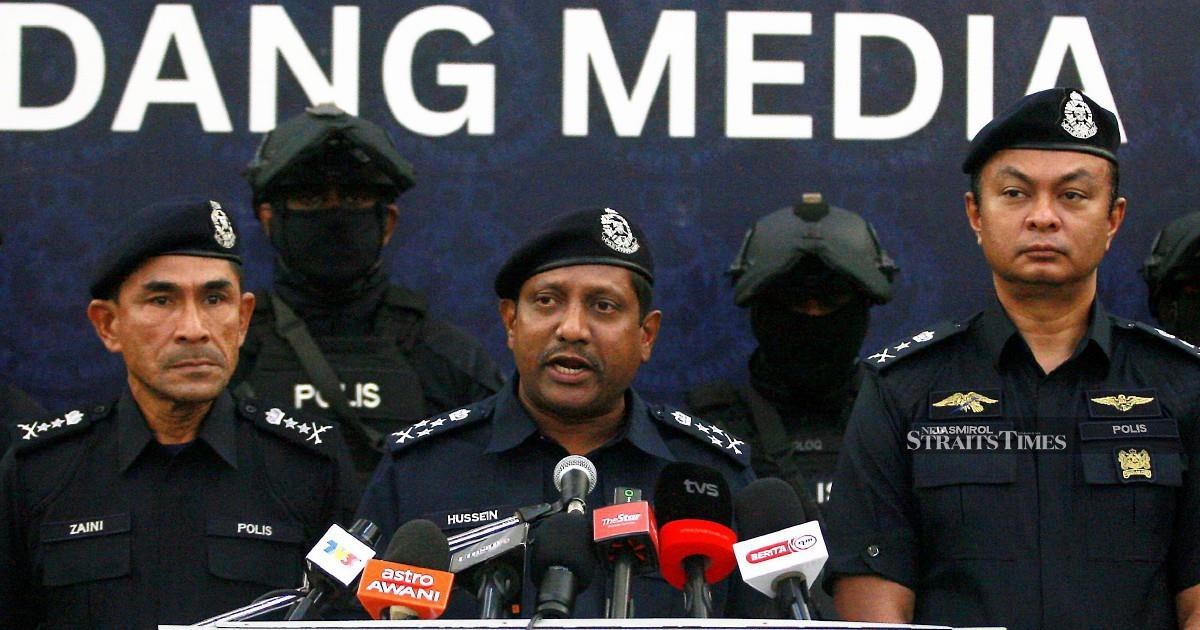
Investigators into the high-profile arrest of a Malaysia Airlines pilot in Jakarta have now established how the suspect circumvented security protocols at Kuala Lumpur International Airport, with narcotics authorities attributing the breach to connections with an established drug trafficking syndicate. The case has raised uncomfortable questions about airport security procedures and the vulnerability of Malaysia's premier aviation hub to organised crime networks seeking to exploit air travel corridors for drug distribution across Southeast Asia.
The pilot's ability to proceed through KLIA's screening processes undetected represents a significant concern for Malaysia's aviation and law enforcement authorities. Preliminary investigations suggest the pilot did not act in isolation but was instead part of a larger organisational structure, with multiple individuals potentially involved in facilitating his movements and shielding contraband from detection. The syndicate's operational sophistication indicates that this was no opportunistic incident but rather a calculated deployment of established protocols designed specifically to exploit vulnerabilities within standard airport procedures.
Drug trafficking organisations operating across the region have long sought to leverage commercial air routes and legitimate airline personnel as vectors for moving narcotics. The use of pilots and flight crew offers multiple advantages to organised crime: access to secure areas within airports, knowledge of airport procedures, credibility with security personnel, and the ability to move goods between international destinations with minimal scrutiny. Malaysia's position as a regional aviation hub, coupled with its extensive international flight network, makes it an attractive operational base for syndicates seeking to distribute drugs throughout Southeast Asia and beyond.
The investigation's focus on syndicate connections suggests that authorities are now pursuing a broader network rather than treating this as an isolated case of individual criminal conduct. This approach reflects evolving enforcement strategies that recognise how international drug trafficking operates as a systematic enterprise with multiple nodes and participants. Dismantling such networks requires identifying not only the visible participants but also the support infrastructure, financial mechanisms, and decision-making hierarchy that enables their operations.
Security protocols at KLIA, one of the region's busiest airports, presumably include layers of screening designed to detect contraband among both passengers and staff. The pilot's successful transit of these checkpoints suggests either lapses in procedural enforcement, inadequate training among security personnel, or systematic exploitation of known gaps in the screening architecture. Understanding which factor predominated will be essential for implementing corrective measures that genuinely enhance security rather than merely creating an illusion of improved protection.
The case carries implications extending beyond Malaysia's borders. Indonesia's detention of the pilot brought the matter into international focus, while the investigations now underway in Malaysia will likely involve cooperation with neighbouring law enforcement agencies. The Association of Southeast Asian Nations region faces coordinated drug trafficking threats that demand coordinated responses. Intelligence sharing between Malaysia, Indonesia, and other regional partners becomes crucial for preventing the continued exploitation of established air routes and personnel networks.
Airport security remains a sensitive topic for aviation authorities worldwide. Balancing operational efficiency against security imperatives creates constant tension, with any major breach threatening public confidence in airport safety systems. For KLIA specifically, this incident arrives during a period of infrastructure development and competitive positioning among Southeast Asian aviation hubs. Stakeholders will be watching closely to assess whether the airport operator implements meaningful security enhancements or merely engages in cosmetic remediation.
The syndicate's apparent ability to deploy a pilot as a drug courier reveals the penetration of organised crime into regulated aviation sectors. This suggests either recruitment of existing personnel or the installation of operatives within the airline industry itself. Either scenario points to sophisticated criminal enterprises capable of sophisticated planning and execution. For Malaysia Airlines and other carriers, the implications are troubling, as the case demonstrates that comprehensive vetting procedures and ongoing security culture may prove insufficient against determined criminal organisations.
Financial investigation will likely become central to dismantling the syndicate. Drug trafficking generates substantial proceeds that must be laundered and moved across borders, often through banking systems or trade-based mechanisms. Tracing the economic dimensions of this operation could reveal the syndicate's broader structure, money flows, and connections to other criminal enterprises. Malaysian authorities possess sophisticated financial investigation capabilities, and their deployment in this case may yield insights extending beyond the immediate incident.
The timing of the arrest and the subsequent investigation unfold amid broader regional concerns about synthetic drug production and distribution. Southeast Asia has emerged as both a manufacturing centre and a major transhipment point for methamphetamine, fentanyl, and other controlled substances destined for markets across Asia and globally. Malaysia's strategic location and developed transportation infrastructure make it an inevitable focus for trafficking organisations seeking efficient distribution channels.
Public disclosure of syndicate involvement in this case serves multiple enforcement objectives. It signals to the aviation industry and related sectors that criminal exploitation will be detected and prosecuted. It demonstrates to other jurisdictions Malaysia's commitment to addressing transnational crime. It also warns potential recruits within the aviation sector of the serious legal consequences of participation in drug trafficking. However, it simultaneously alerts criminal organisations to security measures and triggers adaptive responses within their operational practices.
As investigations proceed, authorities will need to balance the pursuit of individual accountability with the disruption of systemic vulnerabilities that enabled this case to occur. The pilot faces serious legal jeopardy, but the underlying syndicate network likely continues operating unless enforcement action targets the broader organisational structure. For Malaysia's aviation sector and its international reputation, demonstrating effective investigative capability and genuine security improvements will prove essential for restoring confidence among passengers, airlines, and regional partners.

