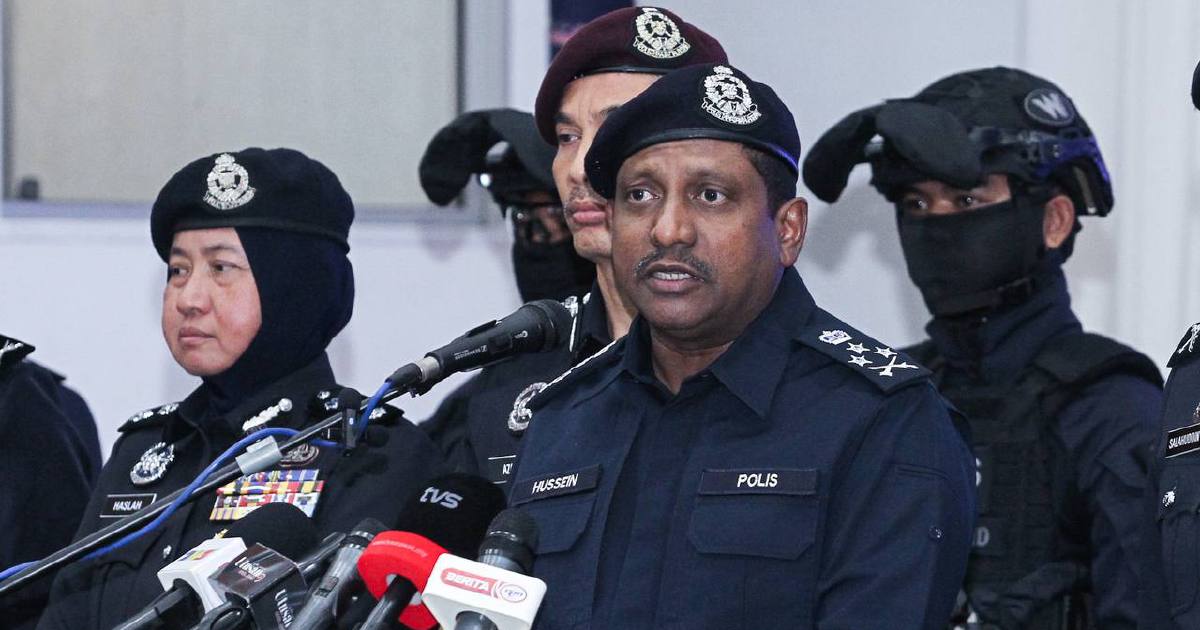
The Royal Malaysian Police headquarters at Bukit Aman has announced plans for comprehensive cooperation with Indonesian law enforcement agencies in the investigation of a Malaysian pilot who was detained in Indonesia on suspicion of attempting to bring illegal drugs into the country. This transnational case highlights the ongoing security challenges both nations face in combating organized drug trafficking operations that exploit aviation routes and personnel with access to international borders.
The decision to establish formal coordination channels between the two nations' police forces reflects the seriousness with which Malaysian authorities treat allegations of drug smuggling involving one of its citizens. Such cases carry significant diplomatic implications, as they demonstrate whether enforcement mechanisms can function effectively across the Strait of Malacca—a region where international crime networks have long operated with varying degrees of success.
Cross-border criminal investigations have become increasingly common throughout Southeast Asia in recent years, driven partly by the sophistication of trafficking networks that deliberately exploit gaps between national jurisdictions. By pooling investigative resources and intelligence, Bukit Aman and Indonesian counterparts can establish a more comprehensive picture of the alleged smuggling operation, including potential connections to larger supply chains and distribution networks operating throughout the region.
The involvement of a commercial airline pilot in alleged drug smuggling operations suggests a potentially troubling trend in which individuals with legitimate access to aircraft and international routes are being recruited by trafficking organizations. This vulnerability within the aviation sector has prompted increased scrutiny of personnel working in positions of trust, though balancing security protocols with operational efficiency remains an ongoing challenge for airlines and aviation authorities across Southeast Asia.
Indonesia has intensified its anti-narcotics operations significantly over the past decade, establishing specialized enforcement units and implementing stricter penalties for trafficking offences. The country's Narcotics Agency and National Police have achieved notable successes in dismantling major drug networks, though the sheer volume of trans-regional trafficking continues to strain resources. Malaysian authorities are equally committed to combating drug crimes, with the country maintaining some of the region's most stringent penalties for narcotics offences.
The bilateral investigation framework being established will likely include the exchange of evidence, witness testimony, and intelligence regarding the pilot's alleged activities. Such cooperation may also reveal information about the source of the drugs, intended destinations within Malaysia, and any broader criminal networks operating across both countries. Intelligence sharing agreements between Southeast Asian nations have proven valuable in identifying patterns of cross-border smuggling that might otherwise escape detection.
This case occurs against a backdrop of sustained drug trafficking pressure throughout Southeast Asia, where methamphetamine production in the Golden Triangle region and heroin trafficking from Afghanistan continue to fuel international supply chains. Malaysia's geographic position as a transportation hub makes it vulnerable to traffickers seeking to move illicit cargo through its ports, airports, and border crossings. The utilization of aviation personnel represents a tactical evolution in smuggling methodologies designed to circumvent conventional contraband screening procedures.
The cooperation between Bukit Aman and Indonesian police also underscores the importance of professional law enforcement relationships in the region. Regular training exchanges, joint task forces, and mutual legal assistance treaties have strengthened the capacity of both nations to respond to organized crime challenges. These institutional connections often prove as valuable as any individual investigation in building systemic capacity to address transnational threats.
For the aviation industry, the case serves as a reminder that passenger safety and security extend beyond hijacking prevention to encompass the integrity of personnel and cargo handling. Airlines operating in Malaysia and Indonesia have faced pressure to implement more rigorous background checks and ongoing monitoring of employees, particularly those with access to aircraft or cargo facilities. The balance between maintaining operational efficiency and implementing robust security measures remains a delicate one.
The investigation will likely examine whether the pilot acted independently or as part of a larger smuggling organization. The distinction carries significant implications for both the severity of charges and the potential for uncovering additional criminal activity. If the pilot was part of an organized network, cooperation between Malaysian and Indonesian investigators could yield intelligence on operational procedures, financial flows, and other individuals involved in the trafficking enterprise.
Both nations have signaled their commitment to addressing drug trafficking through bilateral and multilateral frameworks including the ASEAN Regional Forum and various bilateral treaties. These institutional arrangements provide the legal foundation for evidence sharing and coordinated enforcement actions that would be impractical or impossible in the absence of formal cooperation agreements. The pilot's case will likely generate lessons applicable to future cross-border investigations.
The timeline for the investigation remains unclear, though both nations typically prioritize cases involving substantial quantities of narcotics or sophisticated trafficking methodologies. The outcome could have implications for Malaysian aviation security policies and for broader regional approaches to preventing the exploitation of commercial aviation in drug smuggling operations. Meanwhile, the pilot's detention in Indonesia underscores the risks individuals face when recruited into trafficking schemes, regardless of their professional status or access to legitimate international transportation systems.

