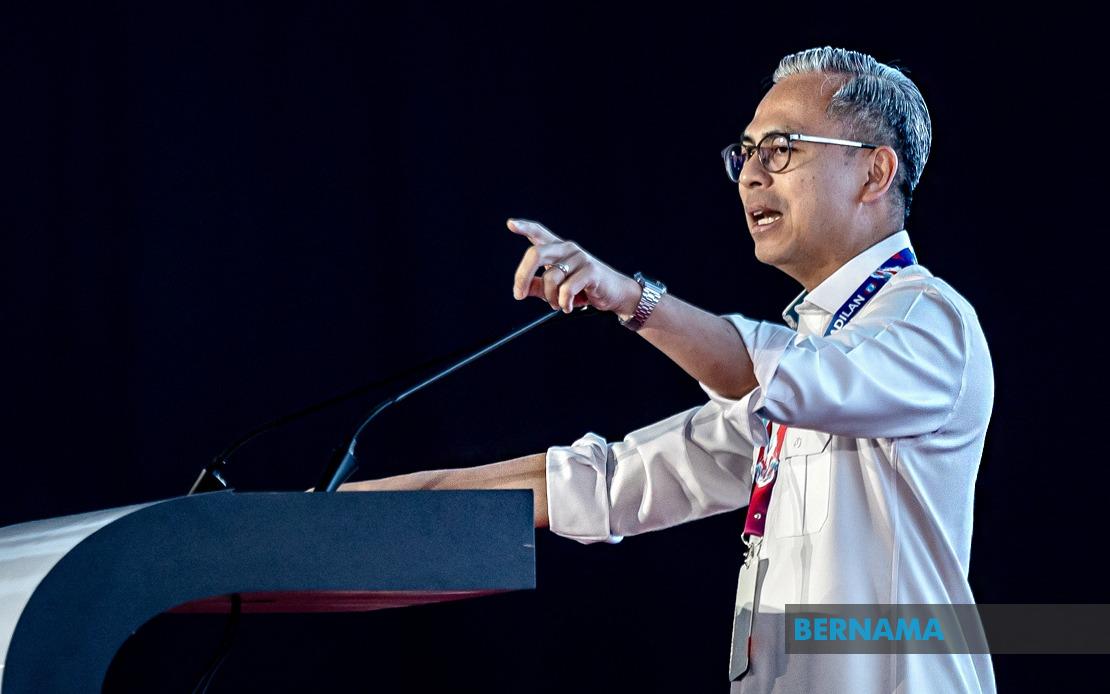
During a visit to Melaka on August 16, Communications Minister Datuk Seri Fahmi Fadzil highlighted an encouraging trend: Malaysians are demonstrating greater familiarity with the specific characteristics of the Jalur Gemilang, including its distinctive stripe configuration and colour sequence. This heightened awareness signals a broader cultural appreciation for national symbols during the National Month celebrations, reflecting what the minister characterised as a meaningful shift in public consciousness regarding flag protocol.
Fahmi's observations stem from a noticeable change in how ordinary Malaysians interact with and discuss the national flag. Where previously such concerns might have remained confined to official discourse, citizens now actively engage in verifying correct flag specifications, counting stripes, and ensuring the final stripe displays the prescribed white colour. This grassroots vigilance has evolved into an informal social mechanism, wherein community members gently correct and guide one another towards proper flag display practices. The minister framed this development positively, viewing it as evidence of collective ownership over national symbols rather than top-down enforcement.
The minister reported receiving no fresh complaints regarding flag irregularities in recent weeks, a finding he attributed to this enhanced public conscientiousness. However, he acknowledged awareness of a specific incident in Batu Buruk, Terengganu, where an allegedly defective Jalur Gemilang had been displayed. Rather than intervening directly, Fahmi deferred to ongoing investigative processes by relevant authorities, maintaining an appropriate administrative boundary while confirming the government's monitoring capacity.
An emerging practical trend has captured official attention as well. Vehicle owners increasingly favour magnetic Jalur Gemilang decals over traditional cloth flags, a shift driven by protective concerns regarding vehicle paintwork and bodywork. This innovation reflects both practical considerations and continued commitment to flag display during patriotic periods. Fahmi characterised this development favourably, recognising that lower barriers to participation—such as convenience and reduced property risk—ultimately expand the population engaging with national symbols. The adoption of magnetic alternatives represents a pragmatic accommodation of modern preferences without compromising symbolic observance.
Preparations for the upcoming National Day and Malaysia Day celebrations are progressing according to schedule, with multiple coordinating bodies managing distinct organisational portfolios. The Ministry of Education is overseeing human graphic performances, while logistics and contingent preparations remain on track across Putrajaya. Fahmi indicated that a formal National Day coordination meeting was scheduled to follow his remarks, ensuring synchronisation across governmental departments and external stakeholders responsible for celebration implementation.
Malaysia Day observances will receive equivalent strategic attention, with a dedicated virtual coordination session scheduled for August 24. This staggered approach to planning reflects the distinct cultural significance and logistical demands associated with each commemorative occasion, allowing focused preparation for Malaysia Day's particular emphasis on national integration across the federation's constituent regions.
The capital will host two substantial Merdeka Eve events reflecting different organising bodies and ceremonial purposes. The Ministry of National Unity will stage a gathering at Merdeka Stadium, where Prime Minister Datuk Seri Anwar Ibrahim will deliver a special address to assembled participants. Simultaneously, Kuala Lumpur City Hall will orchestrate programming at Dataran Merdeka, ensuring distributed access to patriotic festivities across the city's major venues.
During the Melaka visit, Fahmi engaged in community outreach that illuminated the government's broader social support mandate. He visited R. Sathia Devi, a 70-year-old stroke survivor residing at Pangsapuri Kiara in Batu Berendam, and Abu Zarin Nordin, a 64-year-old patient at Kampung Tun Razak in Bukit Katil. These visits were conducted to evaluate assistance requirements, including nutritional support through milk provision, coordination with the Social Welfare Department, and access to rehabilitation services. The minister committed to pursuing supplementary interventions such as acupuncture treatments, emphasising the government's comprehensive approach to healthcare accessibility for vulnerable populations. His office pledged systematic follow-up on identified cases, leveraging information department resources to identify and support additional families facing comparable circumstances.
These initiatives collectively underscore a government strategy encompassing both symbolic national consciousness and concrete social welfare provision. The increasing public attentiveness to flag specifications, while seemingly modest, reflects deeper cultural currents regarding national identity and shared civic responsibility during commemorative periods. When contextualised alongside expanded celebration logistics and personalised community healthcare engagement, the pattern suggests a multifaceted governmental approach seeking to deepen both patriotic consciousness and material wellbeing across Malaysian society. For Southeast Asian observers, Malaysia's emphasis on symbol-based nation-building through voluntary public participation, rather than prescriptive regulation, presents an instructive model of inclusive nationalism.

