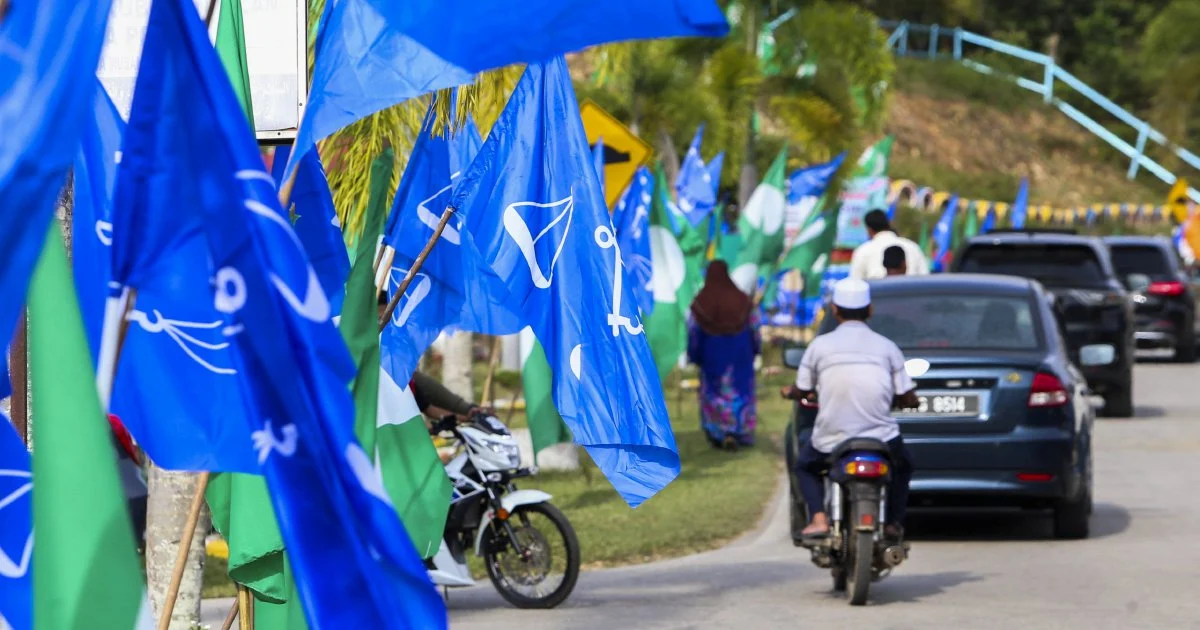
Malaysia's 16th general election could arrive sooner than many political observers anticipated, with senior opposition figures now openly discussing a timeframe that would compress the electoral calendar into the final quarter of the year. Datuk Mohd Amar Nik Abdullah, Vice-President of the Islamic Party of Malaysia (PAS), has publicly suggested that polls will likely be held sometime between late October and November, providing what amounts to an educated guess from inside the machinery of one of the nation's largest political movements.
The timing carries significant implications for both government and opposition strategic planning. A general election in that window would arrive roughly in the middle of the current Parliament's natural cycle, compressing what could have been a full five-year term into a considerably shorter period. This creates urgency for all major political coalitions to finalize candidate selections, campaign messaging, and organisational preparations well before autumn arrives. For the ruling coalition, such timing might allow them to seek a fresh mandate before economic pressures or other challenges accumulate further. For opposition blocs like PAS and its Perikatan Nasional allies, it represents a critical juncture to demonstrate they remain a viable alternative government.
PAS, as both a component of Perikatan Nasional and a significant force in its own right, occupies a fascinating position in Malaysia's current political landscape. The party wields considerable influence in key constituencies across the east coast and increasingly in urban areas, making it a bellwether for opposition fortunes. Datuk Mohd Amar's statements likely reflect internal party assessments about economic conditions, political momentum, and strategic calculations about when their coalition would be strongest at the ballot box. The specificity of the October-November window suggests this is not casual speculation but reflects serious planning conversations among senior party figures.
The prospect of an election in that timeframe creates immediate practical challenges. Campaign periods during the monsoon season bring their own logistical difficulties across peninsular Malaysia and Borneo. Voter registration and electoral machinery would need to function at peak efficiency during what is traditionally a period of reduced administrative capacity in some regions. The Election Commission would face compressed timelines for boundary reviews if they are contemplated, for printing ballots, and for deploying returning officers and poll workers. These operational considerations may themselves influence the final decision on timing.
Economically, the fourth quarter typically sees increased consumer spending during the year-end festive season and year-end holidays. An election during this period could complicate business operations and consumer confidence metrics that major corporations and household economists monitor closely. Retailers, transportation companies, and hospitality businesses often plan their peak revenue periods around this time, meaning electoral activity would directly compete with commercial and social calendars.
From a regional perspective, Malaysia's election timing carries weight beyond domestic politics. ASEAN's political stability depends partly on the ability of major member states to conduct orderly democratic transitions. A smooth election process in late 2024 would reinforce confidence in Malaysia's democratic institutions among international observers. Conversely, any electoral complications or dispute would reverberate across Southeast Asia's diplomatic networks and investment communities that watch Malaysian stability closely.
The role of PAS in articulating this timeline is noteworthy. The party has evolved considerably over the past decade, shedding some of its narrower ideological positioning to broaden appeal and build stronger electoral coalitions. That a PAS vice-president would articulate specific timing expectations suggests the party is sufficiently confident in its organisational capacity and messaging that it welcomes electoral engagement sooner rather than later. This confidence may reflect genuine internal polling data and ground-level assessments that suggest opposition momentum.
Prime Minister Anwar Ibrahim and his coalition in government retain sole authority to advise the Yang di-Pertuan Agong on dissolution of Parliament and election timing. The government's own calculations about economic performance, legislative agenda completion, and coalition stability will ultimately determine when polls occur. However, opposition signals about readiness and expectations create political pressure that governing coalitions cannot entirely ignore. If opposition parties telegraph confidence about near-term elections, the government risks appearing fearful or hesitant if it delays beyond reasonable windows.
The October-November timeframe itself carries historical resonance in Malaysian politics. Previous general elections have been scheduled across various seasons, but this particular window has seen electoral activity before, making it operationally familiar to the Election Commission and political machinery. Campaign intensity during this period would also avoid the traditional August-September period when Parliament often sits in extended session, allowing legislators to balance campaigning with legislative duties more manageable.
Ultimately, Datuk Mohd Amar's comments represent the opposition's public position-taking on electoral timing. While PAS cannot control when elections occur, signalling readiness and specific expectations shapes the political narrative. If the government moves toward elections in the suggested window, the opposition can claim foresight and preparation. If elections are delayed, it opens space for opposition claims about government reluctance to face the electorate. Either way, the public articulation of this timeframe anchors discussion and sets baseline expectations for when Malaysian voters might next cast their ballots to shape the nation's direction.