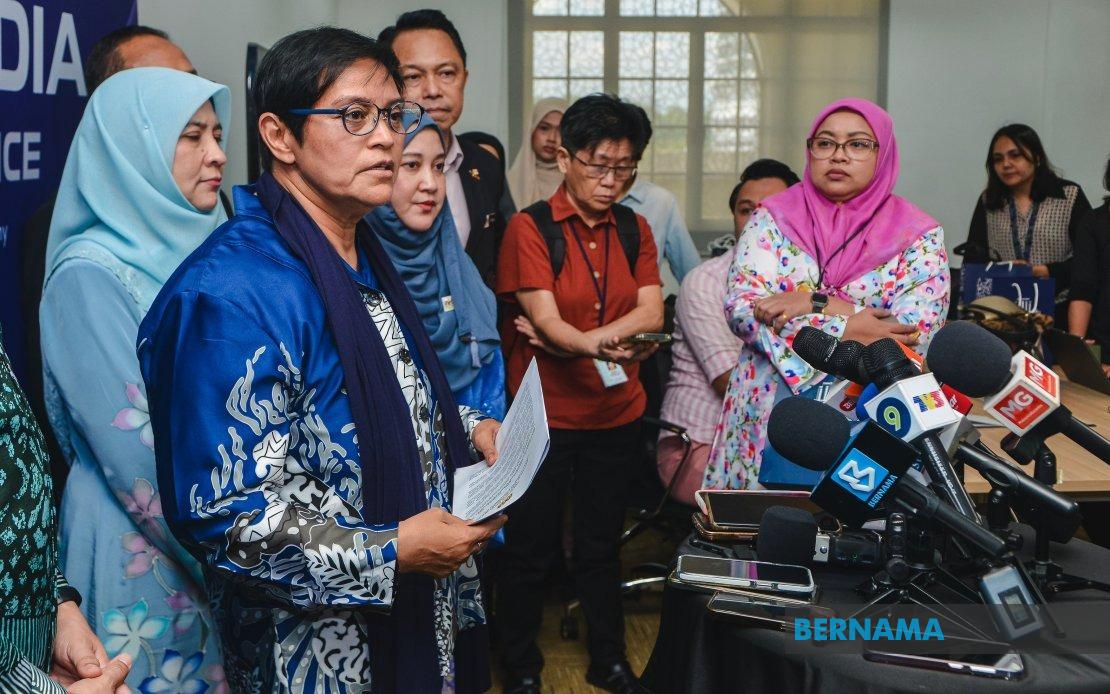
Malaysia is taking an unprecedented approach to tackling bullying by introducing parental joint liability under the Anti-Bullying Act 2026, a significant departure from how the country has traditionally handled criminal offences. The new legislation, unveiled by Datuk Seri Azalina Othman Said, the Minister in the Prime Minister's Department (Law and Institutional Reform), extends legal accountability beyond the young person who commits the bullying to their family members, fundamentally reshaping how responsibility is distributed within households.
The introduction of shared family responsibility marks a bold policy shift in Malaysia's legal framework. While most criminal offences focus responsibility solely on the perpetrator, the Anti-Bullying Act establishes a model where parents can be held answerable for their children's misconduct. This includes binding family members to financial obligations such as fines and related penalties, effectively transforming bullying from an individual act into a family accountability matter. The provision reflects growing recognition that preventing bullying requires intervention at the household level, not just punitive measures against young offenders.
Azalina explained that the government included this parental responsibility clause specifically to extend consequences beyond the child perpetrator. Parents may now find themselves financially liable for penalties imposed on their children, creating a direct incentive for household supervision and intervention. She stressed that this mechanism represents a genuine transfer of legal obligation to families, distinguishing Malaysia's approach from many other jurisdictions that rely primarily on individual accountability.
The urgency behind these reforms stems from alarming statistics on bullying incidents across the country. Azalina highlighted that the rise in bullying cases and their severe consequences, including deaths, prompted the government to establish more robust institutional responses. The tribunal launch signals a commitment to treating bullying not as a minor disciplinary matter but as a serious social problem requiring dedicated legal infrastructure and specialised judicial attention.
To operationalise this new legal framework, the government has appointed 56 tribunal members comprising legal experts and specialists in child-related fields. These members will adjudicate cases referred through the Anti-Bullying Tribunal, which officially launched at the Asian International Arbitration Centre (AIAC) in Kuala Lumpur. The tribunal was inaugurated with attendance from Datuk Dr Asyraf Wajdi Dusuki, chairman of Majlis Amanah Rakyat (MARA), signalling support from multiple government agencies.
Access to justice has been a central design consideration for the tribunal system. Rather than restricting hearings to a single location, the tribunal operates nationwide through six physical and virtual hearing zones established by optimising existing facilities. These zones leverage resources from the Legal Affairs Division (BHEUU), the Insolvency Department, the Legal Aid Bureau, and vacant courtroom spaces. This decentralised approach ensures that students and families in rural and urban areas alike can access the tribunal without excessive travel or administrative burden.
Victims now possess the right to lodge complaints directly with the Anti-Bullying Tribunal without necessarily involving school or hostel management first. This provision is particularly significant for incidents occurring outside institutional premises, where traditional school-based disciplinary mechanisms may not apply. By removing the requirement for institutional gatekeeping, the tribunal empowers victims to pursue justice independently and encourages reporting of bullying regardless of where it occurs. Proceedings can be conducted in diverse settings including schools, Legal Aid Department offices, or entirely online, maximising flexibility for vulnerable young people who may fear institutional involvement.
Digitalisation forms a cornerstone of the tribunal's accessibility strategy. A dedicated public portal enables individuals to register cases online, reducing bureaucratic friction and making the complaint process available 24/7. This technological infrastructure is particularly relevant for Malaysia's increasingly digital population and aligns with broader government digitalisation initiatives. Online registration also creates a paper trail and permanent record, potentially reducing instances of complaints being lost or mishandled within informal institutional channels.
The creation of this specialist tribunal reflects international trends toward establishing dedicated judicial bodies for issues affecting vulnerable populations. Bullying's impacts on mental health, academic performance, and social development justify specialised handling distinct from conventional criminal proceedings. The tribunal's composition of legal experts and child specialists suggests cases will be evaluated through lenses accounting for developmental psychology and youth-specific circumstances, potentially leading to more contextually appropriate outcomes than traditional courts might deliver.
For Malaysian parents and guardians, the joint liability provision introduces a new legal obligation to supervise their children's behaviour more carefully, particularly regarding interactions with peers. This could incentivise earlier intervention when signs of bullying behaviour emerge. Schools and institutions may also experience shifts in how parents approach discipline and behavioural correction, potentially increasing collaboration between families and educational authorities to prevent incidents before they escalate to tribunal involvement.
The government's emphasis that children should recognise bullying's seriousness and understand that action can be taken through formal channels aims to shift cultural attitudes toward bullying. By providing an institutional mechanism specifically designed for these cases and publicising parental liability, policymakers hope to deter both perpetration and silence around bullying. The tribunal system essentially communicates that bullying is now treated as a matter of genuine legal consequence rather than a normal aspect of childhood.
Implementing this framework will test Malaysia's institutional capacity to handle caseload growth and train tribunal members effectively. Success depends on whether the tribunal can process cases efficiently while maintaining sensitivity to the young people and families involved. Additionally, the joint liability provision may generate family tensions as parents face financial and legal consequences for children's actions, potentially creating unintended consequences that require ongoing policy refinement as cases accumulate and patterns emerge.