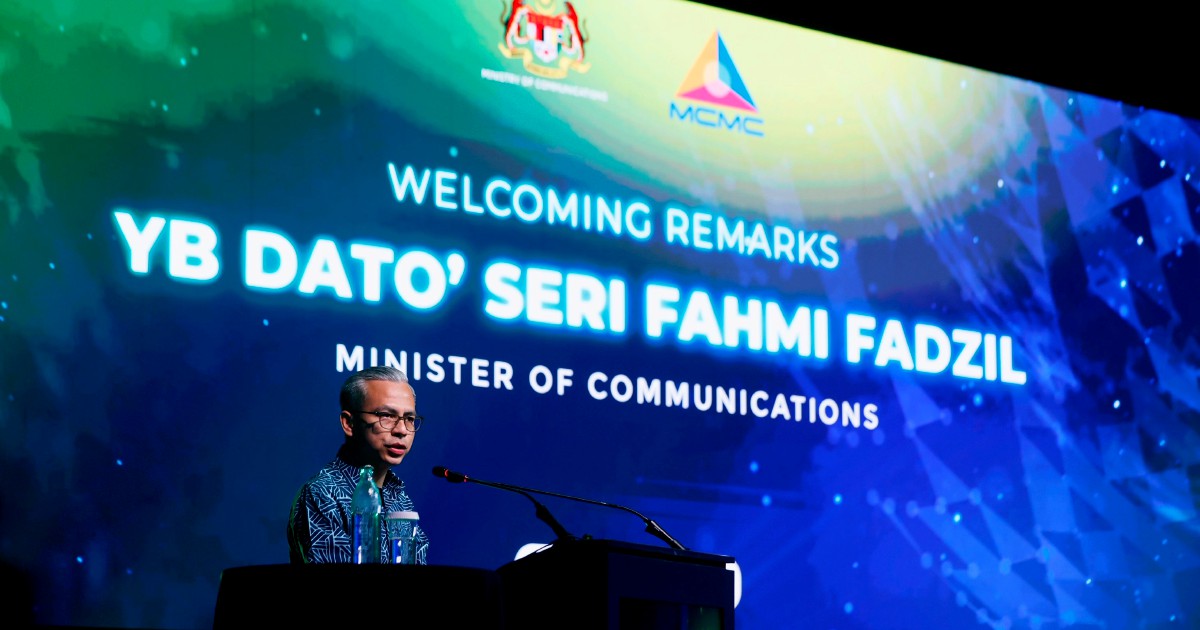
In remarks made during a visit to Kuala Pilah today, Communications Minister Datuk Seri Fahmi Fadzil sought to quell speculation about fractious relations within Malaysia's Cabinet following a series of public disagreements over how ministers should conduct themselves during the Negri Sembilan state election campaign. Rather than allowing tensions to linger, Fahmi's intervention underscores the government's desire to project stability and unity at a time when internal coherence matters significantly for legislative effectiveness and public confidence.
The minister's reassurance carries particular weight given the sensitive context of state elections, which often expose fault lines within governing coalitions. Negri Sembilan elections inevitably draw scrutiny not only at the state level but across the federal apparatus, as the performance and conduct of national figures can influence voter sentiment. By framing recent disagreements as manageable differences rather than fundamental splits, Fahmi attempted to neutralise any suggestion that the government's top leadership is losing grip on party discipline or coalition management.
Fahmi's description of sitting down for lunch with his colleagues serves as both a literal and symbolic gesture—one that emphasises informal resolution and personal rapport rather than escalation. This approach reflects a broader Malaysian political tradition in which senior leaders attempt to manage disputes through back-channel dialogue rather than public confrontation. The emphasis on such personal engagement suggests that whatever tensions emerged during campaign discussions were treated as routine operational matters requiring clarification rather than evidence of deeper ideological or strategic divides.
The backdrop of ministerial discipline during an election campaign touches on a perennial challenge facing any governing administration. Ministers must balance their roles as national administrators with their responsibilities as party representatives and campaign participants. When these roles create tension, questions arise about who bears authority and how standards are enforced. The Negri Sembilan campaign apparently generated enough discussion about these boundaries to warrant public commentary, prompting Fahmi's preemptive statement about Cabinet cohesion.
For Malaysian observers and political analysts, the timing of such reassurances matters greatly. Governments that repeatedly need to confirm their internal unity often risk undermining their own message—the need to deny disharmony can itself suggest its existence. Conversely, addressing concerns head-on, as Fahmi chose to do, can demonstrate confidence and transparency. The minister's relaxed tone appears designed to signal that disagreements, far from threatening the Cabinet's effectiveness, reflect normal governance processes.
The broader implications for Southeast Asian governance are worth noting. Regional administrations frequently face challenges maintaining coalition discipline across diverse political parties and personalities. Malaysia's experience with multi-party coalitions means managing competing interests and occasional public disagreements is part of the constitutional framework rather than an aberration. Fahmi's comments reflect this reality—acknowledging that different viewpoints exist while reaffirming institutional cohesion.
From a Malaysian perspective, the electorate will ultimately judge whether such reassurances prove justified through observable government performance and election outcomes. State elections serve as important barometers for public satisfaction with both state and national governance. Any perception that Cabinet divisions are hampering effective administration could translate into voter dissatisfaction, while evidence of coordinated, disciplined governance tends to strengthen support.
The minister's intervention also addresses media narratives and public perceptions shaped by political coverage. In Malaysia's information environment, where multiple outlets offer varying perspectives on government matters, ministers recognise the importance of directly addressing speculation before it hardens into accepted fact. By promptly dismissing talk of rifts, Fahmi sought to frame the narrative as one of minor procedural discussions rather than substantive conflict.
Looking forward, the real test of Cabinet unity will emerge through policy implementation, electoral success, and the government's ability to present coherent messaging on key national issues. Public statements about solidarity carry limited weight if undermined by subsequent actions or contradictory policy directions. Fahmi's remarks represent one data point in an ongoing assessment of how well Malaysia's current governing structure functions and whether it can maintain the internal discipline necessary for advancing the administration's agenda.
Ultimately, Fahmi's characterisation of recent tensions as manageable matters resolved over lunch reflects a pragmatic approach to coalition governance. Whether this optimism proves justified depends on whether the underlying issues that prompted discussion about ministerial discipline are adequately addressed going forward. For now, his public reassurance has served its immediate purpose: signalling that despite recent tensions, Malaysia's Cabinet remains functional and unified in pursuing its governing objectives.

