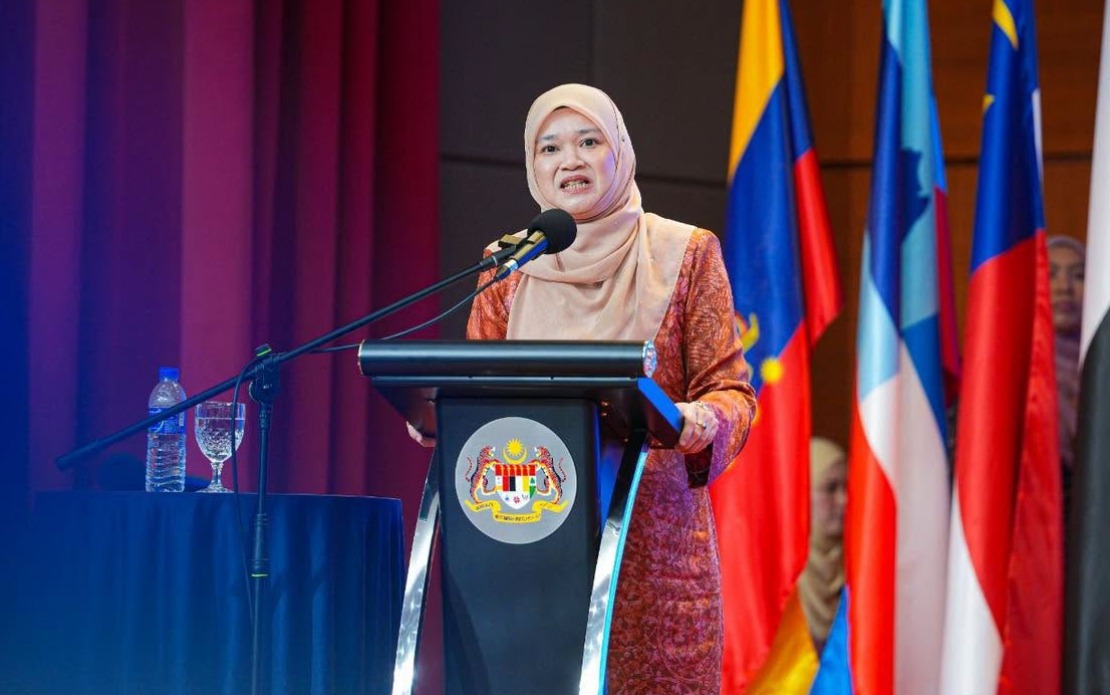
The Malaysian Education Ministry has committed to a significant policy shift that could transform educational prospects for incarcerated youth. During the closure of the 17th Hijrah Kasih Programme in Kajang, Education Minister Fadhlina Sidek announced that the ministry will formally recognise merit earned through participation in co-curricular activities—including sports—when students from prison institutions apply for university admission. This represents a broader acknowledgement that educational achievement extends beyond traditional academic examination results, particularly for a vulnerable population facing substantial systemic barriers to social reintegration.
The initiative reflects growing recognition within Malaysia's education establishment that students completing their studies within prison facilities should not face permanent disadvantage in accessing higher education simply because of their custodial circumstances. Fadhlina emphasised that the timing of intervention is critical, occurring at the transitional moment when students complete their Sijil Pelajaran Malaysia (SPM) examinations and prepare for release back into society. By incorporating co-curricular recognition into university admission considerations, the ministry aims to create measurable advantages for candidates whose institutional environment might otherwise seem to discount their achievements in the eyes of tertiary institutions.
Complementing the co-curricular recognition initiative, the Education Ministry will simultaneously explore awarding formal skills certificates to students who complete vocational training programmes while incarcerated. Prison school students currently acquire practical competencies in fields such as sewing, food preparation, and other trades that hold genuine employment potential upon release. Currently, these skills acquisitions receive no official certification despite their labour market value. Establishing a formalised certification pathway would provide tangible credentials that students can present to employers, addressing a critical gap between the skills they develop and employers' ability to verify those capabilities. This dimension of the policy particularly addresses Malaysia's broader technical and vocational education agenda, creating alignment between prison institution training and the national TVET (Technical and Vocational Education and Training) framework.
The statistical backdrop supporting these reforms is striking. Students attending school programmes within Malaysian prison institutions have achieved a 100 per cent pass rate in SPM examinations for two consecutive years—a performance metric that rivals or exceeds many conventional schools. This remarkable achievement underscores Fadhlina's core message: that educational success correlates not with institutional setting but with individual determination and commitment. The data suggests that incarcerated students, despite psychological trauma, limited parental contact, and restricted social environments, demonstrate exceptional academic discipline. Yet this excellence has historically been constrained by their inability to translate SPM success into university opportunities due to the limited recognition of their broader educational engagement beyond examination performance.
The Physical, Sports and Co-curricular Assessment (PAJSK) framework plays a pivotal role in this evolving policy architecture. Currently, PAJSK scores form a component of university admission consideration for mainstream school students, typically contributing approximately 10 per cent toward merit calculations. The ministry aims to have PAJSK scores for prison institution students formally recognised this year, meaning that SPM candidates graduating from 2027 onwards will become eligible for this 10 per cent merit advantage when submitting university applications. This represents a crucial normative shift—extending the same recognition mechanisms available to conventionally schooled students to those in custodial settings, thereby reducing the structural disadvantage these candidates face in competitive tertiary admissions processes.
Parental and familial support emerges as another dimension the ministry acknowledges requires attention. Fadhlina highlighted that many incarcerated students experience profound parental estrangement during their most vulnerable periods, and strengthening these relationships remains essential to sustaining educational motivation. The ministry's recognition of this reality suggests understanding that educational policy alone cannot address the psychological and relational dimensions affecting student outcomes. By creating concrete pathways to university and vocational credentials, the ministry attempts to provide students and families with hope and tangible objectives that might encourage sustained engagement and reconciliation.
Digital learning provision represents another expansion within this policy framework. The ministry is advancing plans to provide teachers at integrity schools and Henry Gurney schools (Malaysia's dedicated educational facilities within correctional institutions) with access to the DELIMa (Digital Educational Learning Initiative Malaysia) platform. More ambitiously, the ministry is studying controlled-access provisions that would allow students themselves to participate in online learning and access digital educational materials. This initiative recognises that custodial settings create knowledge asymmetries—incarcerated students may fall behind peers in conventional schools accessing cutting-edge digital resources. Providing comparable digital learning infrastructure helps ensure that prison institution students maintain educational parity and develop digital literacy skills increasingly essential for tertiary education and modern employment.
The broader implication of these reforms extends beyond individual student benefit to encompass social rehabilitation philosophy. By positioning education as a genuine pathway to improved life outcomes following release, Malaysia's Education Ministry signals commitment to reducing recidivism through human capital development. Students who successfully complete SPM while incarcerated, earn PAJSK merit, obtain TVET certification, and secure university admission experience tangible validation and educational momentum. Such individuals face substantially altered incentive structures upon release—university enrolment provides purpose, social integration through campus community, and professional credentials that reduce motivation toward criminal recidivism. This preventative approach to criminal justice represents an economically and socially rational investment compared to incarceration alone.
Implementation timelines suggest measured but purposeful progress. The ministry targets PAJSK score recognition this calendar year, enabling 2027 SPM cohorts to immediately benefit from the 10 per cent merit allocation upon university application. This phased approach allows institutional preparation time while establishing clear implementation deadlines that prevent indefinite delay. Similarly, TVET skills certification discussions with relevant divisions indicate parallel policy development rather than siloed initiatives, suggesting integrated thinking across Malaysia's educational institutions.
For Malaysian families with incarcerated youth, this policy shift fundamentally reframes the narrative around custodial education. Rather than imprisonment marking educational terminus, students can envision meaningful progression through tertiary credentials and skilled employment. The explicit ministerial commitment to examining parental support mechanisms also acknowledges the family dimension of rehabilitation—recognition that sustained contact and encouragement from relatives substantially influences incarcerated students' educational persistence and post-release social reintegration.
Regionally, Malaysia's approach offers a model for Southeast Asian neighbours grappling with similar challenges. Most ASEAN nations lack formalised pathways enabling incarcerated youth to translate prison-based education into competitive advantage in tertiary admissions. Malaysia's policy demonstrates that such mechanisms are administratively feasible while potentially yielding significant social returns. The integration of skills certification with academic recognition further differentiates Malaysia's approach, acknowledging diverse educational pathways beyond traditional university progression.
The success of these initiatives ultimately depends on implementation fidelity and sustained institutional commitment. Teachers at prison institutions require adequate training and resources. University admissions offices must genuinely recognise PAJSK scores rather than treating them as marginal considerations. TVET employers must value certificates from incarcerated candidates. These implementation challenges remain substantial, yet the ministerial commitment articulated at Kajang represents essential foundational acknowledgement that incarcerated students possess agency, capacity, and entitlement to educational advancement equivalent to their conventionally schooled peers.

