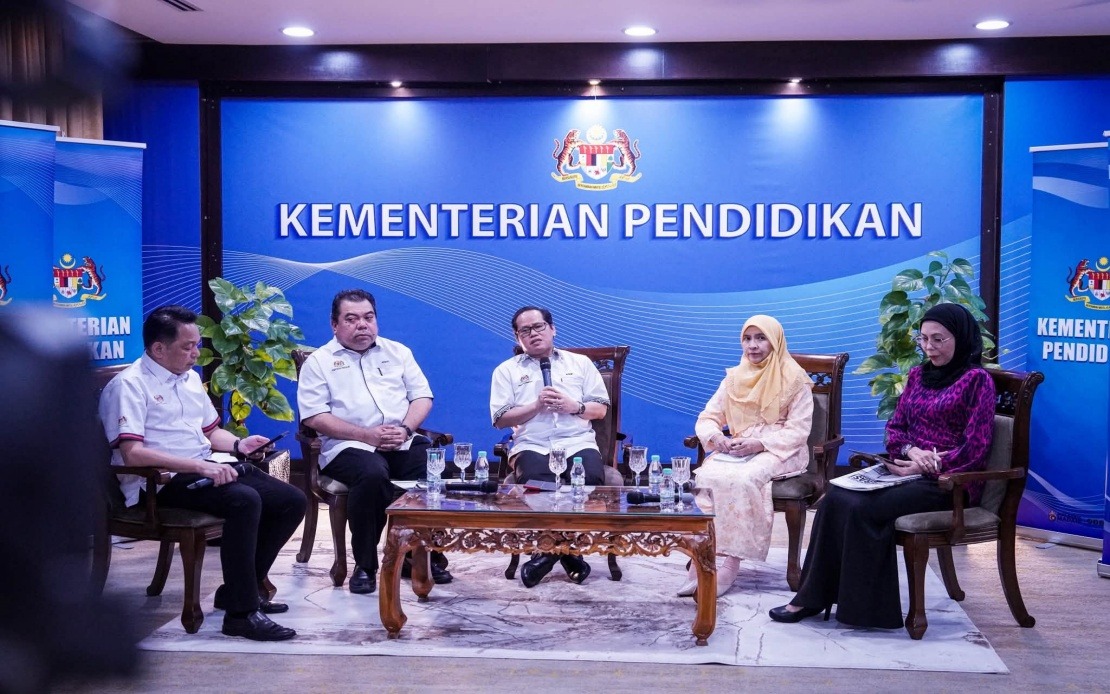
The Malaysian education system is grappling with an escalating crisis that extends far beyond academic performance, prompting the Ministry of Education to introduce a sweeping protective framework designed to shield students from physical harm, psychological distress, and exploitation. Education director-general Datuk Mohd Azam Ahmad revealed during a policy dialogue that the ministry receives alarming daily reports of student injuries, with incidents occasionally reaching double figures in a single day, a disclosure that underscores the scale of the challenge facing schools nationwide. The gravity of these statistics prompted the formulation of what officials describe as a comprehensive Student Protection Policy intended to establish consistent safety protocols across all 10,258 schools in the country.
The nature and frequency of incidents reaching ministry headquarters paint a stark picture that contradicts the outward appearance of many Malaysian schools. While communities and parents may perceive their local schools as orderly institutions where normality prevails, the administrative reality suggests otherwise. Datuk Mohd Azam emphasised that beneath the veneer of calm operations, educators and administrators encounter a constant stream of safety concerns demanding immediate intervention and more rigorous systemic responses. This disconnect between public perception and operational reality represents a critical communications challenge for the education sector, as it must convince stakeholders that strengthened measures are justified by genuine, quantifiable risks rather than bureaucratic overreach.
The policy framework, formally announced through a July 1 circular known as Surat Pekeliling Ikhtisas (SPI), represents the ministry's attempt to address root causes of student harm rather than merely respond reactively to incidents. The directive requires all school personnel and external parties with access to school grounds to sign a Letter of Compliance with the Student Protection Policy, creating a contractual commitment to student safety that extends accountability beyond teaching staff to include ancillary workers, contractors, and visiting professionals. This expansive approach acknowledges that threats to student welfare originate from multiple sources and cannot be combated through isolated departmental efforts.
The circular encompasses six interconnected reform areas that reflect contemporary understanding of adolescent development and the multifaceted threats facing young people in modern Malaysia. Mental health support takes central stage, recognising that psychological wellbeing directly influences academic performance and social integration. The policy also addresses reproductive and social health education, acknowledging that comprehensive knowledge reduces vulnerability to exploitation and poor decision-making. Simultaneously, the framework prioritises prevention of child sexual violence and substance abuse—two escalating concerns in Malaysian society that schools increasingly must address as first-line interventions.
Education director-general Datuk Mohd Azam noted that contemporary challenges stem partly from the dramatically altered context in which Malaysian youth develop compared to previous generations. Today's students navigate a sophisticated digital landscape that exposes them to external influences, peer pressures, and exploitative content at ages when their judgment and resilience remain underdeveloped. The proliferation of social media, online gaming platforms, and dark web communities means that threats to student safety no longer remain confined to physical school premises but permeate home environments and peer networks beyond institutional oversight. Schools must therefore adapt their protective strategies to address hazards that exist primarily in virtual spaces while maintaining responsibility for students they cannot directly supervise.
The expanding role of teachers constitutes another dimension driving policy reform. Malaysian educators increasingly operate as de facto counsellors, social workers, and mental health advocates alongside their fundamental academic mission. The profession now requires practitioners to identify signs of abuse, recognise mental health deterioration, facilitate difficult conversations about reproductive health, and intervene in substance misuse situations—competencies that extend far beyond subject matter expertise. By establishing clear protocols and guidelines through the Student Protection Policy, the MOE attempts to provide educators with professional frameworks for fulfilling these expanded responsibilities while protecting teachers themselves from accusations of overreach or inappropriate conduct.
The dialogue session convened to discuss the policy brought together key stakeholders including Dr Farah Nini Dusuki, Children's Commissioner of the Human Rights Commission of Malaysia (SUHAKAM), whose participation signals alignment between educational authorities and human rights bodies. This institutional coordination matters significantly for Malaysian schools, as it suggests that student protection measures incorporate established human rights principles rather than representing purely administrative convenience. SUHAKAM's involvement lends legitimacy to the framework while creating external accountability mechanisms that internal ministry oversight alone cannot provide. The inclusion of MOE Daily School Management Division director Hanafi Abdul Samad and MOE Educational Policy Planning and Research Division director Datin Rosliza Rosli ensured that practical implementation considerations and evidence-based research informed policy discussion.
For Malaysian and Southeast Asian educators, the policy announcement carries both practical and philosophical implications. Practically, schools must now develop internal monitoring systems, staff training programmes, and reporting mechanisms aligned with ministry standards. This requires resource allocation at institutional level at a time when many schools operate under budget constraints. Philosophically, the policy represents ministerial recognition that student protection constitutes a core educational function rather than peripheral welfare consideration. This represents philosophical maturation in how Malaysia's education system conceptualises its responsibilities, moving beyond narrow focus on examination outcomes toward more holistic understanding of school as institutions entrusted with developing healthy, psychologically resilient citizens.
The Student Protection Policy also reflects broader regional trends as Southeast Asian nations confront similar student safety crises intensified by rapid urbanisation, digital connectivity, and socioeconomic pressures. Malaysia's comprehensive approach may establish benchmarks that neighbouring countries reference as they formulate their own protective frameworks. International safeguarding standards increasingly emphasise holistic student protection encompassing physical safety, mental health, protection from exploitation, and development of personal agency—precisely the domains the Malaysian policy addresses. By implementing such measures systematically across 10,258 schools, Malaysia positions itself as a regional leader in institutionalising student protection as fundamental educational practice.
Implementation success, however, depends critically on resource allocation and sustained institutional commitment beyond initial policy announcement. Training programmes must ensure teachers understand their responsibilities under the new framework without overwhelming them with additional burden. Reporting mechanisms must function efficiently without creating perverse incentives that either over-report minor incidents or suppress reporting through administrative frustration. Schools require adequate counselling staff, mental health resources, and support services to address identified problems rather than merely documenting them. The true measure of this policy initiative will not be its existence on paper but rather the observable changes in school environments where students genuinely experience enhanced safety, psychological support, and protective mechanisms functioning as intended.

