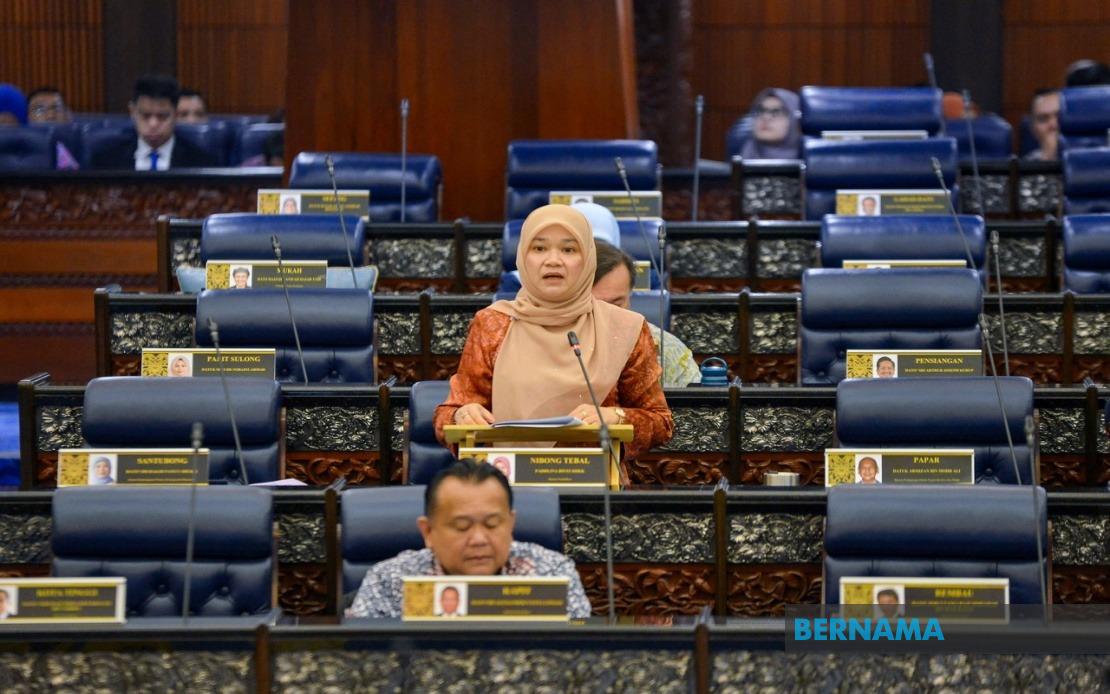
The Ministry of Education is escalating its commitment to student safety through a multi-pronged approach that combines institutional audits, infrastructure upgrades, and collaborative oversight mechanisms. Education Minister Fadhlina Sidek outlined the enhanced framework during parliamentary questioning this week, emphasising that the ministry recognises safety as a fundamental pillar of the education system. Rather than applying a one-size-fits-all approach, the ministry will evaluate each incident involving student welfare on its individual merits, acknowledging the complex interplay of physical security, emotional wellbeing, and psychological factors that influence a safe school environment.
Central to this initiative is the establishment of a special coordinating committee drawing on expertise from multiple government agencies and external organisations. This collaborative structure reflects growing recognition that school safety extends beyond traditional security measures to encompass building standards, environmental hazards, fire prevention protocols, and broader institutional practices. The National Institute of Occupational Safety and Health has been enlisted to provide technical guidance and training in these specialised areas, ensuring that safety standards at individual schools meet established benchmarks. School-level coordinators will receive targeted training to implement and maintain these safety protocols, creating a cascading chain of responsibility from ministry level down to individual institutions.
The ministry has codified its safety approach through two foundational policy documents introduced on June 11. The Safe School Management Guidelines and School Student Protection Policy now serve as the reference framework for all educational institutions nationwide, providing clear standards for physical security, social interactions, and emotional support systems. These guidelines operationalise five core strategic pillars: prevention through proactive risk identification, monitoring via systematic observation and data collection, reporting mechanisms that encourage transparency, intervention protocols for when incidents occur, and enforcement procedures to ensure compliance. This structured approach transforms school safety from a reactive crisis-management function into a preventative, systems-based responsibility.
Physical infrastructure investments form a tangible component of the enhanced safety regime. The ministry is substantially expanding closed-circuit television coverage across schools, with a target of 333 schools receiving CCTV installations in the current year compared to 200 schools in the previous year. This represents a 66 percent increase in surveillance capacity and indicates the scale of the modernisation effort underway. Beyond cameras, the appointment of 300 hostel wardens beginning April 1 addresses a critical gap in overnight student supervision. Boarding school students, who represent a vulnerable population due to their separation from parental oversight during night hours, will benefit from enhanced staffing ratios and dedicated monitoring personnel trained specifically for after-hours supervision.
Bullying has emerged as a priority concern, prompting the ministry to revise its disciplinary frameworks in alignment with legislative developments. The Anti-Bullying Act 2026, which took effect on June 16, established new legal parameters for addressing peer harassment. The ministry is now updating its internal guidelines for investigating and responding to bullying allegations to ensure consistency with this statutory framework. This synchronisation between educational policy and criminal law creates a more coherent system for protecting students from peer victimisation and holding perpetrators accountable through appropriate channels, whether disciplinary, therapeutic, or legal.
Addressing parental anxieties about bullying specifically, the minister outlined a comprehensive assessment methodology that transcends simple incident recording. Each case involving alleged bullying will undergo thorough evaluation supported by certified counsellors who can assess both the immediate circumstances and underlying psychological dimensions. This clinical dimension recognises that bullying often reflects deeper issues of emotional disturbance, social maladjustment, or environmental stressors affecting both perpetrators and victims. Rather than limiting intervention to punishment, the framework emphasises therapeutic and restorative elements that can help affected students process trauma and develop healthier relationship patterns.
Parent and community engagement forms another pillar of the safety enhancement strategy. The Parent-Teacher Association mechanism, combined with the broader Parent, Community and Private Sector Involvement initiative, incorporates families into the safety architecture. These bodies provide additional eyes and ears within school environments while fostering shared ownership of safety outcomes. Parents' concerns, observations, and feedback flow into incident assessment processes, enriching the information available to school administrators and counsellors. This inclusive model acknowledges that student safety is not purely an institutional responsibility but a collective endeavour requiring coordination across multiple stakeholders.
For Malaysia and the Southeast Asian region, this institutional recalibration reflects broader global trends in educational governance where safety has become inseparable from educational quality. The enhanced auditing and monitoring regime creates measurable accountability structures that allow for performance tracking and continuous improvement. Schools that demonstrate robust safety practices will be identifiable within data systems, potentially informing parental school selection decisions and creating competitive incentives for institutional excellence in this domain. The commitment to individualised case assessment, meanwhile, represents a sophistication in educational policy that acknowledges variation in student needs and contextual factors rather than imposing rigid protocols.
The infrastructure investments signal ministerial confidence in technological and human resource solutions to safety challenges. However, the emphasis on guidelines and coordination mechanisms indicates recognition that sustainable safety cultures require institutional embedding rather than merely installing equipment. Training initiatives and policy frameworks that filter through to school level will determine whether safety investments translate into actual behavioural change. The staggered implementation of new wardens and CCTV expansion across the school year suggests a planned, phased approach rather than emergency crisis response, indicating confidence that current safety concerns can be addressed through structured, methodical improvement.

