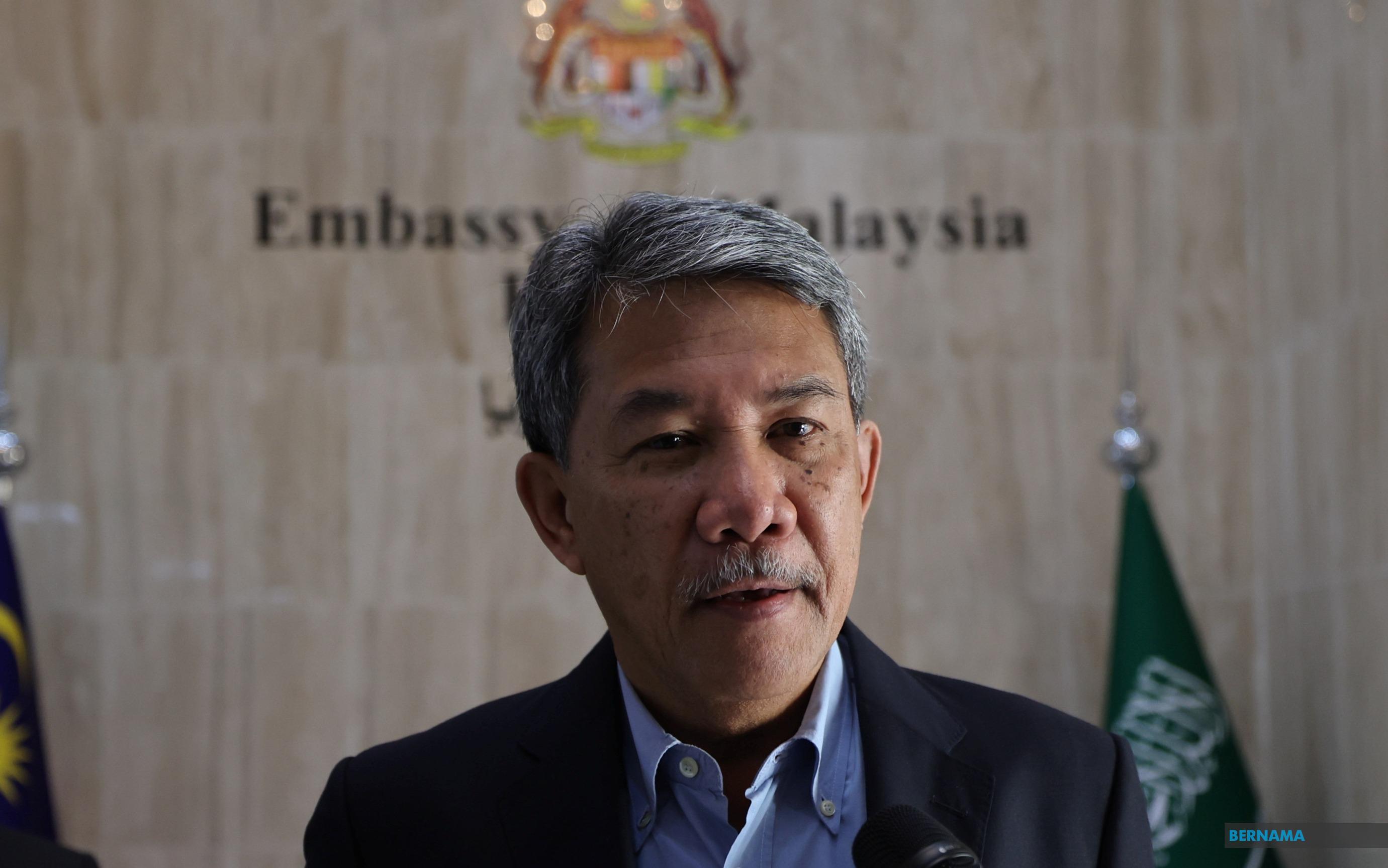
Foreign Minister Datuk Seri Mohamad Hasan has arrived in Jeddah to represent Malaysia at a crucial gathering of the Organisation of Islamic Cooperation's Council of Foreign Ministers, underscoring the nation's continued commitment to regional diplomatic engagement on Middle Eastern affairs. His arrival at King Abdulaziz International Airport on August 26 marks the beginning of Malaysia's participation in what is expected to be a focused discussion on the escalating situation facing Palestinian territories, positioning the country among the voices advocating for Palestinian rights within the broader Islamic world.
The extraordinary meeting convened by the OIC represents a significant moment for multilateral diplomacy in response to ongoing developments that have drawn international concern. The agenda encompasses a range of interconnected issues affecting the Palestinian people, including the humanitarian and security situation in Gaza, the circumstances affecting residents of the West Bank, and the continued expansion of Israeli settlements in occupied territories—matters that have generated sustained discussion within Islamic and non-aligned forums worldwide.
Malaysian Ambassador to Saudi Arabia Datuk Syed Bakri Syed Abdul Rahman provided the diplomatic reception for the Foreign Minister, reflecting the formal nature of the engagement. Through his remarks, Syed Bakri articulated Malaysia's perspective on the significance of this gathering, emphasizing that the nation's participation carries meaning beyond mere attendance—it represents an opportunity to communicate Malaysia's principled stance regarding Israeli military and political actions in Palestinian territories.
The delegation's composition, with Mohamad at its head, signals that Kuala Lumpur views this matter as commanding attention at the highest levels of the foreign ministry. As the leading voice representing Malaysian interests in the discussion, he will deliver a National Statement that is expected to reaffirm longstanding Malaysian policy positions on Palestinian self-determination and territorial integrity. This statement will articulate Malaysia's endorsement of the Palestinian people's legitimate aspirations for statehood, grounded in the internationally recognized pre-1967 borders framework that has formed the basis of numerous peace initiatives and United Nations resolutions.
Malaysia's consistent advocacy for Palestinian rights reflects both historical alignment with broader Non-Aligned Movement principles and the country's significant Muslim-majority population, which maintains strong cultural and religious connections to developments in the Middle East. The nation has previously positioned itself as a vocal supporter of Palestinian causes within international forums, and this OIC meeting provides another platform for reiterating these commitments alongside other Muslim-majority nations.
Beyond the formal agenda concerning Palestine, the Jeddah visit presents opportunities for bilateral engagement that Malaysian diplomacy typically pursues during high-level visits. Mohamad is expected to engage in discussions with foreign ministers from other participating nations, exploring avenues for deepening economic and political cooperation. These conversations often identify possibilities in commercial partnerships, trade expansion, and investment initiatives that can benefit Malaysian businesses and strengthen regional economic ties.
The timing of this extraordinary meeting reflects the fluid and pressing nature of Middle Eastern developments, which periodically prompt the OIC to convene urgent gatherings beyond its regular schedule. Such meetings demonstrate the organization's role as a forum through which member states coordinate responses to situations affecting Muslim populations and Islamic interests globally. For Malaysia, participation serves both to amplify its voice on matters of principle and to maintain active engagement within this significant international organization.
The diplomatic infrastructure supporting Malaysia's presence in Jeddah—including the established embassy presence and established bilateral relationships—facilitates the kind of intensive engagement that these high-level visits entail. The coordination between the embassy and visiting ministerial delegations enables Malaysia to optimize its influence and ensure that its positions are effectively communicated both in formal multilateral settings and in bilateral conversations with key counterparts.
From a Southeast Asian perspective, Malaysia's diplomatic activism on Palestinian matters reflects the region's broader engagement with global issues transcending immediate geographic boundaries. The nation's willingness to lead delegations and deliver substantive statements at OIC forums demonstrates how ASEAN's Muslim-majority members maintain distinct foreign policy profiles while contributing to regional stability through multilateral engagement. This balancing act requires careful calibration of principle with pragmatism, particularly given Malaysia's diverse economic relationships and strategic partnerships.
The outcomes of such meetings—both formal resolutions and informal understandings—inform the policy environment within which Malaysian diplomacy operates. Whether through strengthened consensus among OIC members or through specific bilateral conversations, these gatherings generate momentum for coordinated positions on shared concerns. For Malaysia, the Jeddah meeting represents an opportunity to reinforce its credentials as a responsible voice within Islamic international relations while advancing specific national interests through diplomatic channels that have been developed and maintained over decades of engagement.

