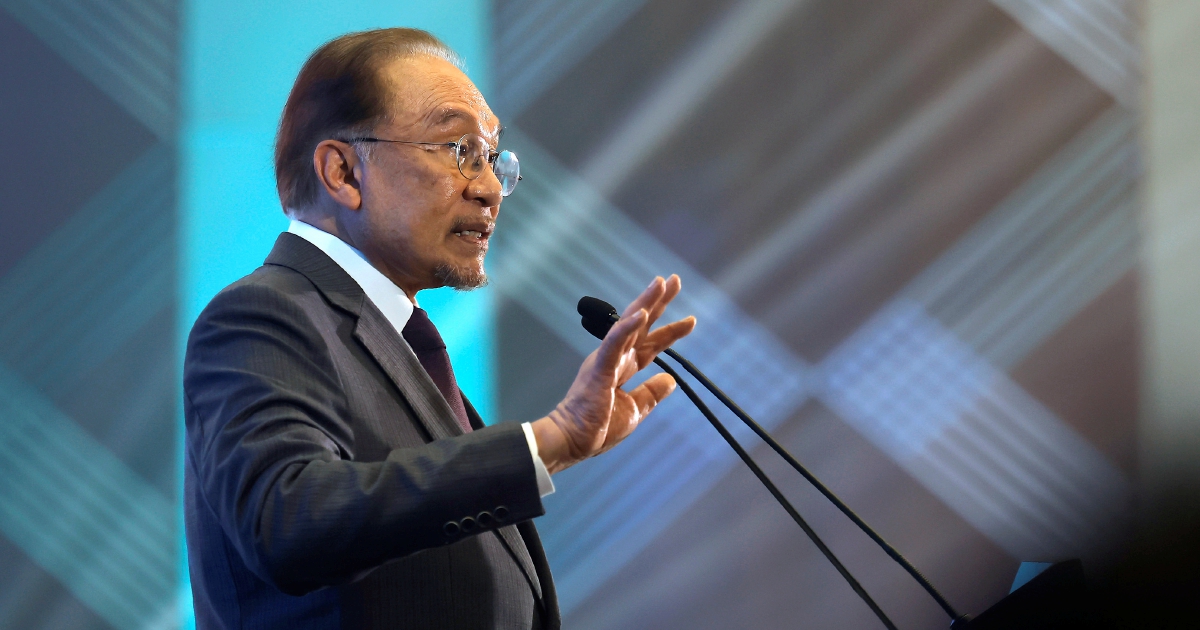
Malaysia's anticipated return to the Formula 1 calendar underscores the nation's growing confidence in its ability to deliver world-class sporting infrastructure and organisation, according to Prime Minister Datuk Seri Anwar Ibrahim. The confirmation to host the Formula 1 Gulf Air Bahrain Grand Prix at the Sepang International Circuit represents more than just a one-off racing event; it reflects broader ambitions to position Malaysia as a destination capable of managing complex, high-stakes international competitions that attract global attention and investment.
The Sepang circuit, located in Selangor's industrial heartland roughly 50 kilometres south of Kuala Lumpur, has undergone significant development since its previous involvement with Formula 1. The track's modernisation and infrastructure upgrades demonstrate Malaysia's commitment to maintaining international standards for motorsport. For Southeast Asia, the reinstatement of a Grand Prix in the region carries particular weight—it reaffirms the continent's importance to global sporting calendars and signals that Malaysian venues can compete effectively against established international racing circuits across Europe, Asia, and the Middle East.
The implications of hosting Formula 1 extend well beyond the racetrack itself. Major Grand Prix events generate substantial economic activity through accommodation, hospitality, transportation, and tourism. International broadcasters beaming the race to millions worldwide provide Malaysia with invaluable global exposure, elevating the country's profile among international investors, tourists, and business partners. The event draws high-net-worth individuals and corporate executives, creating networking opportunities that can yield commercial partnerships extending far beyond the racing weekend.
Anwar's remarks suggest that the government views this sporting success as validation of Malaysia's broader ambitions to host significant international conferences, exhibitions, and events. In the post-pandemic era, countries across Southeast Asia have intensified competition to secure prestigious events that demonstrate economic dynamism and organisational capability. Malaysia's track record with Formula 1—combined with its existing facilities and experience hosting major tournaments, conferences, and entertainment events—positions it competitively in this contest for global attention and investment.
The motorsport sector itself carries strategic importance for Malaysia's economic diversification agenda. Formula 1 involvement stimulates interest in automotive engineering, manufacturing, and technology sectors. The presence of a Grand Prix can serve as a catalyst for developing domestic expertise in specialised fields such as advanced automotive engineering, data analytics for racing, and premium hospitality services. These capabilities, once developed, often extend into other high-value industries that contribute meaningfully to Malaysia's economic transformation goals.
International visitors attending a Formula 1 Grand Prix tend to be affluent and highly engaged consumers. This demographic aligns well with Malaysia's tourism positioning as a premium destination offering luxury experiences, cultural attractions, and modern amenities. The race weekend provides opportunities to showcase Malaysia's hospitality sector, demonstrating world-class services in hotels, restaurants, and entertainment venues. Such exposure cultivates repeat visitation and encourages international visitors to recommend Malaysia to peers and colleagues.
From a regional perspective, Malaysia's successful hosting of Formula 1 creates positive spillover effects throughout Southeast Asia. The event attracts international media coverage that often features Malaysian culture, commerce, and attractions beyond the sporting venue. This soft power benefit reinforces Malaysia's position as a regional economic and cultural hub, particularly important as the nation continues developing its standing as a centre for Islamic finance, halal commerce, and emerging technologies within ASEAN and the broader Asia-Pacific region.
The logistical and security requirements for hosting Formula 1 are exceptionally demanding. International motorsport governing bodies enforce rigorous standards for track safety, medical facilities, security protocols, and organisational capacity. Successfully meeting these requirements demonstrates that Malaysia possesses sophisticated event management capabilities, trained personnel, and robust systems capable of handling complex international operations. These competencies prove transferable to other major events and initiatives requiring similar levels of coordination and precision.
For Malaysian youth and motorsport enthusiasts, Formula 1's return offers aspirational inspiration and practical opportunities. The event catalyses interest in engineering, motorsport technology, and competitive sports, potentially channelling talented young Malaysians into careers in these fields. It signals to the world that Malaysia values innovation, technology, and excellence—messages that reinforce the nation's efforts to position itself as a forward-thinking, modern economy within the global competitive landscape.
The announcement also reflects Malaysia's recovery trajectory following economic uncertainties of recent years. Hosting major sporting events requires confidence from government and private sector partners willing to commit capital and resources. The decision to bring Formula 1 back to Sepang signals optimism about Malaysia's economic fundamentals and growth prospects, reassuring international investors and stakeholders about the nation's stability and future potential.
Looking forward, Anwar's emphasis on Malaysia's event-hosting capability suggests the government will pursue additional major international competitions and conferences. This strategic approach aligns with broader economic ambitions to develop higher-value service sectors beyond traditional manufacturing. By establishing Malaysia as a preferred destination for prestigious global events, policymakers aim to create sustainable competitive advantage in a tourism and hospitality economy increasingly central to the nation's long-term development strategy.

