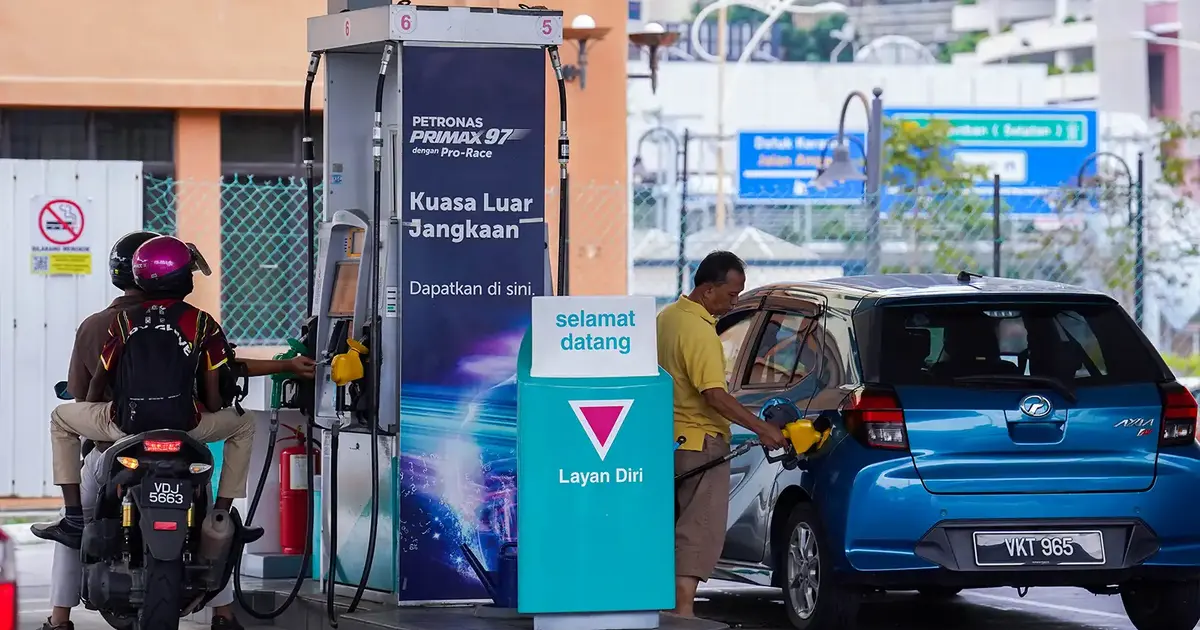
Prime Minister Anwar Ibrahim has disclosed that Malaysia's fuel subsidy expenditure is projected to climb to RM40 billion in 2026, underscoring the substantial fiscal burden that energy price support continues to impose on the national budget. The figure represents a significant allocation within government spending and reflects ongoing policy commitments to maintain affordable fuel prices for consumers and businesses throughout the country. This projection comes as the government navigates complex economic pressures and seeks to balance social welfare obligations with fiscal sustainability.
The anticipated RM40 billion subsidy outlay highlights the persistent challenge Malaysia faces in managing energy costs while addressing public expectations for affordable petrol and diesel. Fuel subsidies have long been a contentious policy area, with competing demands from households seeking relief at the pump and policymakers concerned about government finances. The projection suggests that energy support will remain one of the largest discretionary spending items in the federal budget, requiring careful management alongside other development priorities and social programmes.
Anwar Ibrahim took the opportunity to reassure Malaysians that despite budgetary pressures, the country's petroleum supply remains stable and fully adequate to meet anticipated demand. This statement carries particular significance given regional energy dynamics and global oil price volatility, which can affect domestic fuel availability and pricing. The Prime Minister's emphasis on supply security addresses implicit concerns among consumers and businesses about potential shortages or disruptions that could impact economic activity and household finances.
Malaysia's position as an oil and gas producer provides a degree of insulation from supply shocks that afflict purely importing nations, yet the government's commitment to subsidising domestic fuel prices creates a direct relationship between global crude prices and fiscal strain. When international oil markets surge, the gap between regulated domestic prices and production costs widens, forcing the government to allocate greater resources to maintain affordability. This structural vulnerability explains why fuel subsidy projections figure prominently in budget planning and fiscal forecasts.
The RM40 billion figure also reflects broader economic assumptions embedded in the government's medium-term outlook, including expectations about oil prices, consumption patterns, and currency movements. Petrol demand fluctuates with economic growth, transportation volumes, and household consumption behaviour, all of which are subject to change based on unforeseen circumstances. The government's confidence in supply adequacy must therefore be understood within the context of these underlying assumptions, which may require adjustment should economic conditions shift significantly.
For Malaysian consumers and businesses, the fuel subsidy commitment carries both immediate and long-term implications. While subsidies keep pump prices low in the short term, the substantial budget allocation diverts resources from other spending areas including infrastructure, education, and healthcare. This trade-off between energy support and other public investments represents a fundamental policy choice that shapes national development priorities and fiscal space for competing programmes.
The disclosure also holds implications for Malaysia's regional standing within Southeast Asia. Several neighbouring nations have pursued fuel subsidy reform, reducing or eliminating price controls to ease fiscal burdens and encourage efficiency. Malaysia's continued commitment to substantial fuel support distinguishes its policy approach and signals government priorities regarding affordability and social welfare. This positioning influences regional energy markets and may affect cross-border fuel dynamics.
From an investor perspective, the RM40 billion subsidy projection reflects government commitment to maintaining business-friendly energy costs, which supports competitive manufacturing and logistics sectors. However, the substantial fiscal commitment also raises questions about long-term sustainability and potential policy adjustments in subsequent years. Investors monitor subsidy trends closely, as sudden reforms or reductions could alter operating costs across energy-intensive industries.
The government's reaffirmation of petroleum supply stability also addresses technical infrastructure concerns. Malaysia operates refining capacity, distribution networks, and strategic storage facilities that enable reliable fuel delivery throughout the peninsula and East Malaysia. Maintenance of these systems and ongoing investment in energy infrastructure underpin the government's confidence in supply adequacy, though such infrastructure requires continuous attention and capital investment to prevent degradation.
Looking forward, the RM40 billion subsidy projection invites scrutiny regarding the sustainability of current policy approaches. Economists and policy analysts frequently debate whether fuel subsidies represent the most efficient mechanism for achieving social objectives such as affordability and economic competitiveness. Alternative approaches including targeted cash transfers, public transport investment, or gradual price adjustments feature regularly in policy discussions, though implementing such changes involves significant political considerations.
The Prime Minister's statement ultimately conveys dual messages: an acknowledgment that fuel support demands substantial government resources, coupled with assurance that supply security is not in question. This framing seeks to balance fiscal transparency with public confidence, addressing concerns about both government finances and energy availability. How Malaysia manages this dual challenge over the coming years will significantly influence both its fiscal trajectory and household economic security.

