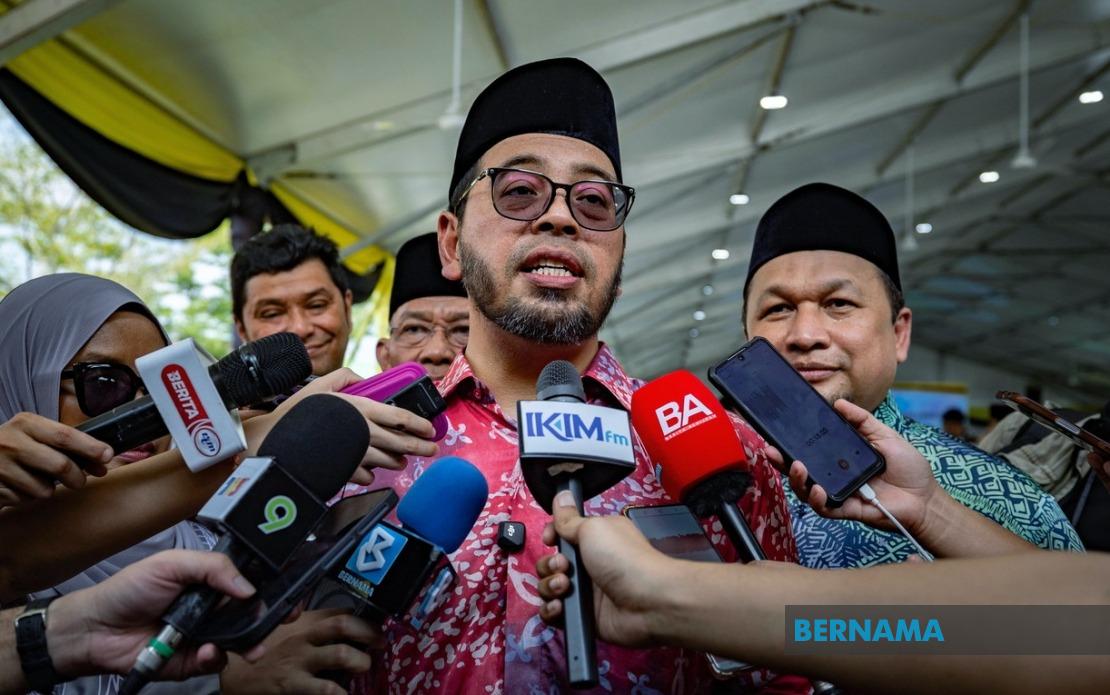
The federal government has reaffirmed its commitment to positioning pondok institutions, madrasahs and religious schools as central pillars in Malaysia's development agenda, moving beyond a purely economic framework to embrace a more holistic approach to nation-building. This recognition came through Minister Dr Zulkifli Hasan during the 2026 Perak Pondok and Religious Schools Gathering (HIPSA) at Sekolah Agama Bantuan Kerajaan Maahad Al-Ummah in Chemor, an event officiated by Prime Minister Datuk Seri Anwar Ibrahim alongside Perak Menteri Besar Datuk Seri Saarani Mohamad and Chief Secretary to the Government Tan Sri Shamsul Azri Abu Bakar.
At the heart of this policy shift lies a philosophical reorientation about what constitutes genuine national progress. Rather than measuring success solely through gross domestic product figures or the scale of infrastructure projects, the government now emphasises that a nation's true strength resides in the calibre of its citizenry and the ethical framework guiding development initiatives. This perspective reflects growing recognition among policymakers that economic advancement divorced from moral and spiritual foundations risks creating hollow material prosperity without corresponding improvements to social cohesion or individual well-being.
Dr Zulkifli articulated this vision by outlining the government's intention to deepen collaboration with state administrations, State Islamic Religious Departments, State Islamic Religious Councils and religious authorities across the country. The framework envisages these institutions working in concert to ensure Malaysia's educational landscape evolves methodically, maintains rigorous quality standards and remains responsive to contemporary societal requirements. This coordinated approach represents a departure from fragmented efforts and signals institutional support at the highest levels for integrating religious education into the broader national development strategy.
The gathering itself demonstrated the scale of engagement with these communities, attracting approximately 3,000 participants from pondok institutions, religious schools, Quranic classes (KAFA), non-governmental organisations and grassroots communities. This attendance figure underscores the reservoir of public interest in religious education and the appetite within these sectors for greater government partnership. Yayasan Dakwah Islamiah Malaysia (YADIM), the organising body, structured the event to combine both practical assistance and intellectual exchange.
Practical support featured prominently through the distribution of MADANI Aid Baskets to 12 representative recipients, symbolising support extending to 250 beneficiaries within the surrounding community. Beyond immediate relief measures, the gathering distributed food essentials to vulnerable families and presented mock cheques representing sponsorships for pondok students as well as funding for the Fast Track Sijil Pelajaran Malaysia programme. Such targeted interventions address the financial pressures facing families dependent on religious education sectors, where resources often prove stretched.
The intellectual dimension emerged through a forum titled "The Role of Religious Scholars and Leaders in Nation Building," featuring accomplished speakers including Kelantan scholar Sheikh Wazir Che Awang Al-Makki, former Perak mufti Datuk Seri Wan Zahidi Wan Teh and preacher Ustaz Mohamad Saifuddin Abdul Latiff. This platform created space for reflection on how religious leaders can contribute constructively to national discourse and development, moving beyond purely ceremonial roles to substantive participation in shaping policy and societal direction.
The timing of HIPSA 2026 reflects alignment with Malaysia MADANI, the governing framework prioritising welfare and human capital development over narrower economic metrics. By launching this initiative under the MADANI umbrella, the government signals that religious education constitutes an essential component of its broader vision for inclusive, values-centred growth. This positioning carries significance for Southeast Asia's largest Muslim-majority nation, where education policy historically generated considerable public debate and occasionally fractious communal tensions.
For Malaysia's Islamic education sector, this government recognition addresses longstanding concerns about resource allocation and institutional status. Pondok institutions and madrasahs have historically operated with limited state funding compared to secular counterparts, relying heavily on community contributions and religious endowments. Formalising their role as strategic partners potentially unlocks greater budgetary allocations and policy influence while acknowledging their irreplaceable role in transmitting Islamic knowledge and values to successive generations.
The emphasis on supporting KAFA teachers within this framework deserves particular attention, as these educators represent the grassroots infrastructure through which religious instruction reaches ordinary Malaysians. By specifically highlighting teacher welfare and professional development, the government implicitly recognises that institutional quality depends fundamentally on human resources. This attention to the teaching workforce suggests efforts to professionalise religious education and elevate its academic standards, potentially addressing historical perceptions of variable educational rigour across different pondok settings.
Regionally, Malaysia's approach carries implications for how other Muslim-majority societies conceptualise the relationship between religious education and state development agendas. The country's model—attempting to integrate religious institutions into comprehensive national frameworks while respecting their autonomy—offers a potential template for nations wrestling with similar tensions between secular modernisation and religious identity. Whether this partnership model successfully balances these competing pressures will prove instructive for policymakers across Southeast Asia and beyond.
Looking forward, the success of initiatives like HIPSA 2026 will largely depend on whether government recognition translates into sustained financial commitment and genuine institutional empowerment. The distribution of aid baskets and sponsorships, while symbolically important, represents relatively modest interventions. Meaningful impact would require substantial investments in infrastructure, teacher training programmes and curriculum development that keep religious education contemporary without compromising its foundational principles. The stated commitment to ongoing collaboration provides a foundation, but sustained political will and budgetary allocation will determine whether rhetoric transforms into tangible improvements for pondok communities and religious educational institutions nationwide.

