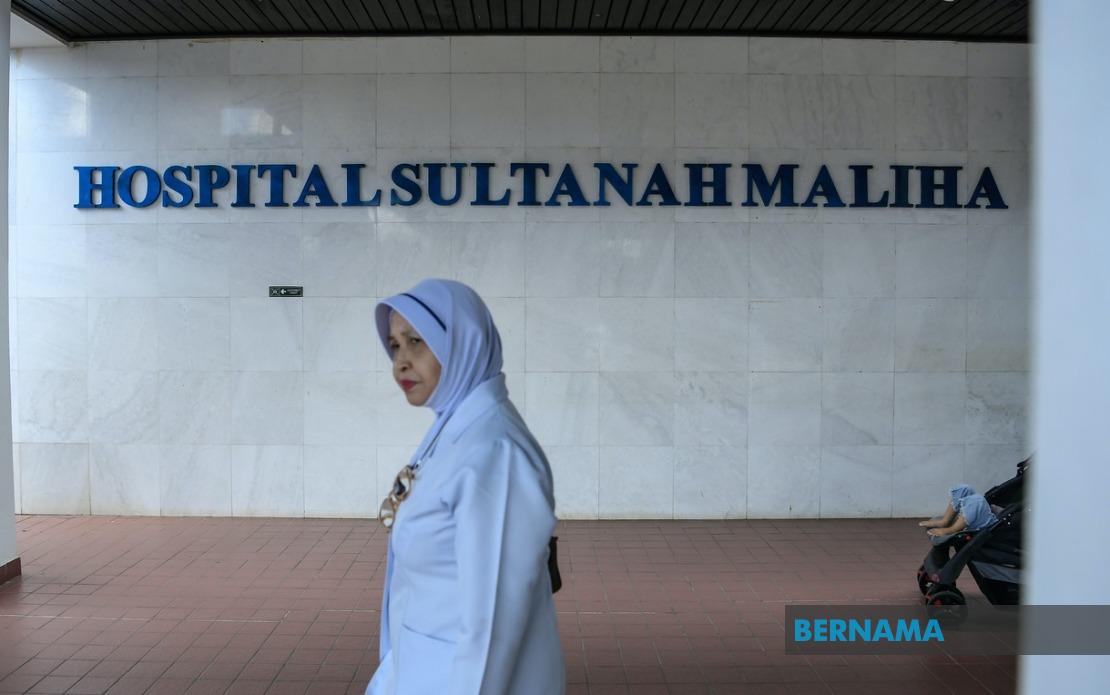
The Ministry of Health has substantially upgraded emergency medical services on Pulau Tuba, bringing modern healthcare infrastructure to one of Langkawi's more isolated communities. Unveiled this week by Health Minister Datuk Seri Dr Dzulkefly Ahmad at Klinik Kesihatan Pulau Tuba, the initiatives represent a coordinated effort to address longstanding challenges in delivering timely emergency care to island residents, a demographic often disadvantaged by geographical remoteness and weather-dependent transport limitations.
The centrepiece of this expansion is a purpose-built 48-foot sea ambulance, representing a RM1.45 million investment that commenced operations in late May. This vessel has been specifically engineered to transport patients safely across open water while delivering comprehensive emergency medical care during transit. The implementation demonstrates recognition by federal health authorities that standard overland ambulance services prove inadequate when ocean conditions or distance create bottlenecks in the patient referral chain. With approximately seven to ten emergency cases requiring sea-based transfer to mainland facilities monthly, the ministry's investment responds to a documented and consistent demand for enhanced maritime medical logistics.
What distinguishes this project from typical infrastructure rollouts is the accelerated timeline of its completion. Health ministry officials highlighted that efficient project management delivered the facility a full 18 weeks ahead of the originally scheduled deadline, suggesting either robust planning, streamlined procurement processes, or both. This acceleration proves significant in a Malaysian healthcare context where infrastructure projects frequently experience delays, cost escalations, and scheduling slippage. The early delivery indicates that dedicated focus on maritime emergency services—a niche area within health administration—can yield reliable outcomes when properly resourced.
The second major component addresses a critical vulnerability in maternal healthcare. The Emergency Birthing Unit, formally inaugurated in July 2024, represents a rebranding and substantial upgrade of the island's Alternative Birthing Centre, with RM50,000 directed towards equipment acquisition and facility enhancements. The conceptual shift from an alternative facility to an emergency-focused unit reflects evolved understanding of obstetric risk management in remote settings. Rather than positioning pregnancy management as a secondary or lower-acuity service, the EBU now functions as the frontline intervention point for pregnant women experiencing complications, particularly those whose conditions deteriorate during weather events that prevent sea crossing or hospital transfer.
Maternal mortality and morbidity represent persistent public health concerns across Southeast Asia, with rural and island communities typically experiencing worse outcomes than urban centres. By establishing dedicated obstetric emergency capacity at the point of care nearest pregnant women, Pulau Tuba's new facility addresses a structural vulnerability. The unit's protocols emphasize early identification of high-risk pregnancies through antenatal screening, systematic monitoring, and timely referral rather than attempting advanced interventions locally. This approach—preventing problems rather than attempting to manage them after they become critical—reflects evidence-based maternity care principles increasingly adopted across the region.
Since the EBU became operational, it has processed an average of six maternal referrals annually, managing risk stratification with sufficient effectiveness that no emergency deliveries have occurred on the island itself. While this metric might initially suggest low utilization, it actually reflects the facility's primary function: serving as a safety valve and decision-making centre rather than as a delivery service. The absence of emergency births indicates that the health team's screening and referral protocols are functioning effectively, identifying women at heightened risk well before labour complications potentially arise. This preventive approach generates better maternal outcomes than reactive emergency management.
The deployment of these services addresses a broader equity challenge within Malaysia's healthcare system. Island communities, particularly smaller settlements like Pulau Tuba with its 5,000 residents, have historically received proportionally lower investment in specialized emergency infrastructure compared to accessible urban and suburban populations. Geographic isolation creates genuine clinical disadvantages: patients experiencing acute myocardial infarction, severe trauma, or obstetric complications do not have the benefit of rapid ground transportation or walk-in access to tertiary facilities. Every additional minute in the acute phase of these conditions worsens outcomes. The sea ambulance and EBU narrow this gap, though not eliminate it entirely.
For Malaysian policymakers monitoring healthcare equity metrics, these Pulau Tuba investments offer a demonstrable model for extending emergency capacity to remote populations. The total financial commitment—approximately RM1.5 million including the sea ambulance, equipment upgrades, and presumably ongoing operational costs—proves manageable when considered against the alternative: accepting preventable mortality and morbidity because of geographic remoteness. Other island communities across Peninsular Malaysia, Sabah, and Sarawak facing similar access challenges may justify comparable investments based on this precedent.
The broader Southeast Asian context adds relevance to Malaysia's initiative. Regional nations including the Philippines, Indonesia, and Thailand similarly grapple with delivering emergency healthcare across archipelagic geographies and challenging terrain. Medical sea transport solutions, properly designed and staffed, offer replicable approaches that developed economies have employed for decades. Malaysia's investment in maritime emergency infrastructure positions it as a potential knowledge source for regional health systems working to achieve universal health coverage while managing geographic constraints.
Operational sustainability emerges as a critical question requiring attention. The sea ambulance requires trained maritime paramedics, regular vessel maintenance, fuel and operational costs, and coordination protocols with receiving facilities. The EBU needs ongoing staff deployment and supply chains for maternal health commodities. These ongoing expenses extend well beyond the initial capital investment. Health ministry documentation indicating that the sea ambulance commenced operations in May suggests these logistical frameworks have been established, but long-term funding stability will determine whether this service persists through future budget cycles and healthcare system transitions.
The initiatives also reflect evolving approaches to emergency medicine in lower-resource settings. Rather than attempting to replicate urban hospital capabilities at island clinics—an approach that proves both infeasible and inefficient—the EBU model acknowledges that specialized obstetric care belongs in hospitals, but risk identification and stabilization belong closer to patients. This distributed responsibility model, increasingly recognized as optimal for maternal health outcomes, distributes resources according to actual clinical need rather than attempting to create mini-hospitals everywhere.
Looking forward, these Pulau Tuba investments represent both a discrete response to documented community needs and a statement of intent regarding healthcare equity. The Health Ministry's willingness to allocate RM1.45 million to a sea ambulance serving 5,000 people suggests recognition that small island populations merit healthcare standards approaching those available in larger centres. As Malaysia continues pursuing universal health coverage and health system strengthening, island and remote community infrastructure deserves sustained policy attention and resource allocation proportionate to the equity challenges these populations face.

