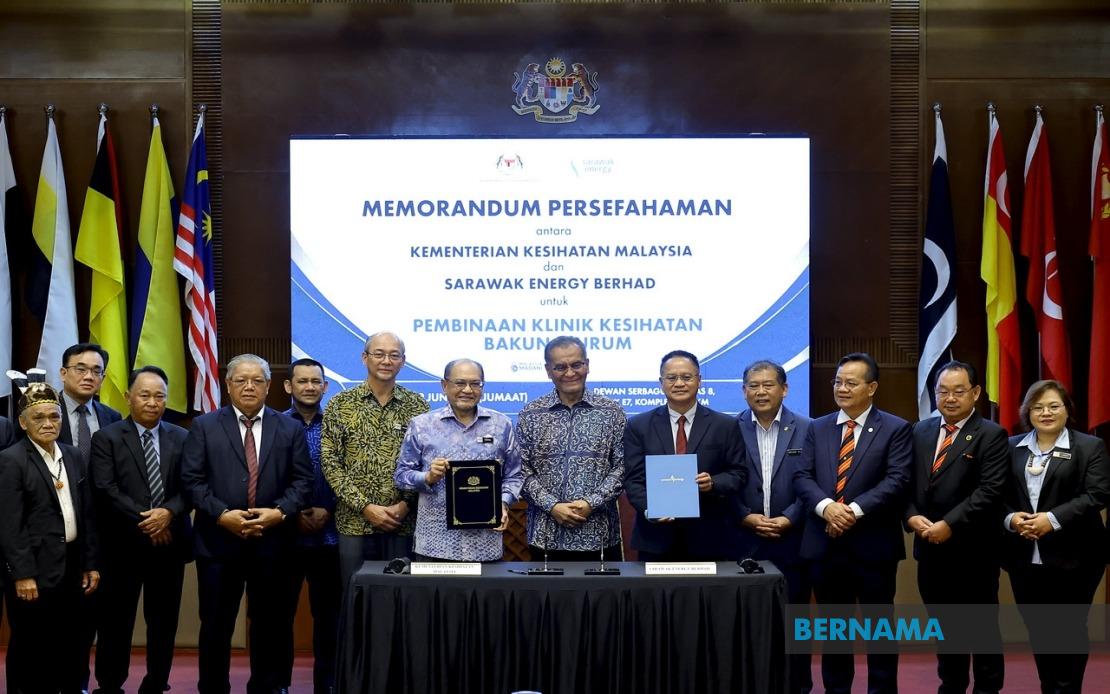
The Malaysian Health Ministry is moving into the final phase of resolving systemic obstacles that have constrained the development of medical specialists, Health Minister Datuk Seri Dr Dzulkefly Ahmad announced at a press conference in Putrajaya on June 19. The acknowledgement comes as the nation confronts a substantial shortage of approximately 11,000 specialists, a figures that spans both public and private healthcare institutions and has prompted growing concerns about whether the system can sustain demand from an increasingly health-conscious population.
Dzulkefly indicated that officials have pinpointed multiple bottlenecks within the ministry's regulatory and administrative frameworks that have impeded progress in cultivating specialist talent. He committed to dismantling these procedural barriers, stating that the resolution process has advanced sufficiently that officials anticipate breakthrough outcomes in the near term. While acknowledging the existence of bureaucratic constraints, the minister projected confidence that the ministry possesses both the strategy and capacity to overcome these challenges through coordinated effort.
The context for this initiative extends beyond administrative convenience. Malaysia's specialist shortage represents a critical vulnerability in a healthcare ecosystem already strained by rising chronic disease prevalence, an ageing demographic profile, and heightened public expectations for access to advanced medical services. The 11,000-specialist gap encompasses both government hospitals and licensed private facilities, suggesting that the deficit cuts across institutional boundaries and reflects systemic undersupply rather than sectoral misallocation. For Malaysian patients, particularly those in underserved regions, this shortage translates into longer waiting periods, delayed diagnoses, and occasionally, treatment deflection to neighbouring countries.
Dzulkefly positioned specialist workforce expansion as an inherently gradual undertaking that must proceed in lockstep with infrastructure development. This pragmatic stance acknowledges a fundamental reality within healthcare systems: deploying additional consultants without corresponding investment in facilities, equipment, and support staff generates inefficiencies and frustration rather than improved outcomes. The minister stressed that recruitment and training decisions are calibrated against existing infrastructure capacity and evolving healthcare priorities, ensuring that expansion remains sustainable and aligned with national health objectives.
To bridge the gap between current capacity and urgent demand, the ministry has implemented a cluster crisis management framework operating as a temporary solution whilst more durable structural reforms take root. This arrangement leverages collaborative relationships among hospitals within designated geographic clusters, alongside primary care clinics, to optimise resource deployment across the network. Personnel are redeployed and reorganised according to operational exigencies, allowing the system to respond dynamically to fluctuating demand without waiting for new specialists to complete lengthy training cycles.
The cluster approach represents a pragmatic acknowledgement that healthcare delivery cannot pause whilst long-term solutions mature. Training a medical specialist typically requires between four and seven years of postgraduate study and supervised practice, depending on the discipline. Rather than accept deteriorating service quality during this extended developmental period, the ministry is maximising the productivity of existing specialists through strategic redeployment and facilitating closer coordination between complementary institutions. This tactic mirrors approaches adopted across Southeast Asia, where resource constraints frequently necessitate creative operational solutions.
Dzulkefly emphasised that his ministry remains acutely conscious of occupational pressures bearing down on the medical workforce. Specialists working within congested public hospitals often carry caseloads exceeding international benchmarks, contributing to burnout, attrition, and declining morale. Rather than dismissing these concerns, the minister framed the cluster management system as a mechanism for distributing workload more equitably across the network, thereby providing some relief whilst structural improvements progress. This framing suggests an understanding that workforce sustainability depends not solely on hiring additional personnel but on creating working environments that retain experienced practitioners.
The specialist shortage has emerged as a persistent challenge for Malaysian healthcare policymakers over successive administrations. Unlike some bottlenecks that yield to regulatory tinkering, the specialist deficit requires sustained investment spanning years—in medical education, postgraduate training slots, salary competitiveness to deter brain drain, and infrastructure to accommodate new practitioners. The fact that bureaucratic constraints have accumulated sufficiently to warrant explicit ministerial attention suggests that systemic reform touches upon multiple ministries and perhaps reflects longstanding coordination gaps between health planning and facility development.
For Malaysian patients and healthcare consumers, the significance of this reform effort extends beyond administrative interest. The availability of specialist services shapes treatment trajectories and ultimately, health outcomes. Rural and semi-urban populations, already disadvantaged by geographic distance from tertiary care centres, would benefit substantially from accelerated specialist development. Similarly, patients requiring complex or rare expertise currently face uncertain access and may resort to costly private alternatives or cross-border medical tourism, patterns that perpetuate equity gaps.
The ministry's positioning of specialist expansion within a phased, infrastructure-aligned framework reflects mature understanding of healthcare system dynamics. However, observers will likely scrutinise whether the "final stages" of bureaucratic reform deliver concrete results within a defined timeline. Specialist training pathways involve multiple stakeholders—medical schools, hospital administrators, professional colleges, and workforce planners—whose interests do not always align. The success of the reform initiative will ultimately be measured not by press statements but by movement in three key metrics: the number of new specialist training positions activated annually, completion rates for trainees, and retention of newly qualified specialists within the public system.
Looking ahead, the Health Ministry faces the dual challenge of expanding specialist supply whilst maintaining quality of training and protecting service delivery during the transition period. The cluster crisis management framework appears designed to function as a stabilising mechanism, preventing further deterioration whilst longer-term solutions mature. Whether this interim arrangement proves sufficient will depend on demographic trends, disease patterns, and continued political commitment to healthcare infrastructure investment across electoral cycles. For a nation aspiring to high-income status, the resolution of specialist shortages represents both an economic imperative and a fundamental obligation to citizen welfare.
%22%2F%3E%3C%2Fpattern%3E%3C%2Fdefs%3E%3Crect%20width%3D%22100%25%22%20height%3D%22100%25%22%20fill%3D%22url(%23ph1zpo7g)%22%2F%3E%3Crect%20width%3D%22100%25%22%20height%3D%22100%25%22%20fill%3D%22url(%23ph1zpo7p)%22%2F%3E%3Ctext%20x%3D%2250%25%22%20y%3D%2250%25%22%20text-anchor%3D%22middle%22%20dominant-baseline%3D%22central%22%20fill%3D%22rgba(255%2C255%2C255%2C0.95)%22%20font-family%3D%22Georgia%2C%20'Times%20New%20Roman'%2C%20serif%22%20font-weight%3D%22700%22%20font-size%3D%22151%22%20letter-spacing%3D%22-0.02em%22%3ESingapore%3C%2Ftext%3E%3C%2Fsvg%3E)