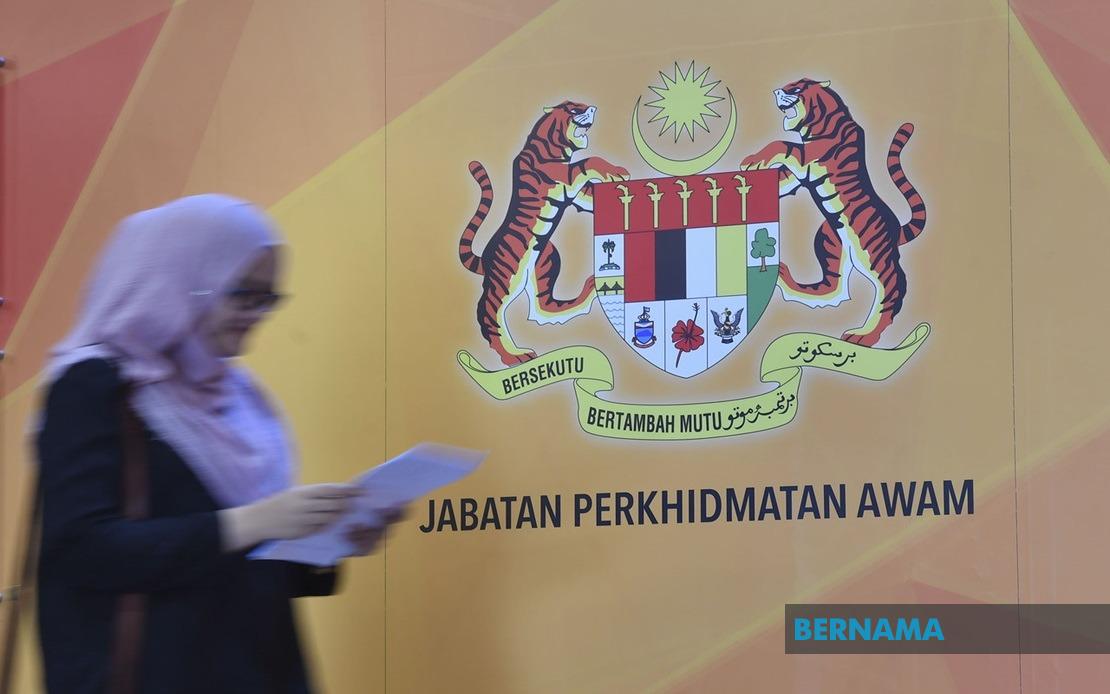
The Public Service Department (JPA) has announced a significant expansion of its scholarship offerings for the nation's top secondary school performers, making available 640 sponsorship slots to 2026 SPM graduates. This move underscores the government's broader strategy to nurture talent pipelines that can sustain Malaysia's economic growth and international standing in an increasingly competitive global landscape.
The scholarship scheme represents a multifaceted approach to talent development, encompassing four separate pathways designed to accommodate different academic profiles and career aspirations among graduating students. Each programme targets specific outcomes, from specialist training in critical fields to broader academic development across domestic and international borders. The diversity of offerings reflects recognition that Malaysia's future competitiveness depends on cultivating expertise across multiple sectors and ensuring equitable access to educational opportunity.
The National Sponsorship Programme provides the most selective pathway, with just 30 available slots reserved for the highest-achieving candidates. In contrast, the Special Programme for Japan, Korea, France and Germany allocates 140 positions, reflecting strategic partnerships with major developed economies and recognition of the value these nations offer in specialised fields. The Special Programme for Domestic SPM Graduates reserves 200 spots for students choosing Malaysian universities, acknowledging the quality and capacity of the country's higher education sector. The JPA-MARA Special Programme (PKJM) offers the largest allocation at 270 slots, indicating a priority focus on accessible pathways that combine JPA resources with MARA's traditional mandate to support vulnerable and disadvantaged populations.
Eligible candidates gain access to a genuinely global education market through these programmes. Study opportunities extend to established educational powerhouses including the United States, Australia, the United Kingdom and New Zealand, alongside strategically important partners Japan, South Korea, France and Germany. This geographic distribution allows beneficiaries to develop networks, language skills and professional experience in regions crucial to Malaysia's trade relationships, technology partnerships and diplomatic engagement. The inclusion of both Anglophone and non-Anglophone destinations recognises that Malaysia's future workforce requires multilingual and multicultural competencies.
The sponsorships specifically target fields deemed critical to national development priorities. Engineering, science and technology represent the largest focus areas, reflecting Malaysia's goals in manufacturing modernisation, digital transformation and biotechnology advancement. Social sciences scholarships address the reality that sustainable development requires expertise in economics, governance, international relations and public policy. This balanced portfolio approach acknowledges that technological progress without corresponding advances in social understanding and institutional capacity yields incomplete development.
A significant innovation accompanying the 2026 sponsorship round is the Academic Merit-Based Convertible Loan (PBUA) mechanism introduced by JPA in June 2025. Rather than outright grants, successful applicants receive funding structured as repayable loans that may be converted to grants contingent on maintaining strong academic performance. This approach creates mutual incentives: the government preserves fiscal discipline while recipients remain motivated to achieve academically rather than coasting through their studies. For Malaysian scholarship recipients studying abroad, particularly at expensive American or Australian institutions, loan conversion effectively functions as grant funding for high performers while protecting public resources from subsiding mediocre academic outcomes.
The scholarship announcement aligns with the MADANI Government's stated commitment to developing high-calibre human capital capable of advancing Malaysia's economic diversification and global integration. The government frames education sponsorship not as welfare provision but as strategic investment in human resources that will generate returns through enhanced economic productivity, technological innovation and international competitiveness. This framing appeals to both fiscal conservatives concerned with public spending efficiency and to aspirational families seeking advancement through education.
For Malaysian students, the sponsorship landscape presents unprecedented opportunity to access world-class education at minimal personal financial cost. Yet competition remains intense; 640 slots will be distributed among tens of thousands of SPM graduates across the country. Students from well-resourced schools with established university counselling programmes and international examination experience will likely dominate applications, potentially reinforcing existing educational inequalities. Rural students and those from less advantaged backgrounds face structural barriers in even knowing such opportunities exist or in crafting competitive applications.
Regional implications merit consideration as well. Malaysia's scholarship generosity toward students studying in Japan, South Korea and Germany represents a signal of deepening engagement with these economies. Graduates returning from these nations bring not merely technical expertise but also cultural familiarity and professional networks that facilitate future bilateral trade, investment and cooperation. For Southeast Asia more broadly, Malaysia's continued investment in overseas education suggests confidence in the region's stability and the government's ability to retain talented graduates who might otherwise emigrate permanently.
The results window for applicants runs from today at 10 am through June 22, providing students with rapid notification and planning horizons. This compressed timeline reflects administrative efficiency but also creates pressure on successful recipients to make rapid decisions regarding relocation, visa processing and final preparations. The online portal system enables simultaneous notification across all candidates, eliminating the possibility of informal advance leaks that historically advantaged well-connected applicants.
Longer-term success of the 2026 cohort will depend on post-graduation employment outcomes and whether recipients utilise their training to address identified national skill gaps. JPA's scholarship investments represent public funds that generate returns only if recipients subsequently apply their credentials to Malaysian development priorities rather than seeking permanent settlement abroad. Exit data from previous scholarship cohorts would help assess whether the programme achieves its stated objective of producing domestic talent or inadvertently funds brain drain to developed economies.