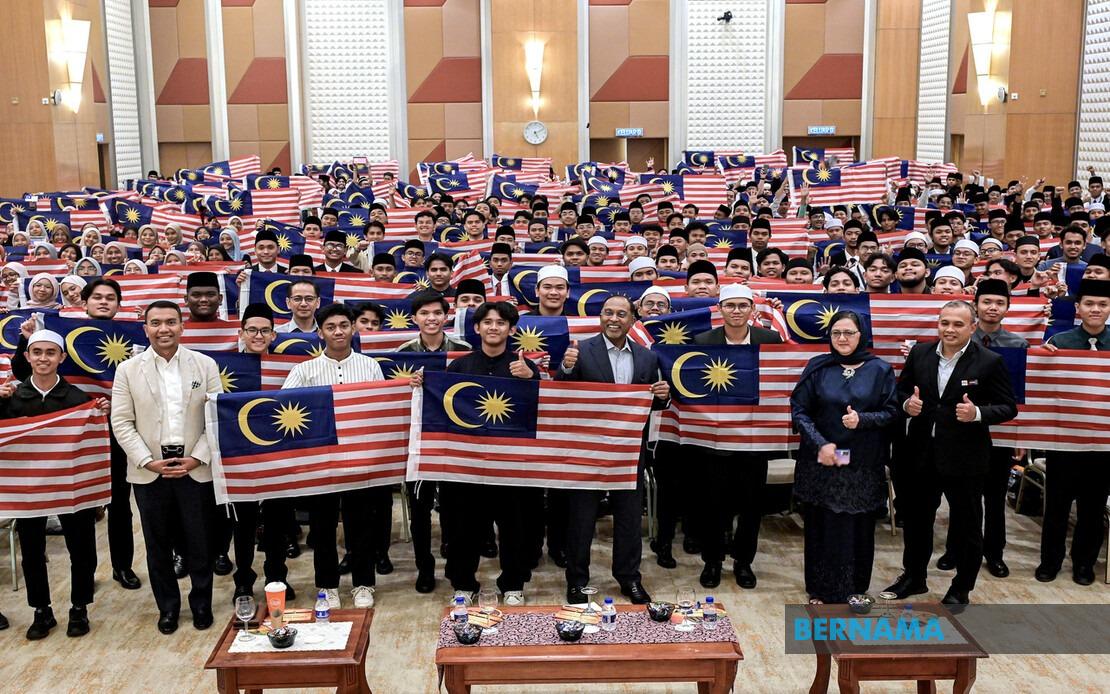
The Ministry of Higher Education has committed to sustaining heightened surveillance of Malaysian students throughout West Asian nations, emphasising close coordination with Wisma Putra as regional instability persists. Higher Education Minister Datuk Seri Dr Zambry Abd Kadir outlined the ministry's response to mounting security concerns, signalling that MOHE remains vigilant following the United States' advisory to its citizens regarding departure from the region. This declaration comes as Malaysia prepares to deploy hundreds of newly-admitted students to study across Egypt, Jordan and Morocco from September onwards.
Zambry's remarks underscore the delicate balancing act Malaysia must undertake in managing the welfare of its students abroad whilst navigating unpredictable geopolitical developments. He acknowledged that American foreign policy directions shift rapidly, presenting challenges for long-term planning by Malaysian authorities. The minister stressed that regardless of these shifting dynamics, Malaysia would implement comprehensive precautions to track and protect its nationals, particularly university-bound students scattered throughout the region. This stance reflects Kuala Lumpur's determination to safeguard its citizens whilst maintaining the broader educational partnerships that have become integral to Malaysia's higher education strategy.
Among the immediate developments requiring coordination is the departure of 456 Malaysian students scheduled to commence studies in Egypt, Jordan and Morocco on September 1. These students have participated in the International Charisma Programme, a joint initiative between MOHE and the Malaysia Nationhood Academy designed to prepare departing cohorts for their academic journeys abroad. The programme provides departing students with comprehensive briefings, direct engagement with ministry officials, and practical guidance on maintaining contact with Malaysian diplomatic and educational representatives overseas. By funnelling all students through this structured preparation mechanism, MOHE aims to establish early detection systems should any crises emerge threatening student safety.
The scale of Malaysia's educational presence in West Asia is far more substantial than many citizens realise. Egypt alone hosts thousands of Malaysian students, whilst Jordan accommodates between 1,000 and 2,000 Malaysian learners. Morocco, though proportionally smaller, is experiencing rising enrolment from Malaysia. These figures highlight the region's continued appeal as a study destination for Malaysians, despite periodic security concerns. Students pursuing studies there are not limited to religious disciplines; many enrol in medicine, dentistry, pharmacy and other professional programmes essential to Malaysia's long-term human capital development.
This geographic dispersal of students across multiple countries creates logistical and coordination challenges for MOHE. The ministry maintains Education Malaysia offices in both Egypt and Jordan, serving as operational hubs for supporting students and gathering real-time intelligence on local conditions. Morocco, lacking a dedicated Education Malaysia presence, falls under the administrative purview of Egypt-based operations. This hub-and-spoke arrangement allows MOHE to pool resources whilst maintaining coverage across key study destinations. Zambry emphasised that all these offices remain fully operational and prepared to implement emergency protocols should circumstances deteriorate.
As of now, MOHE has received no reports suggesting that current West Asian tensions have directly impacted Malaysian students already present in Egypt, Jordan or Morocco. However, the ministry has signalled readiness to activate contingency procedures immediately upon receiving credible threat assessments. This reactive stance balances the desire to avoid unnecessary alarm with the imperative to respond swiftly if genuine dangers emerge. The absence of current disruptions reflects both the relatively stable conditions in these three nations and Malaysia's established channels for gathering intelligence through its diplomatic network.
Zambry's emphasis on coordinating through Wisma Putra rather than acting unilaterally reflects Malaysia's diplomatic protocols regarding overseas operations. The Foreign Ministry maintains direct relationships with host governments and possesses sophisticated intelligence-gathering capabilities that MOHE cannot replicate independently. By anchoring its response to external guidance from diplomatic professionals, MOHE acknowledges the limits of its expertise in geopolitical assessment whilst ensuring that Malaysian student safety decisions align with broader national foreign policy objectives. This interdepartmental cooperation has become standard practice for managing Malaysian nationals abroad.
Beyond immediate safety concerns, Zambry articulated a strategic perspective on Malaysian students abroad as national assets deserving investment and protection. He encouraged departing cohorts to view their educational sojourns not merely as academic qualifications but as character-building experiences grounded in Islamic concepts of ta'lim, tarbiah and ta'dib—encompassing knowledge acquisition, personal development and ethical formation respectively. This holistic framing positions overseas education within Malaysia's broader vision of developing globally-engaged citizens capable of contributing meaningfully upon their return home.
The international standing of Malaysia's higher education system, hosting students from approximately 180 countries, underscores the reciprocal nature of academic exchange. Whilst Malaysian students venture overseas, foreign learners increasingly recognise Malaysian institutions as credible alternatives to traditional Western providers. This diversified inflow demonstrates that Malaysia's educational ecosystem has transcended dependency on any single source market, building sustainable competitive advantages through quality recognition and institutional reputation. Such developments strengthen Malaysia's regional positioning and soft power influence.
For Malaysian policymakers, the current focus on West Asian student safety reflects broader awareness that overseas education involves inherent risks requiring active management. As the region remains subject to geopolitical volatility, MOHE's commitment to sustained monitoring, coordinated intelligence-sharing with Wisma Putra, and pre-departure preparation of students represents a comprehensive strategy balancing educational opportunity with duty-of-care obligations. The coming months will test whether these measures prove sufficient to maintain the educational pathways Malaysian students depend upon.

