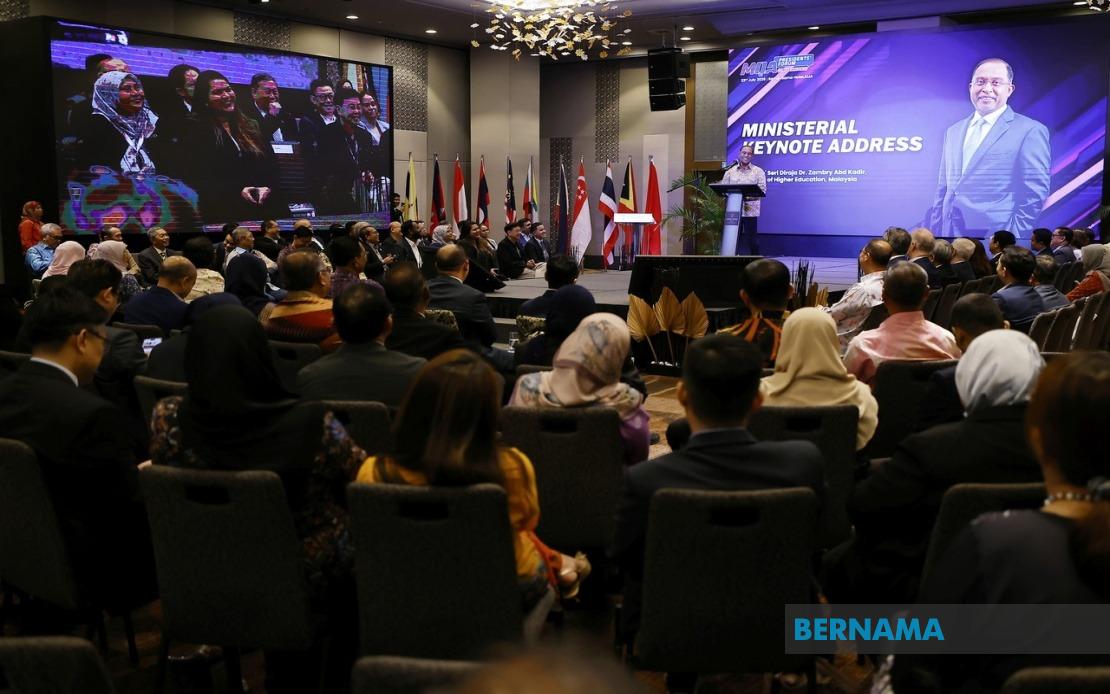
Malaysia's polytechnic system is grappling with a housing crunch brought on by unexpectedly strong student demand, prompting the Ministry of Higher Education to initiate urgent infrastructure upgrades across affected institutions. Higher Education Minister Datuk Seri Dr Zambry Abd Kadir revealed the accommodation difficulties whilst addressing the 2026 Malaysian Qualifications Agency Presidents' Forum in Sepang, acknowledging that several polytechnics lack sufficient hostel space to accommodate their ballooning student populations.
The surge in polytechnic applications represents a genuine policy success, albeit one that has caught the education system somewhat off guard. The government's push to redirect more Sijil Pelajaran Malaysia (SPM) certificate holders toward technical and vocational education and training (TVET) pathways has yielded dramatic results. Enrolment figures demonstrate the scale of this shift: 30,488 new students registered for the first intake of the 2026/2027 academic session in June, translating to an achievement rate exceeding 125 per cent of initial capacity projections. This performance underscores growing recognition among school leavers that TVET qualifications offer viable career alternatives to traditional university pathways.
Yet the housing shortage exposes infrastructure gaps within Malaysia's polytechnic network. Many institutions operate hostel buildings that have aged considerably, their maintenance deferred through years of stable or declining enrolment. Now facing sudden demographic pressure, these facilities have become inadequate both in terms of bed capacity and physical condition. Dr Zambry acknowledged that older hostel buildings at several polytechnics require immediate attention, with some structures in sufficiently poor condition that they pose concerns for student welfare. This situation is particularly acute at institutions that expanded enrolment without corresponding investment in residential infrastructure.
The ministry has shifted into remedial mode, with Dr Zambry confirming that the Higher Education Ministry (MOHE) is actively surveying polytechnic hostels to identify priority repair projects. Officials have already submitted formal requests to the government seeking budget allocation for critical maintenance works at multiple polytechnics identified as most urgently requiring intervention. The timeline for these repairs remains subject to government approval and budgetary processes, though Dr Zambry expressed confidence that solutions would materialise, noting "Insya-Allah, we will address the issue."
Responsibility for tactical implementation has been delegated to the Polytechnic and Community College Education Department. Dr Zambry instructed the department's director-general Dr Shamsuri Abdullah to take immediate steps addressing student placement and related logistical challenges. This suggests the ministry recognises that hostel repairs alone will not solve the problem in the short term; interim solutions are needed to accommodate students during the construction and renovation period. These might include temporary housing arrangements, staggered intake schedules, or partnerships with private accommodation providers near polytechnic campuses.
From a policy perspective, the accommodation crisis presents both challenge and opportunity. The underlying cause—unprecedented demand for TVET education—validates the government's strategy to promote skills-based qualifications. Malaysia's economic transition toward higher value manufacturing, advanced services, and technology sectors creates genuine demand for technically trained workforce. Polytechnics and community colleges represent efficient pathways to this outcome, offering shorter, more affordable alternatives to university degrees whilst providing industry-relevant skills. The surge in applications suggests this message is resonating with school leavers and their families.
However, the infrastructure shortfall highlights systemic planning gaps. Malaysia's polytechnic sector was not designed to accommodate this volume of students simultaneously. Hostel facilities that sufficed for previous intake levels have become inadequate, and improving them requires capital investment that should have begun years earlier. This pattern—where policy success outpaces infrastructure capacity—recurs frequently in Malaysia's education system and suggests need for better demand forecasting and forward planning in higher education investment.
The regional context matters here. Malaysia competes with neighbouring countries for technical talent. Thailand, Indonesia, and Vietnam all operate expanding TVET systems. If Malaysian polytechnics cannot offer basic residential facilities in reasonable condition, they risk losing prospective students to better-equipped competitors. International students considering Malaysia similarly factor in campus facilities when making enrolment decisions. Housing quality thus carries implications beyond domestic equity concerns; it affects Malaysia's attractiveness as an education destination within Southeast Asia.
The financial dimension is significant too. Students from rural areas or lower-income families depend on affordable on-campus accommodation to pursue polytechnic studies. Inadequate hostel facilities effectively exclude such students from full participation in campus life and may force some to abandon technical education entirely. Since Malaysia's TVET expansion explicitly aims to improve social mobility and provide pathways for disadvantaged youth, failing to provide adequate housing undermines this core objective. The accommodation issue thus transcends physical infrastructure—it touches on equity and opportunity.
Looking forward, MOHE faces a dual mandate: executing repairs at existing facilities whilst simultaneously planning hostel capacity expansions at polytechnics expected to receive sustained high demand. The 125 per cent application achievement suggests this level of demand may persist, requiring permanent increases in residential capacity rather than temporary fixes. Strategic decisions about which polytechnics to prioritise and how aggressively to expand accommodation will shape the sector's trajectory through the coming decade.
Dr Zambry's public acknowledgement of the issue signals government awareness and commitment to resolution. The allocation of responsibility to specific officials creates accountability mechanisms. Yet the practical challenge remains substantial—coordinating repairs across multiple institutions, securing adequate budgets, managing student placements during construction, and ensuring quality standards all require sustained ministerial attention and effective inter-agency coordination. The coming months will reveal whether policy intention translates into timely, effective action.

