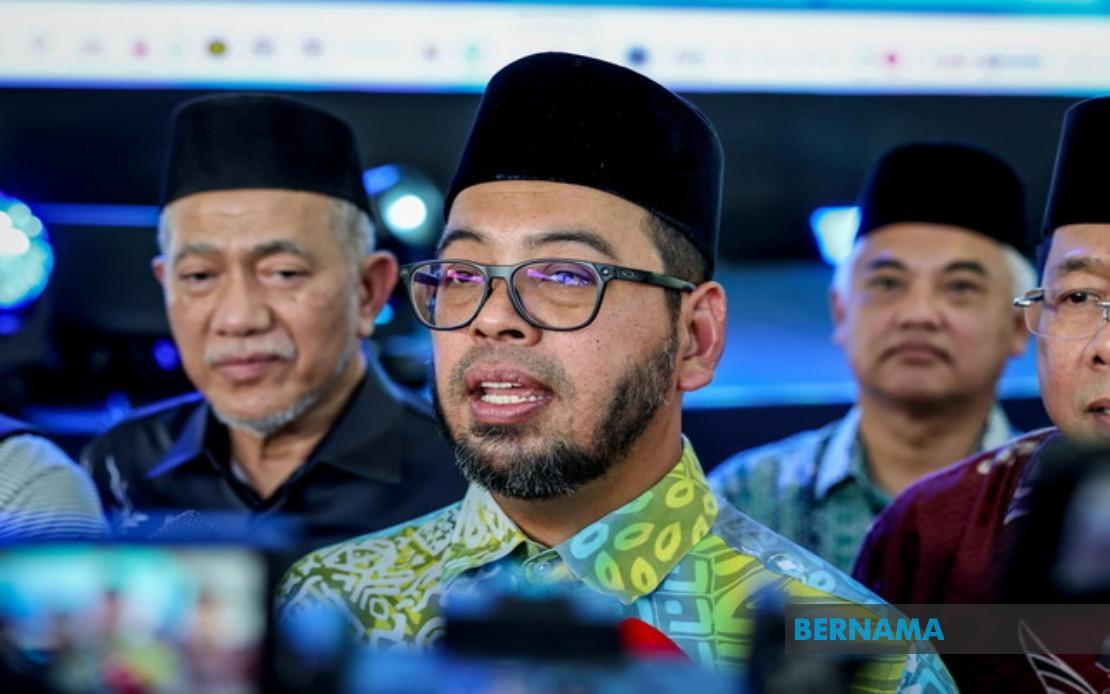
Malaysia has established itself among the world's most respected nations in the management of Islamic affairs, according to Minister in the Prime Minister's Department (Religious Affairs) Dr Zulkifli Hasan, who highlighted the country's growing international profile in religious governance and institutional frameworks.
Speaking at the opening of the Northern Zone MADANI Ulama and Umara Multaqa at Masjid Timah, Permatang Pauh in Bukit Mertajam on July 5, Dr Zulkifli Hasan emphasised that Malaysia's standing is underpinned by concrete achievements across multiple sectors, supported by empirical evidence and assessments from international scholars and observers. The minister noted that during his travels abroad, Malaysia's approach to Islamic affairs management consistently draws admiration and study from other nations seeking to strengthen their own religious institutions and policies.
This international recognition carries particular significance for Malaysia's broader narrative about religious harmony and institutional effectiveness. The global acknowledgment of Malaysia's Islamic affairs management directly counters domestic narratives suggesting that Islam faces marginalisation or systemic threat within the country. By positioning Malaysia as a global leader rather than a nation struggling with religious challenges, the government presents a markedly different picture to international audiences and domestic stakeholders alike.
One of Malaysia's most celebrated achievements lies in its halal certification system, administered by the Department of Islamic Development Malaysia (JAKIM). The system has earned recognition as among the world's most rigorous and credible, providing assurance to global consumers and producers of food, pharmaceuticals, and cosmetics. This distinction has positioned Malaysia as a trusted standard-bearer in an increasingly valuable global market, creating economic opportunities while simultaneously reinforcing the country's religious authority and expertise.
The country's Islamic financial sector demonstrates equally impressive international standing, holding the position of global leader for 11 consecutive years. Malaysia's development of Shariah-compliant financial products, banking infrastructure, and regulatory frameworks has created a robust ecosystem attracting international investors and establishing Kuala Lumpur as a centre for Islamic finance innovation. This leadership extends beyond domestic economic benefits, positioning Malaysia as an intellectual and practical leader in reconciling modern financial systems with Islamic principles.
Malaysia's management of the annual hajj pilgrimage through Lembaga Tabung Haji has also garnered repeated international recognition. The institution's logistical coordination, financial management, and pastoral support for Malaysian pilgrims have set benchmarks that other Muslim-majority nations monitor and study, further cementing Malaysia's reputation for institutional excellence in religious affairs.
The government is simultaneously investing in strengthening Islamic education through multiple initiatives aimed at ensuring contemporary relevance and practical applicability. The KAFA 2.0 curriculum initiative represents an effort to modernise Kelas Al-Quran dan Fardu Ain programmes, placing greater emphasis on how Islamic teachings apply to contemporary life rather than limiting focus to traditional memorisation and recitation. This approach reflects evolving educational philosophies that seek to produce graduates equipped not merely with religious knowledge but with the critical thinking and contextual understanding necessary for modern society.
Malaysia's tahfiz ecosystem illustrates similarly comprehensive institutional development. The establishment of the National Tahfiz Council, National Tahfiz Policy, National Tahfiz Standard, and Malaysia Tahfiz Certificate represents a deliberate effort to systematise and professionalise Quranic memorisation programmes. By creating pathways enabling tahfiz graduates to pursue professional, technical, and higher education, the government signals commitment to transforming religious scholarship into concrete professional contribution to national development.
Support for Islamic educational institutions extends to financial assistance distributed through philanthropic channels. Yayasan Takwa's recent contribution of RM280,000 to 28 mosques in Penang, with each receiving RM10,000, along with similar allocations to selected religious schools, demonstrates how formal and informal funding mechanisms work to strengthen the institutional fabric supporting Islamic affairs across the country. These contributions, though modest individually, collectively sustain the diverse institutions underpinning Malaysia's religious infrastructure.
The minister's characterisation of Malaysia's international standing reflects broader governmental emphasis on positioning the country as a custodian of Islamic values and institutional best practice. This framing serves multiple domestic and international purposes: it reinforces the legitimacy of Malaysian approaches to religious governance, bolsters national pride in institutional achievement, and provides diplomatic soft power through demonstrated expertise in managing religious affairs successfully within a diverse, multi-faith society.
For Southeast Asian nations navigating similar challenges of religious management and institutional development, Malaysia's trajectory offers both practical models and intellectual frameworks worth studying. The country's experience suggests that systematic institutional investment, rigorous standard-setting, and integration of religious scholarship with contemporary professional development can generate both local benefits and international credibility.
The government's emphasis on these achievements also responds to domestic audiences concerned about religious marginalisation or institutional erosion. By presenting empirical evidence of Malaysia's global leadership position, the narrative works to reassure stakeholders that Islamic affairs remain robustly supported by state institutions and increasingly recognised by the international community, contradicting alternative narratives of religious decline or compromise.

