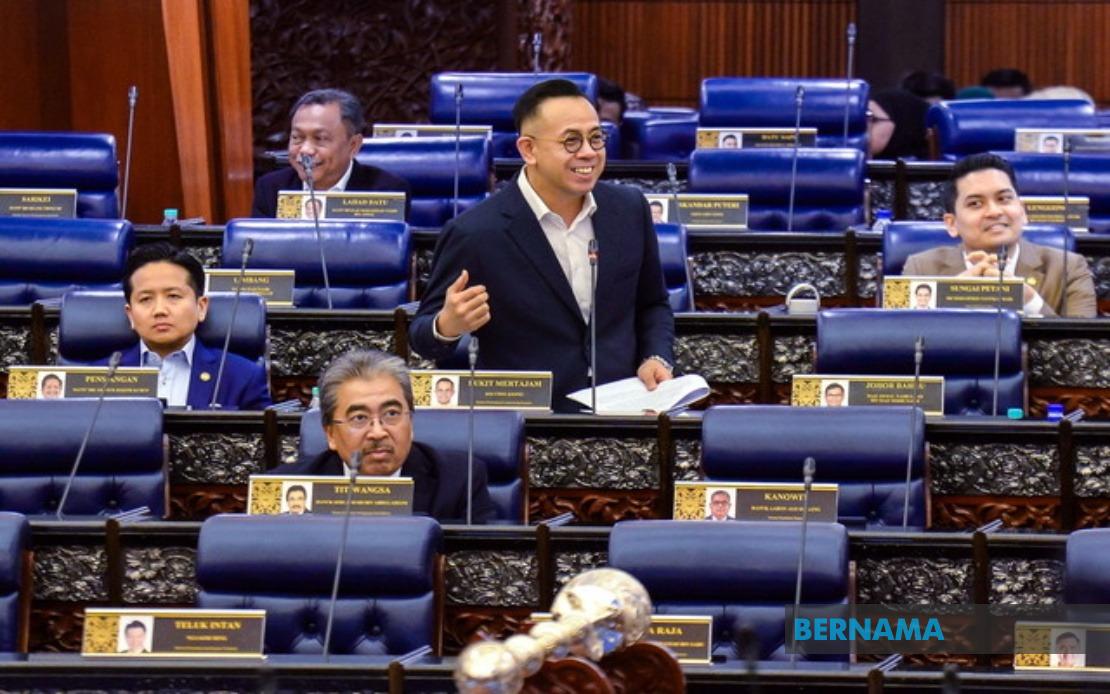
Malaysia's push to develop its Bumiputera entrepreneurial ecosystem has intensified with substantial financial commitment, as the Ministry of Entrepreneur and Cooperative Development (KUSKOP) has channelled nearly RM3 billion into targeted empowerment programmes between 2023 and 2025. Minister Steven Sim Chee Keong outlined the investment strategy during parliamentary debate, emphasising that the ministry gauges programme success not merely through spending figures but through concrete outcomes experienced by participating business owners across the country.
The ministry measures effectiveness using tangible performance indicators that reflect real economic impact. Among the key metrics tracked are an average sales increase of at least 20 per cent among programme participants and the successful expansion of 150 companies that have grown their operational capacity. These benchmarks provide Parliament and taxpayers with clear visibility into how public funds translate into business growth, moving away from traditional input-focused evaluation toward outcomes that matter to entrepreneurs themselves.
During the first five months of 2025, KUSKOP approved financing totalling RM5 billion, reaching approximately 180,000 entrepreneurs across various ethnic groups and business sectors nationwide. This broader financing approach reflects a strategic shift toward inclusive economic development, though targeted Bumiputera programmes remain a priority. The expanded reach suggests the ministry recognises that strengthening Malaysia's entrepreneurial base requires supporting diverse business communities while maintaining affirmative action provisions for designated groups.
For the specific period spanning 2025 through May 2026, KUSKOP-affiliated agencies have approved financing of RM1.407 billion exclusively for Bumiputera entrepreneurs, benefiting more than 53,000 individuals. Within this allocation, over 11,469 Bumiputera youths accessed support packages totalling more than RM251 million, indicating a deliberate focus on developing the next generation of business leaders. Youth engagement has emerged as critical to long-term entrepreneurial sustainability, addressing concerns that experience gaps and limited capital historically constrain younger entrepreneurs from establishing viable enterprises.
Beyond financing, KUSKOP is advancing halal industry development as a competitive advantage for Malaysian businesses seeking regional and international market access. The ministry implements programmes helping entrepreneurs obtain halal certification, a critical requirement for expanding distribution across Southeast Asian markets where Muslim-majority populations represent significant consumer bases. For Malaysian Bumiputera entrepreneurs particularly, halal certification opens doors to lucrative Middle Eastern and Southeast Asian markets where certification carries substantial commercial value and cultural relevance.
Parliamentary discussion also addressed systemic coordination challenges affecting micro, small and medium enterprises seeking government support. Datuk Mas Ermieyati Samsudin raised concerns about fragmented assistance mechanisms across multiple agencies, prompting Sim to detail KUSKOP's response. The ministry has designated SME Corp Malaysia as the central coordinating body, transforming it into a single point of contact for entrepreneurs navigating financing, grants, and institutional support options.
The coordination framework addresses a persistent pain point in Malaysia's business development infrastructure. Rather than requiring entrepreneurs to contact numerous agencies separately, SME Corp functions as an integrated information hub, channelling applicants to appropriate support providers based on their specific needs and business characteristics. This centralisation theoretically reduces administrative burden and accelerates access to resources, though effectiveness depends on robust backend integration and regular operator training across participating agencies.
KUSKOP has additionally developed a digital portal listing support programmes from over 60 government agencies, creating a searchable reference tool for entrepreneurs seeking specific assistance types. This technological infrastructure responds to calls for transparency and accessibility, enabling business owners to identify relevant schemes without extensive bureaucratic navigation. For digitally sophisticated entrepreneurs, particularly younger business leaders accustomed to online research, such platforms significantly reduce information asymmetry and programme awareness gaps.
The investment trajectory reflects broader Malaysian policy recognition that entrepreneurial development drives employment, innovation, and economic resilience. Bumiputera entrepreneur support specifically connects to constitutional provisions and affirmative action frameworks while simultaneously addressing legitimate concerns about wealth concentration and economic participation gaps. The measured outcomes approach signals ministerial accountability, providing stakeholders with evidence that substantial public expenditure generates corresponding private sector benefits.
Regional context matters here. As Southeast Asian economies compete for entrepreneurial talent and investment, Malaysia's focused support programmes position the country competitively. Neighbouring countries employ similar strategies, but Malaysia's established institutional infrastructure through KUSKOP and affiliated agencies, combined with constitutional Bumiputera provisions, creates unique support architecture. Success in developing thriving Bumiputera-led enterprises enhances Malaysia's reputation as business-friendly while demonstrating that affirmative action and economic competitiveness need not conflict.
However, programme effectiveness ultimately hinges on quality implementation and ongoing stakeholder feedback. Measured outcomes like 20 per cent sales growth require consistent monitoring and course correction. Parliamentary accountability mechanisms, demonstrated through Dewan Rakyat questioning, provide oversight but require continued scrutiny. As KUSKOP deploys RM5 billion annually, maintaining transparency regarding fund allocation, programme accessibility across geographic regions, and comparative success rates across business categories remains essential.
The halal industry focus particularly warrants attention as Malaysia positions itself as a global halal hub. Supporting Bumiputera entrepreneurs in this sector creates employment, generates export revenues, and reinforces Malaysia's Islamic credentials internationally. Success here could establish templates for other value-added industries where Bumiputera participation remains underdeveloped, from technology startups to advanced manufacturing.

