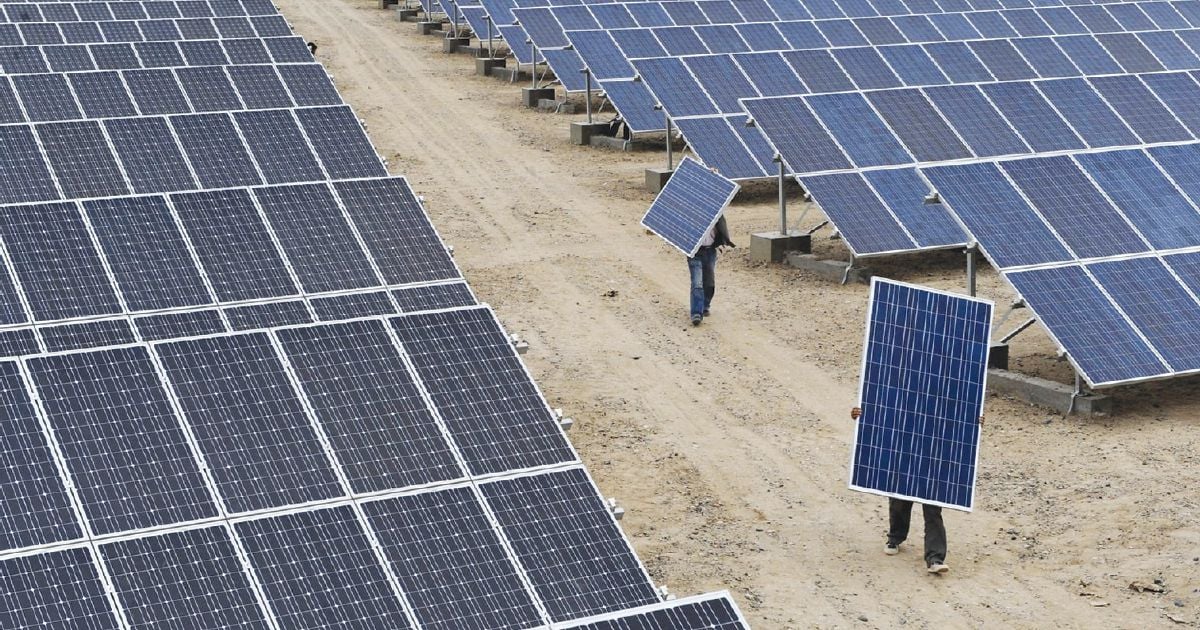
Malaysia's electricity infrastructure is set for sustained expansion over the coming years, according to Hong Leong Investment Bank Bhd, which sees structural advantages favouring publicly listed operators with direct exposure to the national grid. The investment bank's optimistic assessment reflects growing confidence that the sector will benefit from a multi-year spending cycle that shows no signs of slowing, positioning the industry as an attractive investment destination for those seeking exposure to Malaysia's energy transition and infrastructure development.
The positive outlook comes amid heightened focus on Malaysia's energy security and the nation's broader objectives around grid modernisation and reliability. As the country navigates the complexities of transitioning towards a more diversified energy mix while maintaining stable power supply, significant capital deployment across generation, transmission, and distribution infrastructure appears inevitable. This spending trajectory creates a structural tailwind that extends beyond individual economic cycles, offering investors a degree of predictability in returns from grid-exposed assets.
For listed utilities and power companies, the investment bank's assessment signals that competitive advantages are being cemented through their strategic positioning within the grid ecosystem. Companies with direct grid exposure benefit from regulated revenue models and long-term contracting arrangements that insulate them from market volatility. These characteristics have made such firms increasingly attractive to institutional investors seeking stability and inflation-hedged returns, particularly as broader economic uncertainties persist.
The timing of this optimism is noteworthy given Malaysia's demographic growth and ongoing industrial development. Electrification rates may be high in urban centres, but rural areas and expanding industrial parks continue to require infrastructure investment. Additionally, the integration of renewable energy sources into the grid—a key component of Malaysia's sustainability commitments—demands substantial expenditure on transmission infrastructure, energy storage systems, and grid management technologies. These requirements ensure that capital intensity in the sector remains elevated for the foreseeable future.
From a Southeast Asian perspective, Malaysia's power sector strength carries broader regional implications. As the region's third-largest economy, Malaysia's infrastructure investment patterns influence investor sentiment across comparable emerging markets. A positive outlook in Malaysian power utilities can attract capital flows that benefit similar companies throughout the region, while also signalling confidence in the durability of energy demand growth in developing Asian economies.
The multi-year capex cycle identified by Hong Leong Investment Bank reflects both cyclical and structural factors. While demand growth from population expansion and economic development drives baseline requirements, structural factors—including ageing infrastructure replacement cycles, interconnection improvements between states, and technological upgrades—ensure sustained spending even during economic slowdowns. This structural foundation differentiates the current cycle from previous boom-and-bust patterns in other sectors.
Regulated utility models prevalent in Malaysia's power sector provide additional support for the bullish outlook. When capex is recovered through regulatory mechanisms rather than market pricing, companies gain visibility into cash flows and returns. This transparency attracts long-term institutional capital, including pension funds and insurance companies seeking yield-generating infrastructure assets. The flow of such capital, in turn, supports valuations and access to financing for further investment.
The investment bank's perspective also reflects confidence in Malaysia's regulatory environment and government commitment to energy security. Political stability and consistent policy frameworks have historically attracted infrastructure investors to Malaysia, contrasting with some regional peers facing policy uncertainty. Continued government support for grid investment—whether through direct capital contributions or through regulated tariff structures that enable private operator investment—remains essential to sustaining the positive sector outlook.
Challenge areas do exist, however. Managing inflation in construction costs and securing skilled labour for large-scale infrastructure projects present ongoing operational hurdles. Supply chain disruptions, while improved from their 2021–2022 peaks, continue to create timing uncertainties in project execution. Nevertheless, the sheer scale of required investment suggests these obstacles, while real, are unlikely to derail the fundamental multi-year expansion trajectory.
For Malaysian investors and regional funds with exposure to domestic infrastructure, the Hong Leong Investment Bank assessment provides reassurance that the power sector offers durable growth prospects. The combination of structural demand drivers, regulated revenue models, and significant capex requirements creates an environment where grid-exposed players can deliver consistent returns to shareholders. This positioning stands in contrast to cyclical sectors subject to commodity price swings or demand volatility.
Looking ahead, the sustainability of this positive outlook will depend partly on execution—whether projects stay on schedule and within budget, and whether the regulatory environment continues supporting investment-friendly tariff structures. It will also depend on the trajectory of Malaysia's broader economic growth and industrial output. Should these factors remain supportive, Malaysia's power infrastructure sector appears well-positioned to deliver the returns that Hong Leong Investment Bank envisions, benefiting both the nation's energy security and investors seeking exposure to this essential sector.

