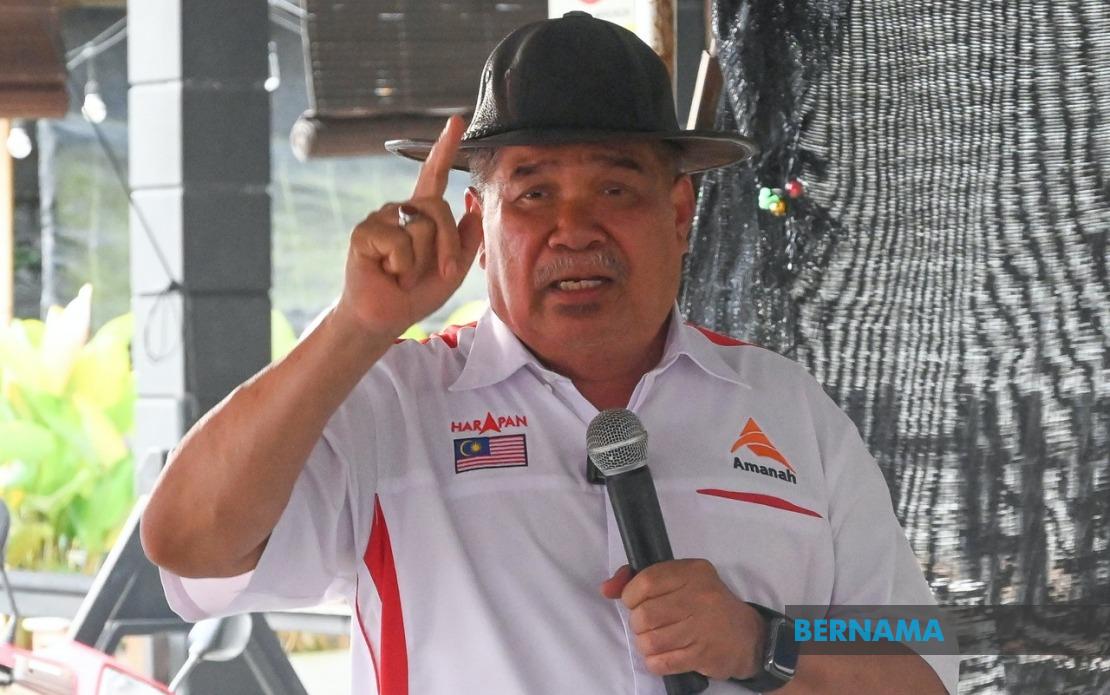
Negotiations between Malaysia and Thailand over the contentious shrimp import restrictions are entering their final phase, with Agriculture and Food Security Minister Datuk Seri Mohamad Sabu indicating that a settlement could materialize within the next fortnight. Speaking in Kota Bharu following his attendance at the closing ceremony of the Road to MAHA 2026 East Coast Zone programme, the minister projected a positive trajectory for the ongoing discussions, suggesting that both nations are moving toward consensus on the matter.
The crux of the dispute centres on Malaysia's June 1 import ban affecting five commercially significant shrimp species sourced from Thailand. The suspended varieties include brown tiger shrimp (Penaeus esculentus), banana shrimp (Fenneropenaeus merguiensis), white shrimp (Penaeus vannamei), tiger shrimp (Penaeus monodon), and blue shrimp (Penaeus stylirostris). The moratorium represents a measured enforcement of stricter biosecurity and quality standards for aquaculture imports, reflecting growing regional concerns over the safety and traceability of fishery products crossing borders.
This trade friction emerged as Malaysia tightened its regulatory oversight of neighbouring producers, prompted by documented health and safety concerns within global shrimp farming networks. Thailand, being Southeast Asia's largest shrimp exporter and a major supplier to Malaysian distributors and processors, has substantial commercial interests at stake. The temporary nature of the restriction signals that both governments view this as a negotiable disagreement rather than a permanent rupture, with technical discussions likely focusing on certification standards, testing protocols, and assurance mechanisms that could satisfy Malaysian authorities while preserving Thai export opportunities.
Beyond the immediate shrimp dispute, Mohamad articulated a broader strategic vision for Malaysia's agricultural trajectory centred on the upcoming MAHA 2026 exhibition scheduled to run from August 28 to September 6. The showcase will pivot heavily toward innovation and modernisation across the sector, establishing platforms for knowledge transfer and technological advancement. The minister emphasised that the event's scope has expanded significantly, now drawing participation from diverse geographies spanning Africa, Central Asia, alongside established agricultural powers including China, Britain, Japan, and the United States.
The international dimension of MAHA 2026 reflects Malaysia's recognition that agricultural competitiveness increasingly depends on access to cutting-edge technologies and methodologies. By convening stakeholders from multiple continents, the exhibition creates opportunities for Malaysian farmers and agribusinesses to benchmark practices, source innovations, and establish partnerships that enhance productivity and sustainability. This outward-looking approach signals a departure from inward-focused agricultural policies, acknowledging that regional and global interconnectedness shapes domestic food systems.
Food security has ascended the priority ladder for policymakers worldwide, yet Malaysia faces particular vulnerabilities given its pronounced reliance on imported provisions. The country imports substantial quantities of staple foods and agricultural commodities, creating exposure to supply chain disruptions, price volatility, and geopolitical uncertainties. Mohamad's remarks underscore the government's determination to strengthen domestic production capacity and reduce import dependency through technological upgrading and farming modernisation, positioning MAHA 2026 as a crucial catalyst for this transformation.
The Road to MAHA 2026 promotional campaign concluded in Kota Bharu, marking the final stop after sequential programmes traversed Kedah, Selangor, Melaka, and Labuan. This nationwide roadshow architecture sought to build momentum and stakeholder engagement across diverse geographic and demographic constituencies, preparing the agricultural community and public for the main exhibition. The comprehensive approach reflects recognition that farmer adoption of new technologies and practices requires sustained education, demonstration, and community engagement rather than top-down mandates.
Projections for MAHA 2026 indicate ambitious targets: approximately five million visitors, RM58 million in direct sales, and RM8 billion in prospective investment commitments. These figures suggest that organisers view the exhibition as both a commercial event and an instrument of policy implementation, leveraging the gathering to catalyse sectoral transformation. The anticipated visitor volume mirrors attendance recorded at MAHA 2024, indicating sustained public interest in agricultural exhibitions despite competing entertainment options, while the investment target signals confidence that demonstrated technologies will generate investor appetite.
The convergence of the National Day celebrations during the MAHA 2026 timeframe is expected to amplify visitor numbers, tapping into patriotic sentiment and extended holiday periods to draw larger crowds. This strategic timing reflects sophisticated event planning that harnesses multiple motivations to maximise participation. Mohamad expressed confidence in achieving these targets, a stance anchored in the success of previous editions and the demonstrable public enthusiasm for agricultural exhibitions that combine entertainment, education, and commerce.
For Malaysian food producers, distributors, and consumers, the resolution of the Thai shrimp dispute carries immediate implications for product availability and pricing, while MAHA 2026 offers longer-term dividends through sector modernisation. The dual developments—regulatory enforcement coupled with innovation promotion—sketch Malaysia's evolving approach to agricultural governance: establishing high standards while equipping domestic producers with tools to meet them. This balancing act will determine whether Malaysia's food security improves or whether dependency on imports deepens during the coming years.

